alumni
Former members of the lab — students, postdocs, and staff — and where they are now.
Every former member — students, postdocs, and staff — helped build this lab. Today they carry that work into universities, hospitals, and industry around the world.
Behind every thesis is a person and a story. Click any card to revisit their work.
alumni
Lara Highamshe/her
Project Officer
- Professional services 2025 – 2026
- Professional services
I'm naturally curious, creative, and enjoy working with people just as much as I enjoy a well-organised spreadsheet. Outside work, I love live music, pub quizzes, exploring the countryside, and cuddling my cats.
I am a Project Officer supporting the coordination and day-to-day delivery of the group's projects and organisational activities. I manage communications, organise events and meetings, coordinate timelines and administrative processes, and act as a link between different teams across the University.
Haoran Dou
Research Associate, University of Manchester, UK
- Doctoral students 2020 – 2025
- Postdoctoral fellows 2024 – 2026
- Agentic Digital Twinning
- In Silico Trials & VVUQ
INTJ
Medical Image Analysis, Generative Model, Digital Twins and Virtual Patients Modelling. During his PhD in the group, he leveraged generative deep learning to build virtual cardiac populations, creating synthetic patients that power more powerful and ethical in-silico trials.
Thesis
Yidan Xuehe/him
Group LeaderBHF/UK CEiRSI Transition Fellow
- Postdoctoral fellows 2024 – 2026
- Faculty 2026 – present
- Physiology & Disease Modelling
- In Silico Trials & VVUQ
Outside of work, I enjoy reading, hiking, and listening to classical music. I also like playing video games and bridge with friends.
I apply mathematical and computational simulations to virtually assess medical devices before they reach patients. My current work focuses on the deployment of transcatheter heart valves and minimising associated conduction disturbances. I also contribute to a UK CEiRSI pilot study, developing a framework to integrate digital evidence into the regulatory approval of device design modifications.
Nina Cheng
Research Fellow, School of Biomedical Engineering, Shenzhen University, China
- Doctoral students 2020 – 2025
- Agentic Digital Twinning
Nina built deep generative models to synthesise and analyse cardiac MR images, producing realistic synthetic scans to augment data and support cardiac image analysis.
Thesis
Cynthia L. Maldonado
Research Associate, Queen Mary University of London, UK
- Doctoral students 2020 – 2025
- Real-World Clinical Phenomics
Cynthia developed multi-modal deep learning using retinal imaging to diagnose cardiovascular disease and predict risk, turning eye scans into a window on heart health.
Thesis
Qiongyao Liu
Lecturer, School of Mathematics and Computational Science, Xiangtan University, China
- Doctoral students 2020 – 2025
- Physiology & Disease Modelling
Qiongyao calibrated and accelerated thrombosis modelling in intracranial aneurysms, making simulation of clot formation fast enough to inform aneurysm treatment planning.
Thesis
Yash Deo
Postdoctoral Research Associate at the University of York
- Doctoral students 2020 – 2025
- Visiting scholars Present
- Agentic Digital Twinning
Yash used deep learning with simulated data for medical imaging, showing how synthetic training data can overcome scarce labels to build robust imaging models.
Thesis
Fengming Lin
Research Associate, University of Manchester
- Doctoral students 2020 – 2025
- Postdoctoral fellows 2024 – present
- Real-World Clinical Phenomics
- Agentic Digital Twinning
Passionate about turning medical AI research into practical, scalable solutions, connecting academic innovation with clinical and business value, and helping ideas move closer to real-world impact.
Develops deep learning methods for medical image analysis. Algorithmic strengths include class-imbalanced, fully supervised, semi-supervised, and self-supervised learning, enabling AI to work with limited expert labels and uneven disease distributions. Application areas include digital twin reconstruction, virtual population generation, and AI agents that automate research and clinical workflows for disease modelling, risk prediction, and treatment planning. During his PhD in the group, he developed vessel-tree segmentation and modality-agnostic aneurysm detection, enabling automatic, imaging-independent identification of aneurysms to aid diagnosis.
Thesis
Kun Wu
Lecturer, The College of Information, Mechanical and Electrical Engineering, Shanghai Normal University, Shanghai, China
- Doctoral students 2020 – 2025
- Real-World Clinical Phenomics
Kun advanced deep-learning-based, motion-compensated reconstruction for undersampled cardiac MRI, enabling faster heart scans without sacrificing image quality.
Thesis
Shokoufeh Golshani
Research Associate, UCL Queen Square Institute of Neurology, London
- Doctoral students 2019 – 2024
- Real-World Clinical Phenomics
Shokoufeh developed concepts and applications for accelerating cardiac diffusion MRI, shortening scan times to make microstructural heart imaging clinically practical.
Thesis
Michael MacRaild
Research Associate at The University of Manchester
- Doctoral students 2019 – 2024
- Postdoctoral fellows Present
- Physiology & Disease Modelling
- In Silico Trials & VVUQ
I work with determination to reach my goals and I strive to be kind and compassionate with others. Outside of work, I enjoy getting outside for hiking, running and sometimes to play football. I also love to cook.
My research focuses on developing computational models for in-silico trials of cardiovascular and neurovascular medical devices. I have expertise in fluid dynamics, fluid-structure interaction, numerical methods, reduced order models and scientific machine learning. During my PhD in the group, I created efficient ensemble simulation methods for in-silico trials of endovascular devices, making virtual testing of stroke and aneurysm treatments faster and more scalable.
Thesis
Rodrigo Bonazzola
Postdoctoral researcher at EMBL-EBI
- Doctoral students 2018 – 2024
- Real-World Clinical Phenomics
Rodrigo used statistical learning for deep cardiac phenotyping in population imaging and imaging genetics, linking heart shape and function to genetics at scale.
Thesis
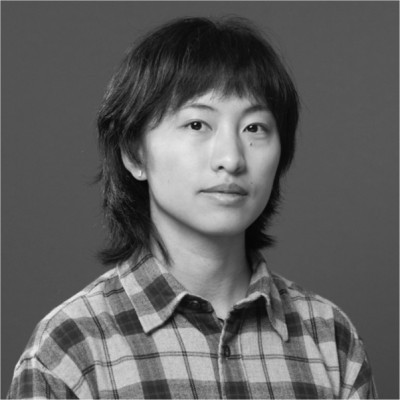
Ning Bi
Postdoctoral Researcher in Medical AI | Generative Models in CT Image Analysis @ NDS | University of Oxford
- Doctoral students 2019 – 2024
- Real-World Clinical Phenomics
Ning developed Bayesian deep learning for cardiac motion modelling and analysis, capturing uncertainty to make automated assessment of heart motion more reliable.
Thesis
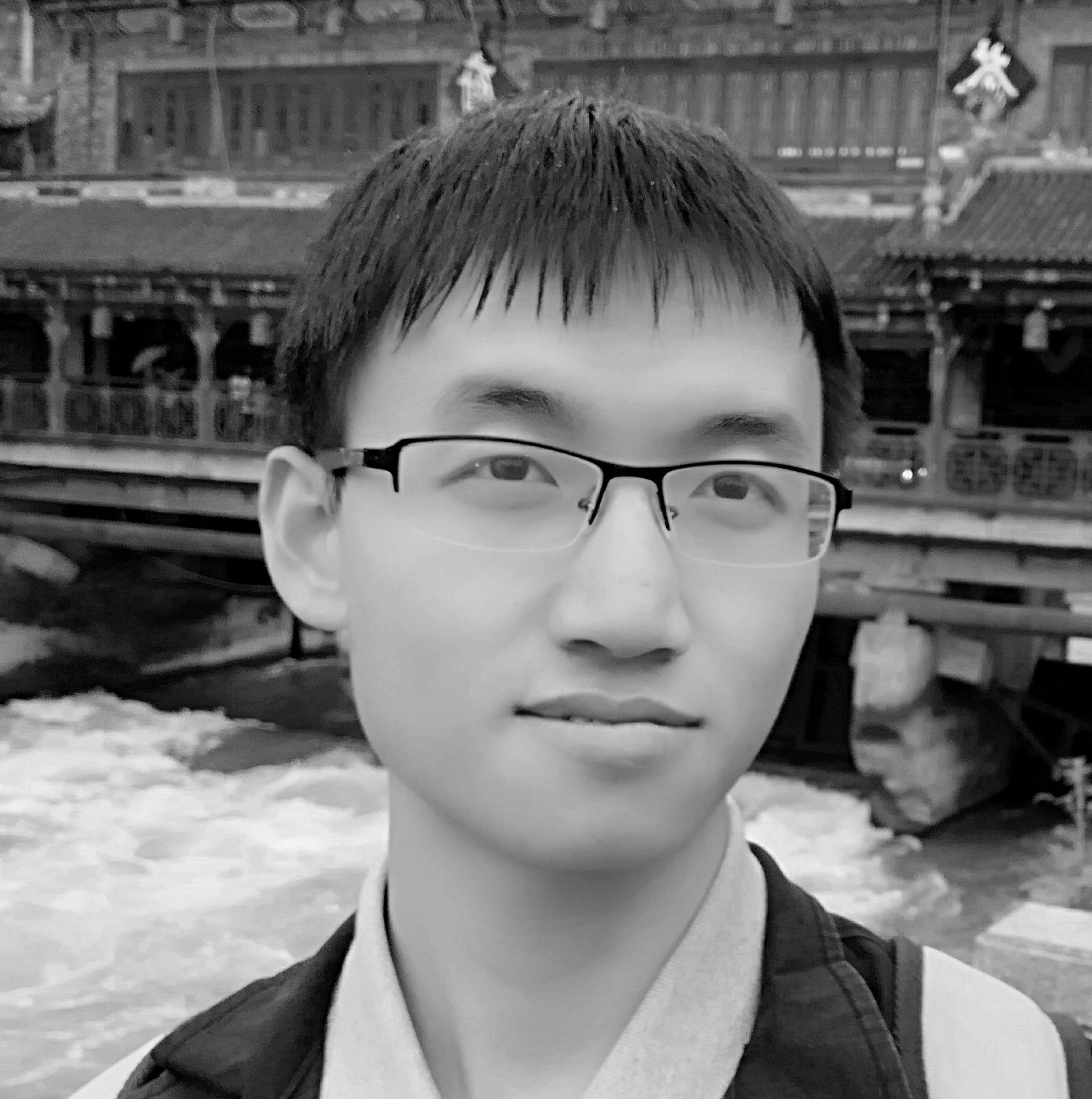
Xiang Chen
Assistant Professor, School of Artificial Intelligence and Robotics, Hunan University, Changsha, China
- Doctoral students 2019 – 2024
- Real-World Clinical Phenomics
Xiang applied deep learning to cardiac MR image analysis and cardiovascular disease diagnosis, developing automated tools to detect and characterise heart disease from imaging.
Thesis
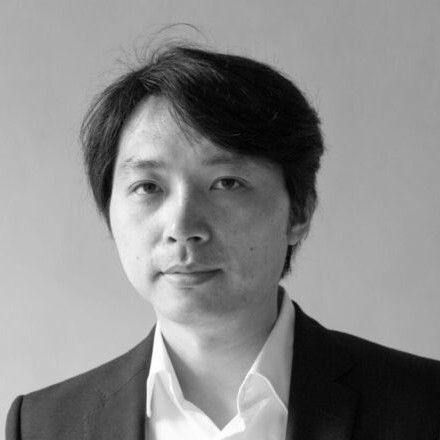
Yan Xia
W2-Professor for Artificial Intelligence in Orthodontics (Tenure Track), Department of Orthodontics and Orofacial Orthopaedics, FAU Erlangen-Nürnberg
- Postdoctoral fellows 2019 – 2024
- Real-World Clinical Phenomics
Yan develops deep-learning methods for medical imaging, from low-dose CT reconstruction to image registration and vascular segmentation, and now applies AI to orthodontic and dental imaging at FAU Erlangen.
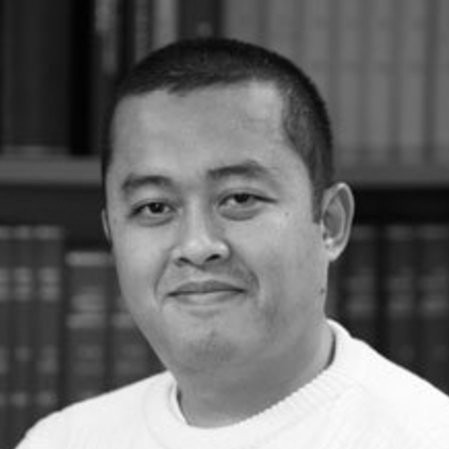
Avan Suinesiaputra
Research Associate in Cardiovascular Imaging, King's College London, UK
- Postdoctoral fellows 2004 – 2024
- Real-World Clinical Phenomics
Avan builds statistical shape atlases and automated segmentation methods for cardiac MRI, quantifying left-ventricular remodelling across large populations to support the diagnosis of heart disease.
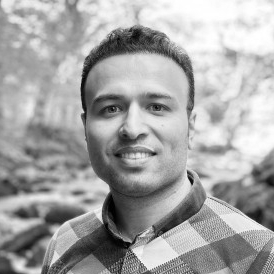
Mojtaba Lashgari
Postdoctoral Researcher, the University of Oxford, UK
- Doctoral students 2018 – 2023
- Physiology & Disease Modelling
Mojtaba built an in-silico imaging framework for microstructure-sensitive myocardial diffusion-weighted MRI, improving how heart-muscle microstructure is measured and validated.
Thesis
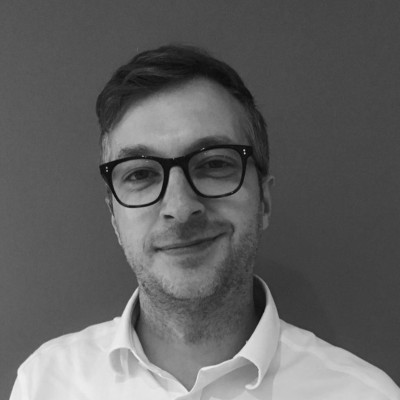
Russel T. Frood
CRUK Clinical Trials Fellow at University of Leeds and Honorary Consultant Radiologist at Leeds Teaching Hospitals NHS Trust
- Doctoral students 2017 – 2023
- Real-World Clinical Phenomics
Russel applied machine and deep learning to PET/CT interpretation in lymphoma, improving outcome prediction to support more personalised cancer treatment decisions.
Thesis
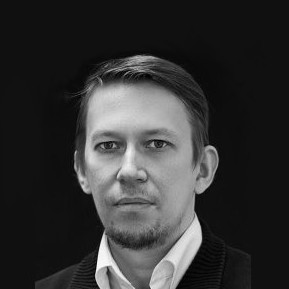
Toni Lassila
Lecturer, School of Computing, University of Leeds, UK
- Postdoctoral fellows 2016 – 2023
- Physiology & Disease Modelling
- In Silico Trials & VVUQ
Toni develops reduced-order models and uncertainty quantification for cardiovascular blood-flow simulation, enabling in-silico trials of devices such as intracranial flow diverters in virtual patients.
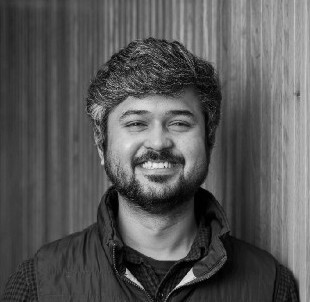
Nishant Ravikumar
Lecturer in Machine Learning, The University of Leeds, UK
- Doctoral students 2013 – 2023
- Real-World Clinical Phenomics
Nishant developed a probabilistic framework for statistical shape models and atlas construction, applied to neuroimaging, giving principled, uncertainty-aware modelling of brain anatomy.
Thesis
Ali Gooya
Senior Lecturer in Machine Learning, University of Glasgow, UK
- Postdoctoral fellows 2015 – 2021
- Real-World Clinical Phenomics
Ali develops probabilistic and deep-learning methods for medical image segmentation, registration, and statistical shape modelling, applied to cardiac and cancer imaging where expert annotations are scarce.
Rahman Attar
Lecturer, University of Southampton, Southampton, UK
- Doctoral students 2015 – 2020
- Real-World Clinical Phenomics
Rahman developed quantitative analysis of cardiac magnetic resonance for population imaging, enabling automated, large-scale measurement of heart structure and function.
Thesis
Santiago Coelho
Postdoctoral Research Fellow, New York University, School of Medicine, New York, USA
- Doctoral students 2014 – 2019
- Real-World Clinical Phenomics
Santiago advanced diffusion MRI for well-posed, optimal white-matter microstructure characterisation beyond single diffusion encoding, sharpening non-invasive mapping of brain tissue.
Thesis
Le Zhang
Assistant Professor in Digital Healthcare Engineering at the University of Birmingham, UK
- Doctoral students 2015 – 2019
- Real-World Clinical Phenomics
Le built image-quality assessment for population cardiac MRI, spanning detection to synthesis, to ensure reliable large-scale cardiac imaging studies and generate realistic training data.
Thesis
Ali Sarrami-Foroushani
Group LeaderAssistant Professor of Cardiovascular Biomechanics, the University of Manchester, UK
- Doctoral students 2014 – 2018
- Faculty 2023 – present
- Physiology & Disease Modelling
- In Silico Trials & VVUQ
Cardiovascular Biomechanics, Cardiovascular Fluid Dynamics, Computational Mechanics, Cardiovascular Medical Devices, In-Silico Trials, Scientific Machine Learning. During his PhD in the group, he developed in-silico clinical trials to assess intracranial flow diverters, using simulation to virtually test brain-aneurysm devices and accelerate safer medical-device evaluation.
Thesis
Redzuan Manap
Electronic and Electrical Engineering Department, University of Sheffield, UK
- Doctoral students 2013 – 2018
- Real-World Clinical Phenomics
Redzuan created new learning frameworks for blind image quality assessment, predicting perceived image quality without a reference to improve automated imaging pipelines.
Thesis
Mohsen Farzi
Machine Learning Scientist in Digital Pathology, The University of Leeds, UK
- Doctoral students 2014 – 2018
- Real-World Clinical Phenomics
Mohsen automated DXA image analysis to study bone ageing and osteoporosis in population imaging, enabling large-scale, objective assessment of bone health and fracture risk.
Thesis
Andres Diaz-Pinto
Senior Deep Learning Engineer, NVIDIA; Senior Visiting Research Fellow, King's College London, UK
- Postdoctoral fellows 2016 – 2018
- Real-World Clinical Phenomics
Andres builds deep-learning tools for medical imaging and is first author of MONAI Label, an open-source framework for AI-assisted interactive segmentation of 3D scans; his earlier work assessed glaucoma from retinal images.
Leandro Beltrachini
Senior Lecturer, School of Physics and Astronomy (CUBRIC), Cardiff University, UK
- Postdoctoral fellows 2014 – 2018
- Physiology & Disease Modelling
Leandro builds biophysical finite-element head models for EEG/MEG source localisation, spanning tissue conductivity and sensor-array design, plus diffusion-MRI methods that probe brain microstructure.
Marco Pereanez
Programmer Analyst II, Mount Sinai Health System, New York, USA
- Doctoral students 2011 – 2017
- Real-World Clinical Phenomics
Marco advanced enlargement, subdivision and individualisation of statistical shape models for 3D medical image segmentation, improving accuracy and personalisation of anatomical delineation.
Thesis
Bo Dong
Researcher at The University of Sheffield
- Doctoral students 2013 – 2017
- Real-World Clinical Phenomics
Bo built high-throughput image analysis for a zebrafish model of Parkinson's disease, enabling automated, large-scale screening to accelerate neurodegeneration research.
Thesis
Xenia Alba
Project Manager, Fundació Puigvert, Barcelona, Spain
- Doctoral students 2011 – 2017
- Real-World Clinical Phenomics
Xenia automated cardiac MR image analysis for population imaging, enabling large-scale, consistent measurement of heart structure and function across big imaging cohorts.
Thesis
Serkan Cimen
Senior Research Scientist at Siemens Healthineers, Princeton, New Jersey, USA
- Doctoral students 2013 – 2017
- Real-World Clinical Phenomics
Serkan reconstructed coronary arteries from X-ray rotational angiography, recovering 3D vessel geometry to support diagnosis and treatment planning of coronary artery disease.
Thesis
Rui Hua
Principal Data Scientist at abrdn, UK
- Doctoral students 2012 – 2017
- Real-World Clinical Phenomics
Rui extended free-form deformation methods for non-rigid medical image registration, modelling general tissue transitions to align images more accurately for analysis and diagnosis.
Thesis
Matthias Lange
Algorithms and Simulation in Cardiology, Salt Lake City, Utah, USA
- Doctoral students 2012 – 2017
- Physiology & Disease Modelling
- Agentic Digital Twinning
Matthias explored the human Purkinje network across virtual populations, modelling the heart's electrical conduction system to enable more realistic in-silico cardiac studies.
Thesis
Karim Lekadir
ICREA Research Professor, Universitat de Barcelona, Spain
- Postdoctoral fellows 2011 – 2016
- Real-World Clinical Phenomics
- In Silico Trials & VVUQ
Karim develops trustworthy, fair and explainable AI for medical imaging and biomedical data, and founded the international FUTURE-AI consortium that set the first consensus guidelines for deployable healthcare AI.
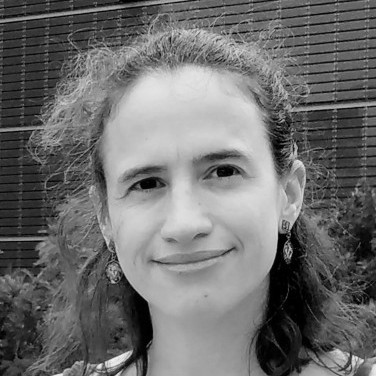
Gemma Piella
Full Professor, BCN-MedTech, Universitat Pompeu Fabra, Spain
- Postdoctoral fellows 2009 – 2016
- Real-World Clinical Phenomics
Gemma develops image fusion, registration and machine-learning methods for medical image analysis, using patient-stratification techniques to personalise diagnosis and treatment in cardiovascular disease.
Simone Balocco
Associate Professor, Department of Mathematics and Computer Science, University of Barcelona, Spain
- Postdoctoral fellows 2008 – 2016
- Real-World Clinical Phenomics
Simone develops image-analysis and machine-learning methods for intravascular ultrasound (IVUS), detecting vessel-wall borders and coronary bifurcations to characterise atherosclerosis and support stenting.
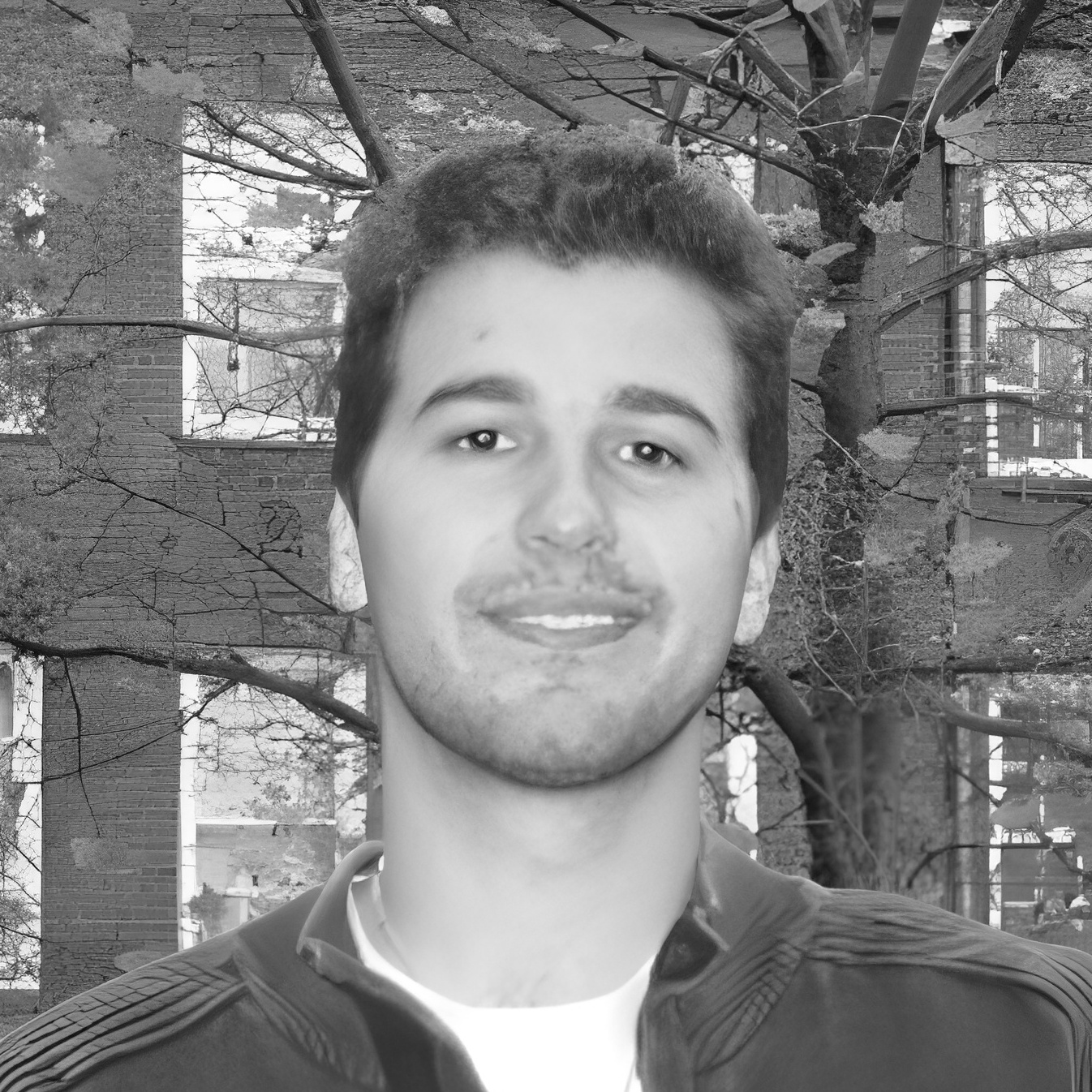
Isaac Castro-Mateos
Lead Data Scientist at Vyntelligence, London, UK
- Doctoral students 2011 – 2015
- Physiology & Disease Modelling
Isaac built statistical anatomical models for efficient, personalised spine biomechanics, enabling patient-specific simulation to support diagnosis and surgical planning of the spine.
Thesis
Antonio R Porras-Perez
Assistant Professor, University of Chicago
- Doctoral students 2011 – 2015
- Real-World Clinical Phenomics
Antonio combined multiple image cues to characterise cardiac tissue, improving automated identification of tissue properties from cardiac images for more accurate diagnosis.
Thesis
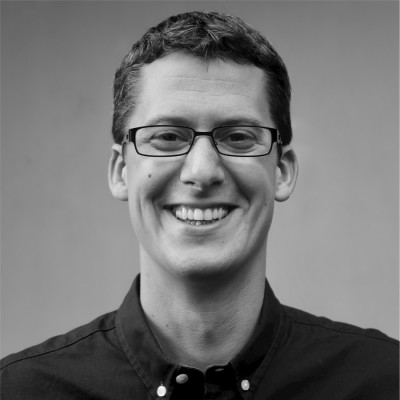
Arjan J. Geers
Software Engineer at Planet Haarlem, North Holland, Netherlands
- Doctoral students 2009 – 2015
- Physiology & Disease Modelling
Arjan advanced hemodynamic modelling of cerebral aneurysms, quantifying blood-flow patterns to help predict aneurysm growth and rupture risk for better treatment decisions.
Thesis
Corne Hoogendoorn
Research engineer, Toshiba Medical Visualization Systems, Edinburgh, UK
- Doctoral students 2008 – 2014
- Real-World Clinical Phenomics
Corne built a statistical dynamic cardiac atlas for the Virtual Physiological Human, modelling how hearts move across a population to enable more realistic simulation and cardiac image analysis.
Thesis
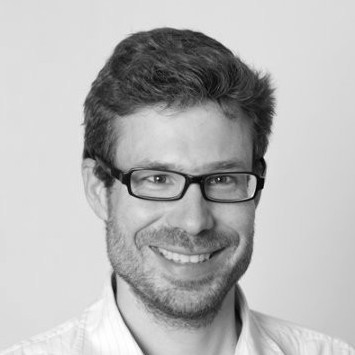
Mathieu De Craene
Medical Images Segmentation Scientist, Senior Manager, Dassault Systèmes, France
- Postdoctoral fellows 2008 – 2014
- Real-World Clinical Phenomics
Mathieu develops image-analysis methods to quantify cardiac motion, deformation and strain from echocardiography, building tools that characterise myocardial function and cardiovascular disease.
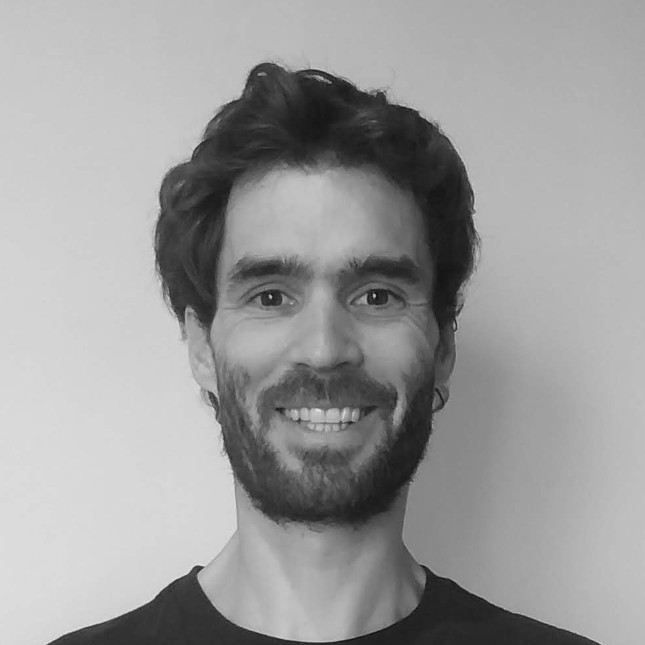
Ludovic Humbert
CEO, 3D-Shaper Medical, Barcelona, Spain
- Postdoctoral fellows 2010 – 2013
- Real-World Clinical Phenomics
Ludovic develops 3D modelling of bone shape and density from standard 2D DXA scans (3D-DXA) to improve osteoporosis diagnosis and fracture-risk assessment, and now leads 3D-Shaper Medical commercialising it.
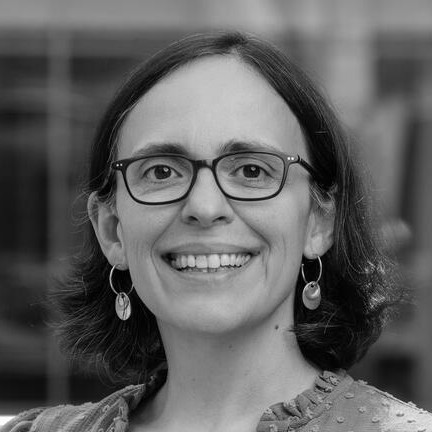
Maria-Cruz Villa-Uriol
Senior Lecturer, School of Computer Science, University of Sheffield, UK
- Postdoctoral fellows 2009 – 2013
- Real-World Clinical Phenomics
- Physiology & Disease Modelling
Maria-Cruz builds patient-specific, image-based models and visualisation tools for cerebral aneurysms, characterising vascular morphology and haemodynamics to support clinical decisions on aneurysm treatment.
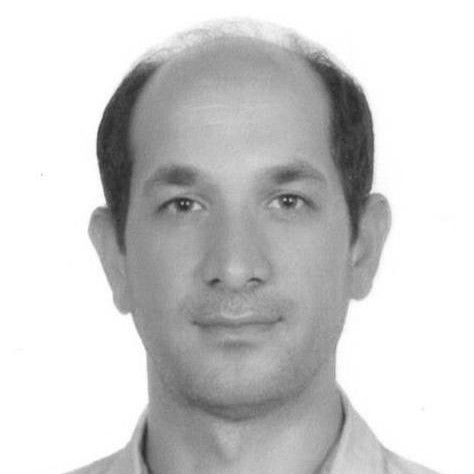
Ali Pashaei
Research and Development Engineer, ADPRO Medical SL, Spain
- Postdoctoral fellows 2009 – 2013
- Physiology & Disease Modelling
Ali built computational cardiac models — simulating atrial-fibrillation ablation, defining universal atrial and ventricular coordinate systems, and running CFD studies of intracardiac blood flow — during his time in the lab.
Rafael Sebastián
Full Professor, Department of Computer Science, Universitat de València, Spain
- Postdoctoral fellows 2008 – 2013
- Physiology & Disease Modelling
Rafael builds multiscale, patient-specific heart models — including the Purkinje conduction system and fibre orientation — to simulate electrophysiology and guide therapy for arrhythmias such as ventricular tachycardia.
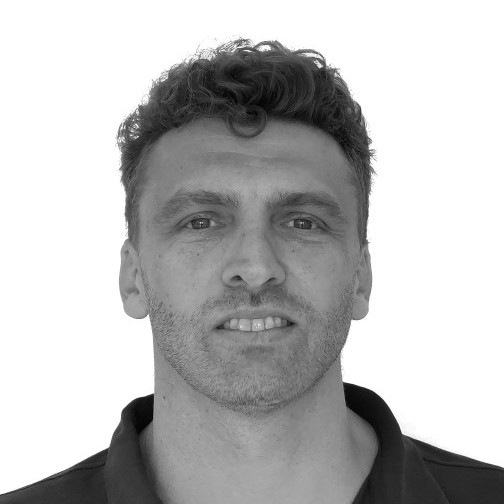
Ignacio Larrabide
Researcher at CONICET and Lecturer at UNICEN (PLADEMA), Tandil, Argentina
- Postdoctoral fellows 2008 – 2013
- Physiology & Disease Modelling
- In Silico Trials & VVUQ
Ignacio develops image-based computational models and fast virtual stent and flow-diverter deployment methods for planning endovascular treatment of cerebral aneurysms, and leads the Yatiris group at UNICEN, Argentina.
Martha Aguilar
Specialist Radiographer, NHS Lothian, UK
- Research software engineers 2008 – 2013
- Research software engineers
Martha co-authored computational hemodynamics studies of intracranial aneurysms treated with flow diverters and helped build AngioLab, a tool for morphological analysis and treatment planning of cerebral aneurysms.
Pablo Lamata
Professor of Biomedical Engineering, King's College London, UK
- Master students 2003 – 2013
- Agentic Digital Twinning
- Physiology & Disease Modelling
Pablo builds patient-specific computational models and image-based cardiac digital twins, turning cardiac imaging into personalised biomarkers that support preventive and precision cardiology.
Hernan Morales
Researcher at Dassault Systèmes, Vélizy-Villacoublay, Île-de-France, France
- Doctoral students 2008 – 2012
- Physiology & Disease Modelling
Hernan used image-based modelling to study how endovascular coiling changes blood flow inside aneurysms, informing safer, more effective treatment of brain aneurysms.
Thesis
Hrvoje Bogunovic
Faculty at the Medical University of Vienna, Director of Christian Doppler Lab for Artificial Intelligence in Retina, Vienna, Austria
- Doctoral students 2008 – 2012
- Real-World Clinical Phenomics
Hrvoje developed geometric modelling to characterise the Circle of Willis, quantifying brain-artery anatomy to better understand stroke and aneurysm risk from angiographic images.
Thesis
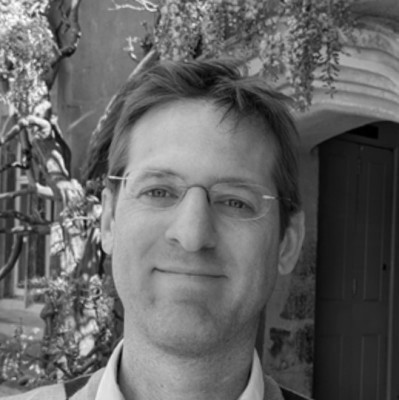
Tristan Whitmarsh
Research Associate, University of Cambridge, Cambridge, UK
- Doctoral students 2007 – 2012
- Real-World Clinical Phenomics
Tristan reconstructed 3D femur and vertebrae anatomy and density from standard 2D DXA scans, enabling improved osteoporotic fracture-risk assessment without extra imaging.
Thesis
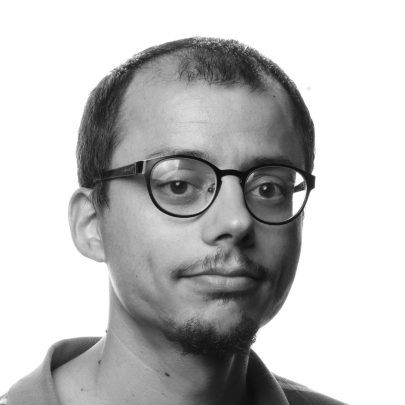
Nicholas Duchateau
Associate Professor at Université Claude Bernard Lyon 1, Lyon, France
- Doctoral students 2008 – 2012
- Real-World Clinical Phenomics
Nicholas built statistical atlases of cardiac motion and deformation to characterise responders to cardiac resynchronisation therapy, helping predict which heart-failure patients benefit from treatment.
Thesis
Lucilio Cordero-Grande
Tenured Assistant Professor, Biomedical Image Technologies group, Universidad Politécnica de Madrid, Spain
- Postdoctoral fellows 2012
- Real-World Clinical Phenomics
Lucilio develops motion-robust MRI acquisition and reconstruction methods for imaging the fetal and neonatal brain, underpinning the developing Human Connectome Project's studies of early brain development.
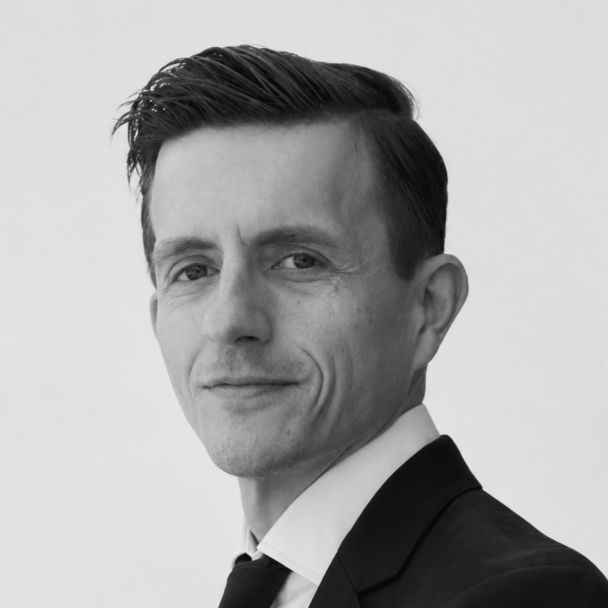
Juan Cerrolaza
Head of Artificial Intelligence, Kyndryl Consult, Spain
- Postdoctoral fellows 2012
- Real-World Clinical Phenomics
Juan developed multiresolution, hierarchical statistical shape models that decompose anatomical variability across scales for efficient segmentation of multi-object structures such as the brain and organs.
Chong Zhang
Researcher at Universitat Pompeu Fabra, Barcelona, Spain
- Doctoral students 2005 – 2011
- Real-World Clinical Phenomics
Chong recovered cerebrovascular morphodynamics from time-resolved rotational angiography, reconstructing how brain vessels move and deform to aid diagnosis and treatment planning for vascular disease.
Thesis
Catalina Tobon-Gomez
Data visualization engineer at Nicolab Haarlem, North Holland, Netherlands
- Doctoral students 2007 – 2011
- Real-World Clinical Phenomics
Catalina created three-dimensional statistical shape models for cardiac image analysis, capturing heart-shape variability to improve automated segmentation and characterisation of cardiac anatomy.
Thesis
Emma Muñoz-Moreno
Head of the MRI Core Facility, IDIBAPS, Barcelona, Spain
- Postdoctoral fellows 2010 – 2011
- Real-World Clinical Phenomics
Emma uses diffusion MRI and tractography to map brain connectivity and network changes in intrauterine growth restriction, preterm birth and preclinical models of Alzheimer's disease, and heads the IDIBAPS MRI facility.
Sri-Kaushik Pavani
Amazon, Greater Seattle Area, USA
- Doctoral students 2006 – 2010
Sri-Kaushik built face detection and adaptive face recognition systems, advancing robust, self-improving computer-vision pipelines that recognise faces reliably under changing real-world conditions.
Thesis
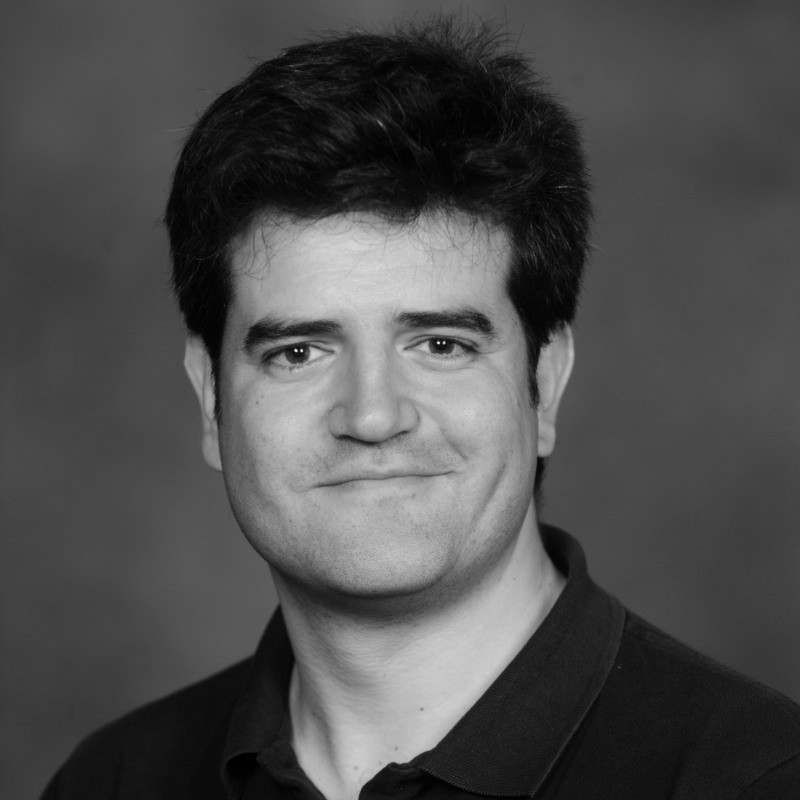
Gonzalo Vegas-Sánchez-Ferrero
Director, Clinical Imaging (Early Clinical Development), AstraZeneca, USA
- Postdoctoral fellows 2010
- Real-World Clinical Phenomics
Gonzalo develops statistical methods for medical image processing, including noise characterisation in MRI and ultrasound and CT harmonisation, to build robust quantitative chest-CT biomarkers for COPD and lung disease.
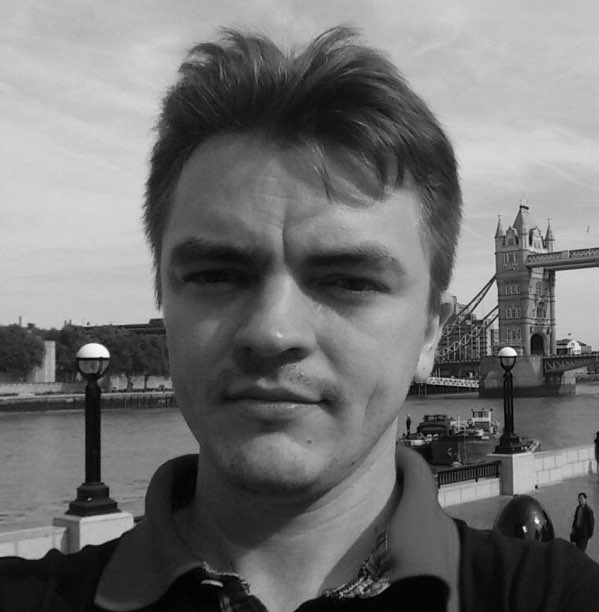
Constantine Butakoff
Data analysis, R&D at ELEM Biotech, Barcelona, Spain
- Doctoral students 2005 – 2009
- Real-World Clinical Phenomics
Constantine devised efficient techniques to build and fuse statistical shape models, making it faster and more robust to capture anatomical variability across populations for large-scale medical imaging.
Thesis
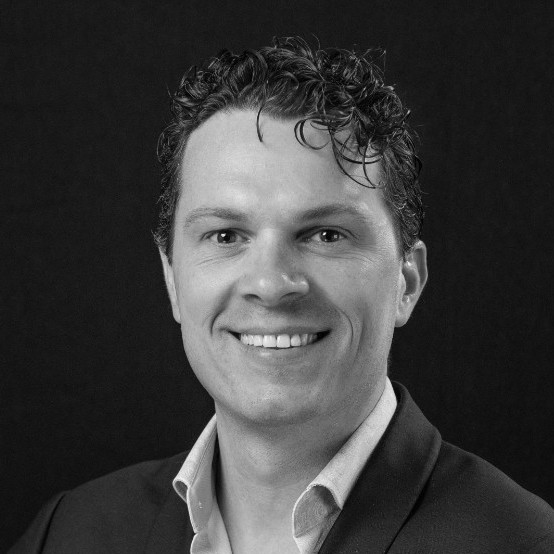
Alessandro Radaelli
Vice President, European Strategy and Market Development, HistoSonics
- Postdoctoral fellows 2008 – 2009
- Physiology & Disease Modelling
Alessandro built patient-specific, image-based models of cerebral vasculature from 3D rotational angiography and pioneered fast virtual stenting of intracranial aneurysms to predict how stents alter blood flow.
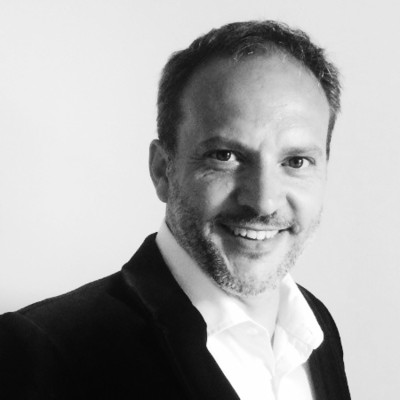
Estanislao Oubel
Lead Image Processing Engineer, Intrasense, Greater Montpellier Metropolitan Area, France
- Doctoral students 2004 – 2008
- Real-World Clinical Phenomics
Estanislao developed registration-based methods to track motion and deformation in cardiovascular image sequences, enabling quantitative analysis of how the heart and vessels move to support better cardiac diagnosis.
Thesis
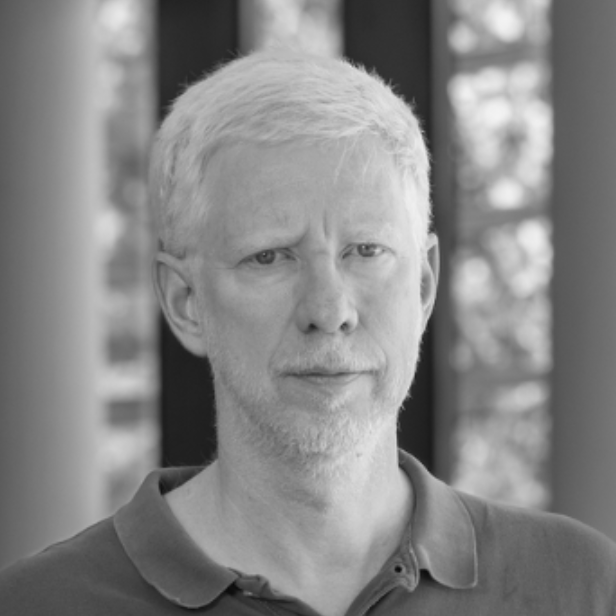
Federico M. Sukno
Deputy Director Teaching, University Pompeu Fabra, Spain
- Doctoral students 2003 – 2008
- Real-World Clinical Phenomics
Federico's thesis made statistical shape models more invariant and reliable, so automatic anatomy detection stays accurate despite imaging variability — a foundation for trustworthy medical image analysis.
Thesis
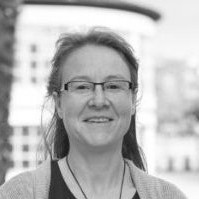
Laura Dempere-Marco
Associate Professor, Universitat de Vic – Universitat Central de Catalunya, Spain
- Postdoctoral fellows 2006 – 2007
- Physiology & Disease Modelling
Laura studies the computational neuroscience of vision, modelling visual attention, eye movements during visual search, and working memory, after earlier lab work on the hemodynamics and shape of cerebral aneurysms.
Jian Yang
Professor, School of Computer Science and Technology, Nanjing University of Science and Technology, China
- Postdoctoral fellows 2003 – 2005
Jian develops pattern recognition and computer vision methods, from the widely used two-dimensional PCA for face recognition to deep networks such as Selective Kernel Networks for image analysis and object detection.
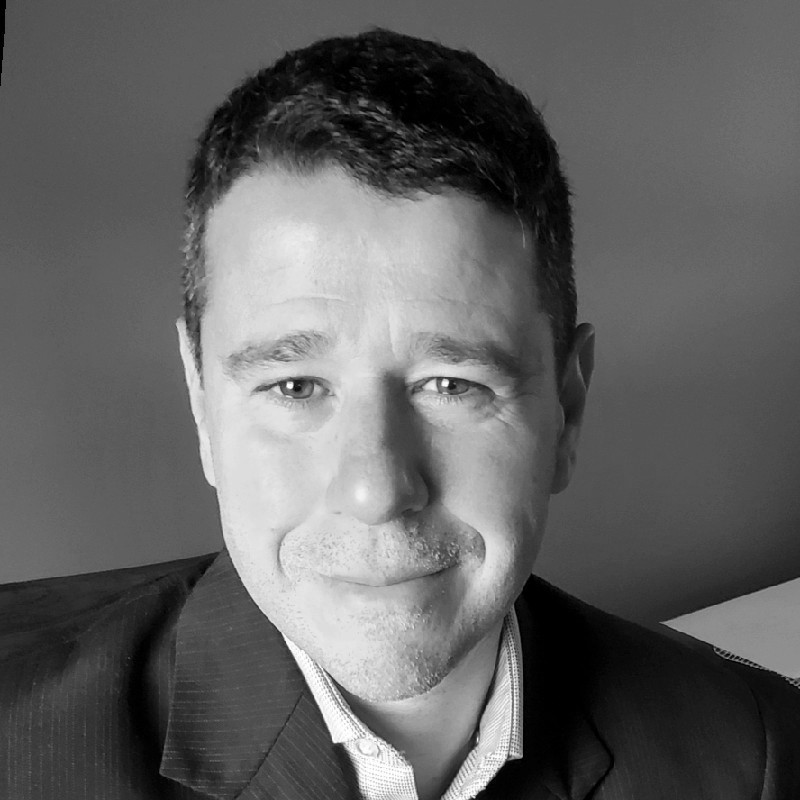
Sebastián Ordas
Principal R&D Engineer, Cardiac Rhythm Management, Boston Scientific
- Research software engineers 2002 – 2005
- Research software engineers
Sebastián built statistical shape models of the whole heart from large CT datasets, enabling automated, model-based segmentation of the cardiac chambers and connected vasculature without manual delineation.
No alumni match these filters.