funding
Main funding awards and grants received, in reverse chronological order.
This page lists all projects across the group's history. Only those awarded from July 2023 onwards are affiliated with the University of Manchester and CIMIM, together with a small number of earlier projects that relocated to Manchester.
2025
-
ICF— State-of-the-art preclinical MRI for imaging brain physiology
Ben Dickie (Principal Investigator), Stuart Allan (Co-Investigator), Marie-Claude Asselin (Co-Investigator), Marianne Aznar (Co-Investigator), Sam Butterworth (Co-Investigator), Kevin Couper (Co-Investigator), Ross Dunne (Co-Investigator), Alejandro F. Frangi (Co-Investigator), Adam Greenstein (Co-Investigator), Maria Kamper (Co-Investigator), Kostas Kostarelos (Co-Investigator), Catherine Lawrence (Co-Investigator), Denise Ogden (Co-Investigator), Yolanda Ohene (Co-Investigator), Laura Parkes (Co-Investigator), Harry Pritchard (Co-Investigator), Jack Rowbotham (Co-Investigator), Kieron South (Co-Investigator), Stavros Stivaros (Co-Investigator), Kaye Williams (Co-Investigator), Rob Wykes (Co-Investigator)
- Physiology & Disease Modelling
This capital award replaces the University of Manchester's end-of-life 7T preclinical MRI scanner — last upgraded in 2008 and now five years beyond its serviceable life — with a new cryogen-free, state-of-the-art 7T instrument.
Beyond its familiar hospital role in diagnosing and monitoring disease, MRI is an essential preclinical research tool: it is used to study how diseases occur and develop and to evaluate novel interventions in mouse and rat models, and to develop new imaging methods. Discoveries translate directly onto human scanners and into clinical populations, giving the work significant translational reach.
The current instrument is heavily used — around 900 hours a year, ~90% of operational capacity, underpinning some £20M of grant income — yet is at high risk of non-recoverable failure, which would halt a wide range of research programmes. The project therefore has two aims: to prevent the loss of preclinical MRI capability at Manchester, and to dramatically upgrade hardware and software to boost image quality and enable science not currently possible.
Higher-specification gradients will increase brain coverage and spatial resolution for both routine and novel techniques — filtered exchange imaging, arterial spin labelling and diffusion tensor imaging — resolving smaller structures such as the hippocampus and perivascular spaces and mapping lesion (e.g. tumour) heterogeneity, and enabling higher-resolution imaging of low-frequency nuclei such as deuterium and higher b-value (kurtosis) diffusion MRI. Multi-channel coils and SmartMI AI software deliver clearer images in less time, improving throughput.
While current users focus on the brain, a longer-term goal is to expand into new areas including cardiology — capitalising on the recent BHF Centre of Research Excellence funding — supported by automated analysis pipelines for robust, efficient and sustainable service delivery locally, nationally and internationally.
 £800k
£800k -
Federated Data Science UK (FEDS UK)
UKRI Medical Research Council Investment in Federated Data Science
Stian Soiland-Reyes (Principal Investigator), Alejandro F. Frangi (Co-Investigator), Carole Goble (Co-Investigator)
- Real-World Clinical Phenomics
- Trial Ecosystems & Infrastructure
A five-year UKRI Medical Research Council investment to scale up secure, federated data science across the UK's health-data infrastructure, led by Swansea University's Secure eResearch Platform (SeRP) with partners including Health Data Research UK, the University of Manchester, the University of Nottingham and the NHS Secure Data Environment programme. Building on the DARE UK programme, it unifies technologies from across these institutions into an open-source suite for federated analytics over UK health data.
CIMIM contributes to the Manchester node's federated data-science and analytics work.
£3.7m -
RISE— Reducing Immune Stress from Excess Cytokine Release in Advanced Therapies (APP67256)
MRC Prosperity Partnerships: Advanced Therapies Safety and Toxicity
Jon Lim (Principal Investigator), Alejandro F. Frangi (Co-Investigator), Evangelos Giampazolias (Co-Investigator), Lukas Hughes-Noehrer (Co-Investigator), Matthew Parkes (Co-Investigator), Simona Valletta (Co-Investigator)
- Physiology & Disease Modelling
- In Silico Trials & VVUQ
RISE is a multidisciplinary initiative addressing the challenges of advanced immunotherapies (ATs) such as CAR-T, with a focus on improving safety, accessibility, and long-term outcomes. It tackles critical issues such as cytokine release syndrome (CRS) and other severe adverse effects, which currently hinder broader adoption. Methodologically, RISE integrates cutting-edge in silico techniques — including AI-driven digital twins and multimodal data integration — to simulate patient outcomes and toxicity mechanisms. Through collaborations with the NHS, academia, and industry, RISE combines high-dimensional immunoprofiling, wearable technologies, and patient-reported outcomes to enhance pharmacovigilance and establish new standards for AT development and regulation.
CIMIM leads the in silico digital-twin and multimodal data-integration work package, providing the computational backbone for safety and toxicity simulation across the consortium.
£3.199m -
UK CEiRSI— The UK's Centre of Excellence on In-silico Regulatory Science and Innovation — Pilot Phase (10139527)
UKRI Regulatory Innovation Networks: Implementation Phase (Human Health)
Alejandro F. Frangi (Principal Investigator)
- In Silico Trials & VVUQ
- Trial Ecosystems & Infrastructure
The UK Centre of Excellence on in silico Regulatory Science and Innovation (UK CEiRSI) addresses a critical deadlock in medical-product development and regulation. Computational Modelling and Simulation (CM&S) techniques offer the potential for more reliable, faster, and cost-effective testing and approvals, but their adoption is hindered by a regulatory-industrial impasse: regulators lack evidence to accept in silico methods as alternatives to live trials, while developers hesitate to invest without regulatory assurance. Building on preliminary work in international partnerships and regulatory guidance, the Pilot Phase implements an In-Silico Regulatory Airlock initiative. Through pre-competitive pilot case studies of hypothetical medical products, the Centre evaluates and refines existing credibility frameworks (including FDA and ASME V&V standards) to establish robust UK principles for the regulatory adoption of in silico technologies.
Hosted by CIMIM at the University of Manchester.
Academic partners: University of Oxford, University College London, Queen Mary University of London, University of Birmingham, University of Edinburgh, University of Liverpool, University of Sheffield, University of Strathclyde, Swansea University, University of York.
Industry and standards partners: ANSYS UK, Association of British HealthTech Industries, BioNow, Edwards Lifesciences, Health Innovation Research Alliance, Health Innovation Manchester, Medtronic, NAFEMS, NHS England, NPL, the British Standards Institution, and the Organisation for Professionals in Regulatory Affairs.
Related publications
-
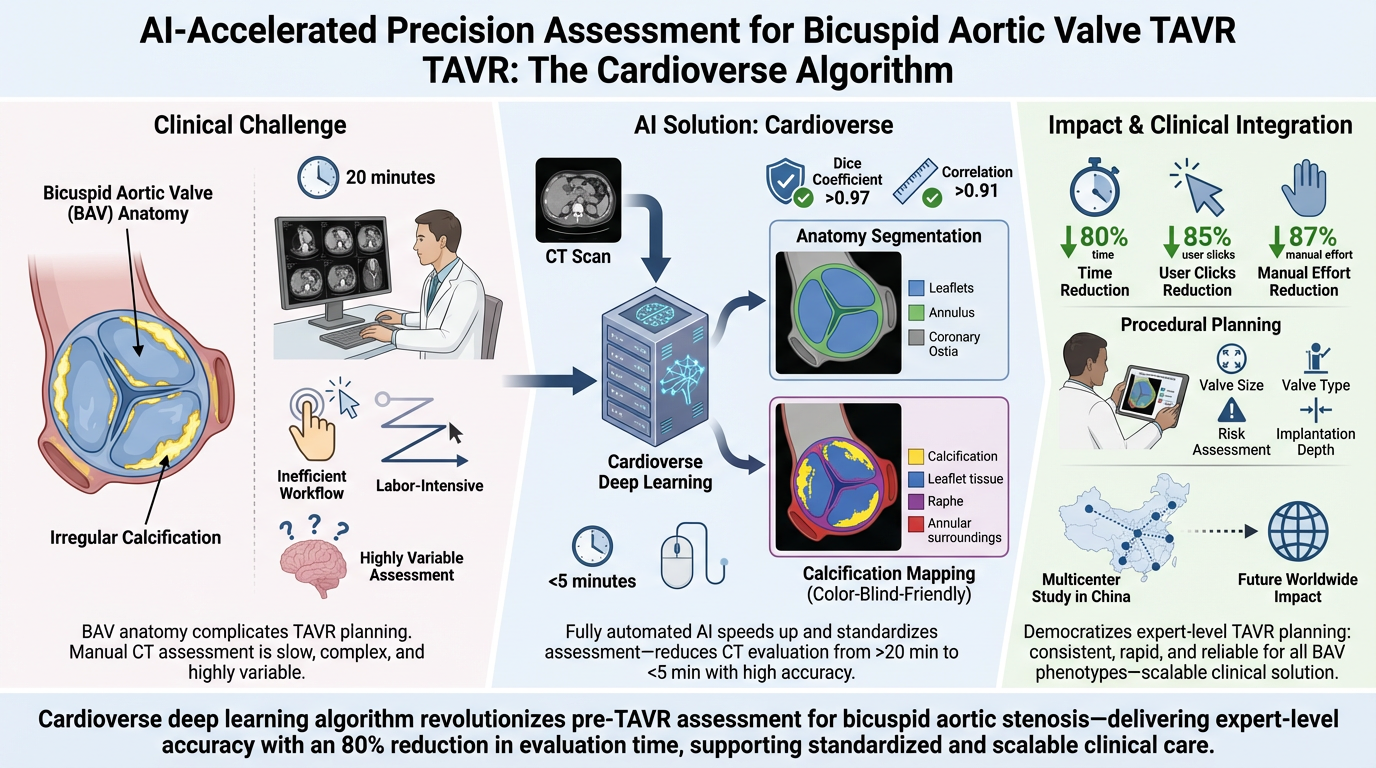 (2025). Precision TAVR quantification- AI-accelerated TAVR planning reduces assessment time by 80% in bicuspid aortic stenosis. Eur. Heart J. Imaging Methods Pract., 3(4):qyaf153. DOI: 10.1093/ehjimp/qyaf153.
 -
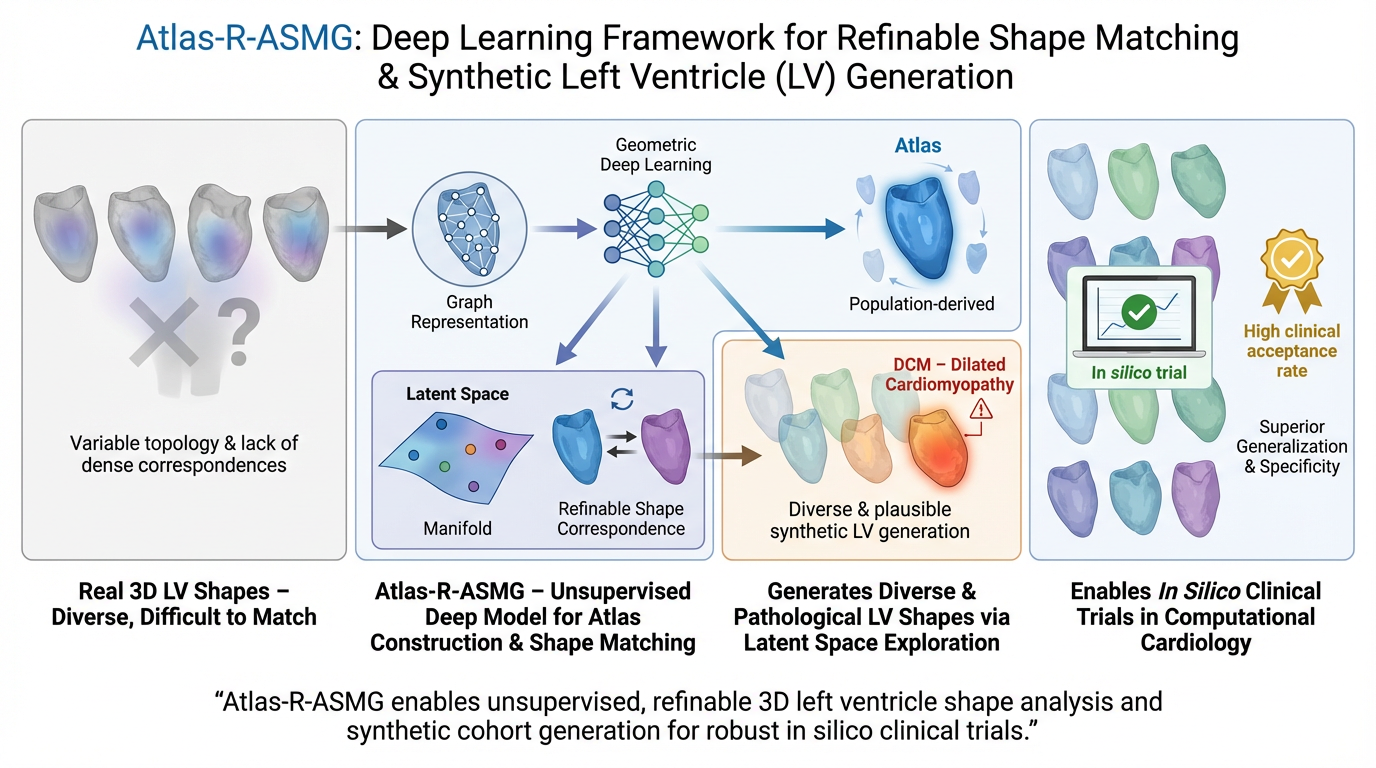 (2025). An End-to-End Deep Learning Generative Framework for Refinable Shape Matching and Generation. IEEE Trans. Med. Imaging, 44(8):3323–3344. DOI: 10.1109/TMI.2025.3562756.journals Funding: UK CEiRSIFunding: BHF COREFunding: MRRCFunding: NIHR BRCFunding: INSILICOFunding: INSILEX Bib
 - (2025). SegMorph: Concurrent Motion Estimation and Segmentation for Cardiac MRI Sequences. IEEE Trans Med Imaging., 44(9):3515–3528. DOI: 10.1109/tmi.2024.3435000.journals Funding: UK CEiRSIFunding: BHF COREFunding: MRRCFunding: NIHR BRCFunding: INSILICOFunding: INSILEX Bib
 £1m
£1m


2024
-
Manchester Radiation Research Centre of Excellence (C1994/A28701)
CRUK Radiation Research Network: Computational Radiation Oncology
Alejandro F. Frangi (Co-Investigator)
- Real-World Clinical Phenomics
- Physiology & Disease Modelling
CRUK RadNet Manchester works in partnership with The Christie NHS Foundation Trust and The University of Manchester to develop an integrated, world-leading radiation oncology programme. The Centre pursues individualised, personalised physical and biological testing, informed by real-time outcomes and a mechanistic understanding of the tumour microenvironment, immune response, comorbidity, and genomics.
The network represents a major investment by Cancer Research UK to establish a critical mass of radiation research activity across seven strategic UK locations, including Manchester. The Manchester Centre focuses on three priorities: personalised and adaptive radiotherapy, re-irradiation strategies, and combining radiotherapy with novel therapies.
Within the Manchester Centre, CIMIM develops the computational approaches supporting these priorities — particularly image-guided therapy planning and treatment-response prediction.
Related publications
-
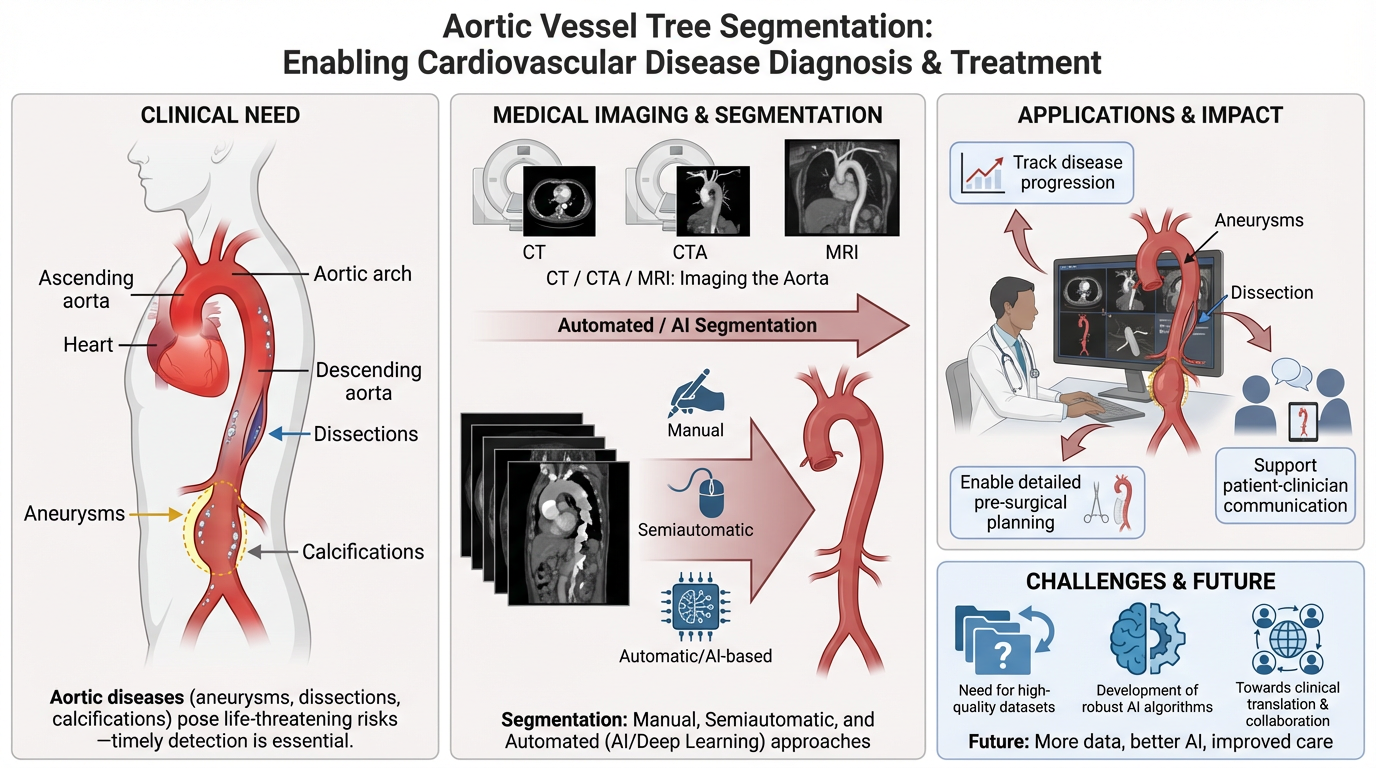 (2025). Aortic Vessel Tree Segmentation for Cardiovascular Diseases Treatment: Status Quo. ACM Comput. Surv., 57(9):1–35. DOI: 10.1145/3728632.
 - (2025). An End-to-End Deep Learning Generative Framework for Refinable Shape Matching and Generation. IEEE Trans. Med. Imaging, 44(8):3323–3344. DOI: 10.1109/TMI.2025.3562756.journals Funding: UK CEiRSIFunding: BHF COREFunding: MRRCFunding: NIHR BRCFunding: INSILICOFunding: INSILEX Bib
- (2025). SegMorph: Concurrent Motion Estimation and Segmentation for Cardiac MRI Sequences. IEEE Trans Med Imaging., 44(9):3515–3528. DOI: 10.1109/tmi.2024.3435000.journals Funding: UK CEiRSIFunding: BHF COREFunding: MRRCFunding: NIHR BRCFunding: INSILICOFunding: INSILEX Bib
 £4.52m
 -
BHF Manchester Centre of Research Excellence (RE/24/130017)
BHF Centre of Research Excellence: Computational Cardiovascular Medicine
Bernard Keavney (Principal Investigator), Alejandro F. Frangi (Work Package 5 Co-Lead), Stuart Allan (Co-Investigator), Sophia Ananiadou (Co-Investigator), David Brough (Co-Investigator), Maya Buch (Co-Investigator), Elizabeth Cartwright (Co-Investigator), Adam Greenstein (Co-Investigator), Kathryn Hentges (Co-Investigator), Evangelos Kontopantelis (Co-Investigator), Mamas Mamas (Co-Investigator), Christopher Miller (Co-Investigator), Andrew Morris (Co-Investigator), Jenny Myers (Co-Investigator), William Newman (Co-Investigator), Delvac Oceandy (Co-Investigator), Niels Peek (Co-Investigator), Alistair Revell (Co-Investigator), Craig Smith (Co-Investigator), Maciej Tomaszewski (Co-Investigator), Andy Trafford (Co-Investigator), Xin Wang (Co-Investigator)
- Real-World Clinical Phenomics
- Physiology & Disease Modelling
The Manchester British Heart Foundation Centre of Research Excellence (CRE) advances cardiovascular research through interdisciplinary collaboration to tackle cardiovascular disease. It focuses on innovative prevention, diagnosis, treatment, and care strategies, combining cutting-edge technology with clinical expertise to deliver high-impact, translational discoveries.
The Centre integrates world-class cardiovascular science, data science, and AI researchers, supporting groundbreaking research in cardiovascular genomics, heart failure, and the inflammatory drivers of disease. CIMIM contributes the in silico and AI-driven imaging methods that underpin the Centre's computational cardiology workstream.
Related publications
- (2025). Precision TAVR quantification- AI-accelerated TAVR planning reduces assessment time by 80% in bicuspid aortic stenosis. Eur. Heart J. Imaging Methods Pract., 3(4):qyaf153. DOI: 10.1093/ehjimp/qyaf153.
- (2025). Aortic Vessel Tree Segmentation for Cardiovascular Diseases Treatment: Status Quo. ACM Comput. Surv., 57(9):1–35. DOI: 10.1145/3728632.
- (2025). An End-to-End Deep Learning Generative Framework for Refinable Shape Matching and Generation. IEEE Trans. Med. Imaging, 44(8):3323–3344. DOI: 10.1109/TMI.2025.3562756.journals Funding: UK CEiRSIFunding: BHF COREFunding: MRRCFunding: NIHR BRCFunding: INSILICOFunding: INSILEX Bib
- (2025). SegMorph: Concurrent Motion Estimation and Segmentation for Cardiac MRI Sequences. IEEE Trans Med Imaging., 44(9):3515–3528. DOI: 10.1109/tmi.2024.3435000.journals Funding: UK CEiRSIFunding: BHF COREFunding: MRRCFunding: NIHR BRCFunding: INSILICOFunding: INSILEX Bib
- (2025). Key influencers in an aneurysmal thrombosis model: A sensitivity analysis and validation study. APL Bioeng, 9(1):016107. DOI: 10.1063/5.0223753.
 £8.1m
£8.1m -
UK Centre of Excellence in In-Silico Regulatory Science and Innovation supporting the Entire Product Lifecycle in Life and Health Sciences — A Network of Enabling National Capabilities (10110484)
UKRI Regulatory Science and Innovation Networks: Discovery Phase
Alejandro F. Frangi (Principal Investigator)
- In Silico Trials & VVUQ
- Trial Ecosystems & Infrastructure
The UK Centre of Excellence in in silico Regulatory Science and Innovation (UK CEiRSI) extends the InSilicoUK Pro-Innovation Regulations Network's work in advancing computational modelling and simulation (CM&S) for the Life and Health Sciences.
Traditional testing methods for medical products are costly, lengthy, and stage-bound — from bench tests to human clinical trials. In silico testing uses computational models, including digital twins and virtual patients, to simulate the product life cycle, offering a more efficient, cost-effective, and ethical alternative by reducing animal and human testing.
Launched in March 2022, InSilicoUK has grown into a community of more than 2,600 members across academia, industry, and regulatory bodies. The Discovery Phase, hosted at CIMIM, scoped the operating model, partnerships, and skills foundations of UK CEiRSI in preparation for the Pilot Phase.
 £50k
£50k

2023
-
INSILICO— Cardiovascular Device Innovation and Regulatory Science: Virtual Chimaeras and In-Silico Trials with Novel Hybrid Machine Learning (EP/Y030494/1)
EPSRC Frontier Research Guarantee (UKRI replacement for ERC Advanced Grant)
Alejandro F. Frangi (Awardee)
- Agentic Digital Twinning
- Physiology & Disease Modelling
- In Silico Trials & VVUQ
INSILICO lays advanced computational foundations to accelerate the adoption of in silico trials as a cost-effective, rational route to medical-device innovation and regulatory evidence. The programme unifies data- and knowledge-driven deep learning through hybrid representations.
It will deliver: (a) virtual patient cohorts that reflect complex features of real-world populations; (b) mechanistic and phenomenological prediction of interventional outcomes in those virtual populations; and (c) the accuracy, reliability, and scalability needed for trustworthy computational predictions and their uncertainty quantification.
INSILICO will deliver the first head-to-head comparison between a Randomised Controlled Trial and an In Silico Trial, using a real-world dataset from an $80m cardiac prosthetic-valve trial.
Related publications
-
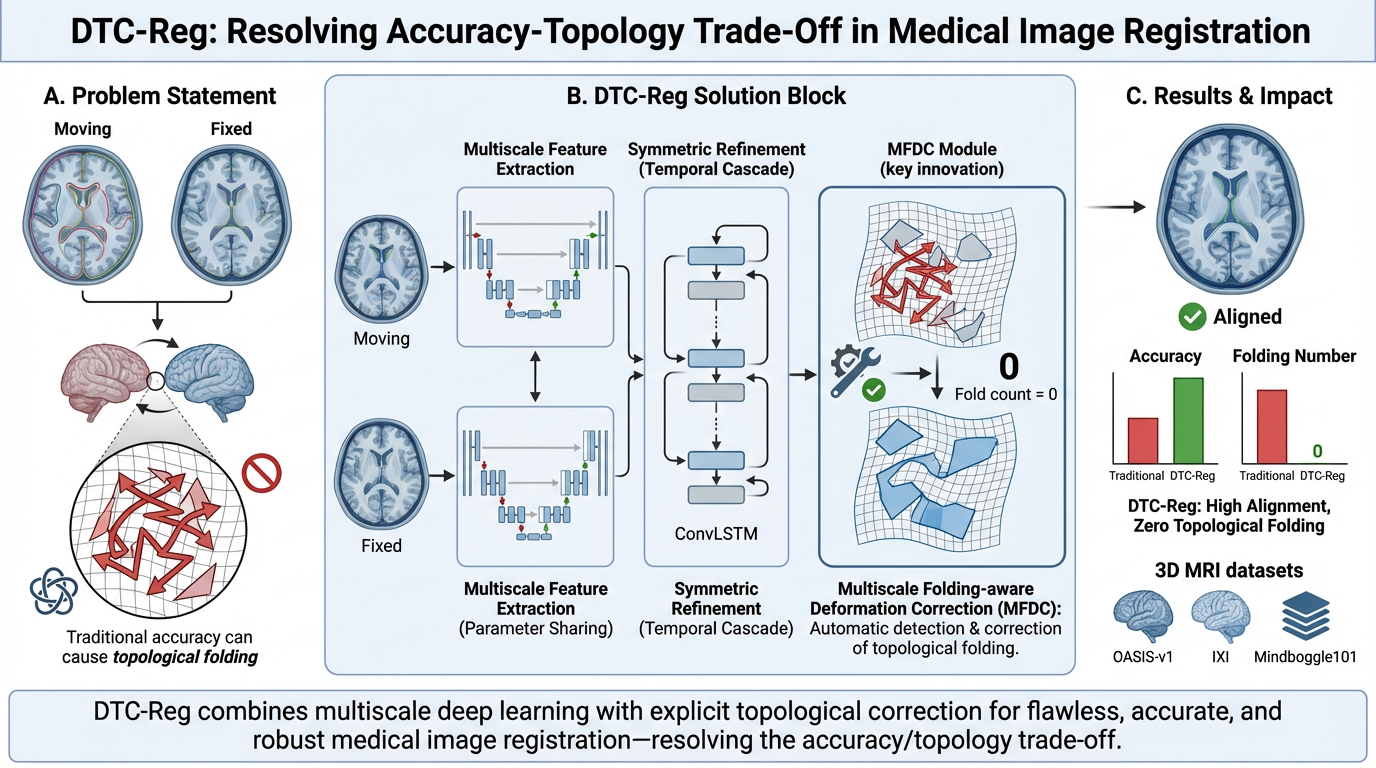 (2026). An effective deep learning algorithm for medical image registration. PLOS Digit. Health, 5(4):e0001339. DOI: 10.1371/journal.pdig.0001339.
 - (2025). Precision TAVR quantification- AI-accelerated TAVR planning reduces assessment time by 80% in bicuspid aortic stenosis. Eur. Heart J. Imaging Methods Pract., 3(4):qyaf153. DOI: 10.1093/ehjimp/qyaf153.
-
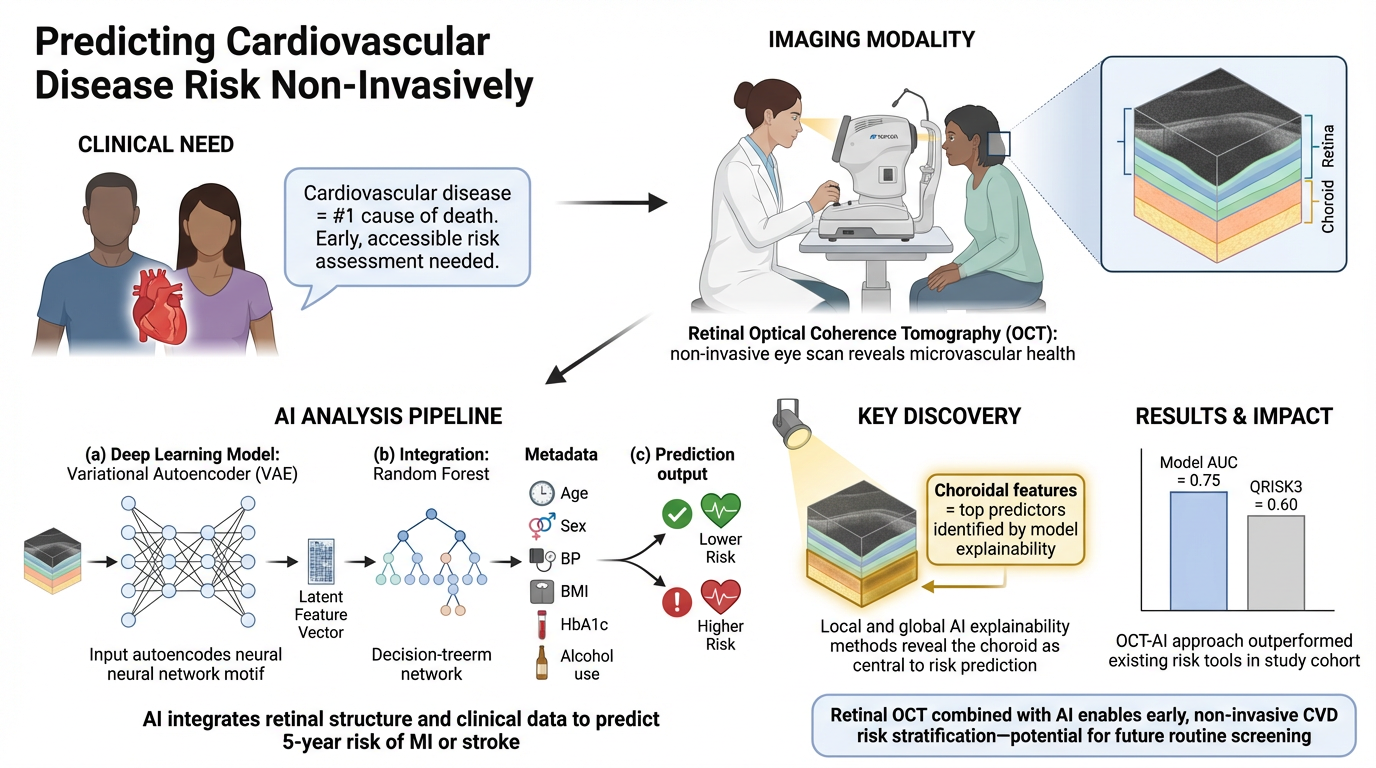 (2025). Predicting cardiovascular disease risk using retinal optical coherence tomography imaging. Front. Artif. Intell., 8:1624550. DOI: 10.3389/frai.2025.1624550.
 - (2025). Aortic Vessel Tree Segmentation for Cardiovascular Diseases Treatment: Status Quo. ACM Comput. Surv., 57(9):1–35. DOI: 10.1145/3728632.
- (2025). An End-to-End Deep Learning Generative Framework for Refinable Shape Matching and Generation. IEEE Trans. Med. Imaging, 44(8):3323–3344. DOI: 10.1109/TMI.2025.3562756.journals Funding: UK CEiRSIFunding: BHF COREFunding: MRRCFunding: NIHR BRCFunding: INSILICOFunding: INSILEX Bib
- (2025). Off-label in-silico flow diverter performance assessment in posterior communicating artery aneurysms. J Neurointerv Surg., 17(11):1160–1167. DOI: 10.1136/jnis-2024-022000.
- (2025). SegMorph: Concurrent Motion Estimation and Segmentation for Cardiac MRI Sequences. IEEE Trans Med Imaging., 44(9):3515–3528. DOI: 10.1109/tmi.2024.3435000.journals Funding: UK CEiRSIFunding: BHF COREFunding: MRRCFunding: NIHR BRCFunding: INSILICOFunding: INSILEX Bib
- (2025). Flip Learning: Weakly supervised erase to segment nodules in breast ultrasound. Med Image Anal, 102:103552. DOI: 10.1016/j.media.2025.103552.
- (2025). Key influencers in an aneurysmal thrombosis model: A sensitivity analysis and validation study. APL Bioeng, 9(1):016107. DOI: 10.1063/5.0223753.
- (2025). Pose-independent efficient gauge equivariant network for 3D mesh aneurysm segmentation. Neurocomputing., 639:130188. DOI: 10.1016/j.neucom.2025.130188.
-
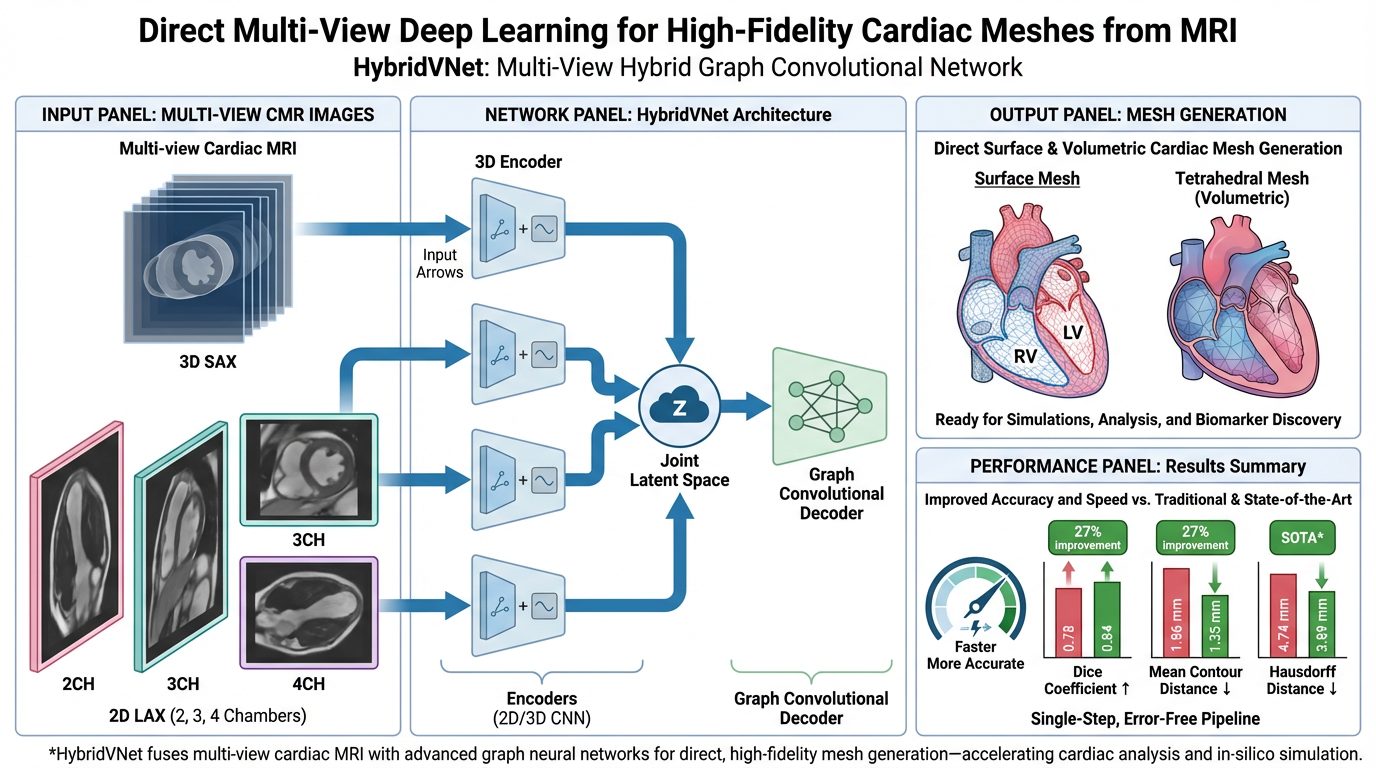 (2025). Multi-view Hybrid Graph Convolutional Network for Volume-to-mesh Reconstruction in Cardiovascular MRI. Med Image Anal, 104:103630. DOI: 10.1016/j.media.2025.103630.
 -
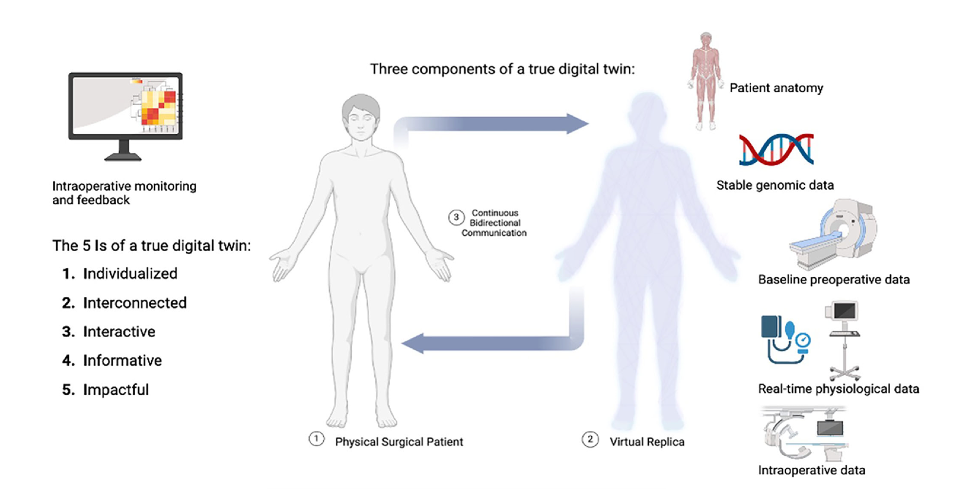 (2025). Digital twins for the era of personalized surgery. NPJ Digit Med, 8(1):283. DOI: 10.1038/s41746-025-01575-5.
 -
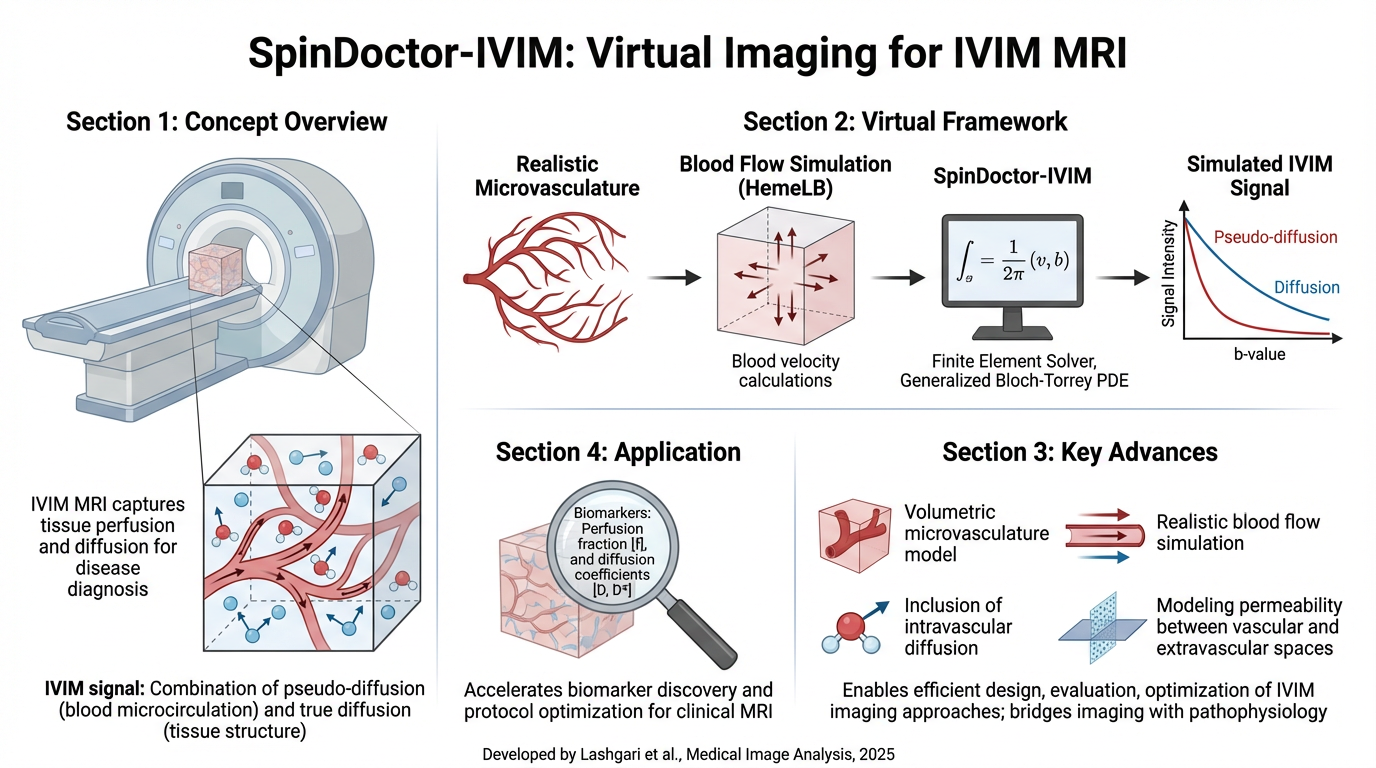 (2025). SpinDoctor-IVIM: A virtual imaging framework for intravoxel incoherent motion MRI. Med Image Anal., 99:103369. DOI: 10.1016/j.media.2024.103369.
 - (2024). Towards widespread use of virtual trials in medical imaging innovation and regulatory science. Med Phys., 51(12):9394–9404. DOI: 10.1002/mp.17442.
-
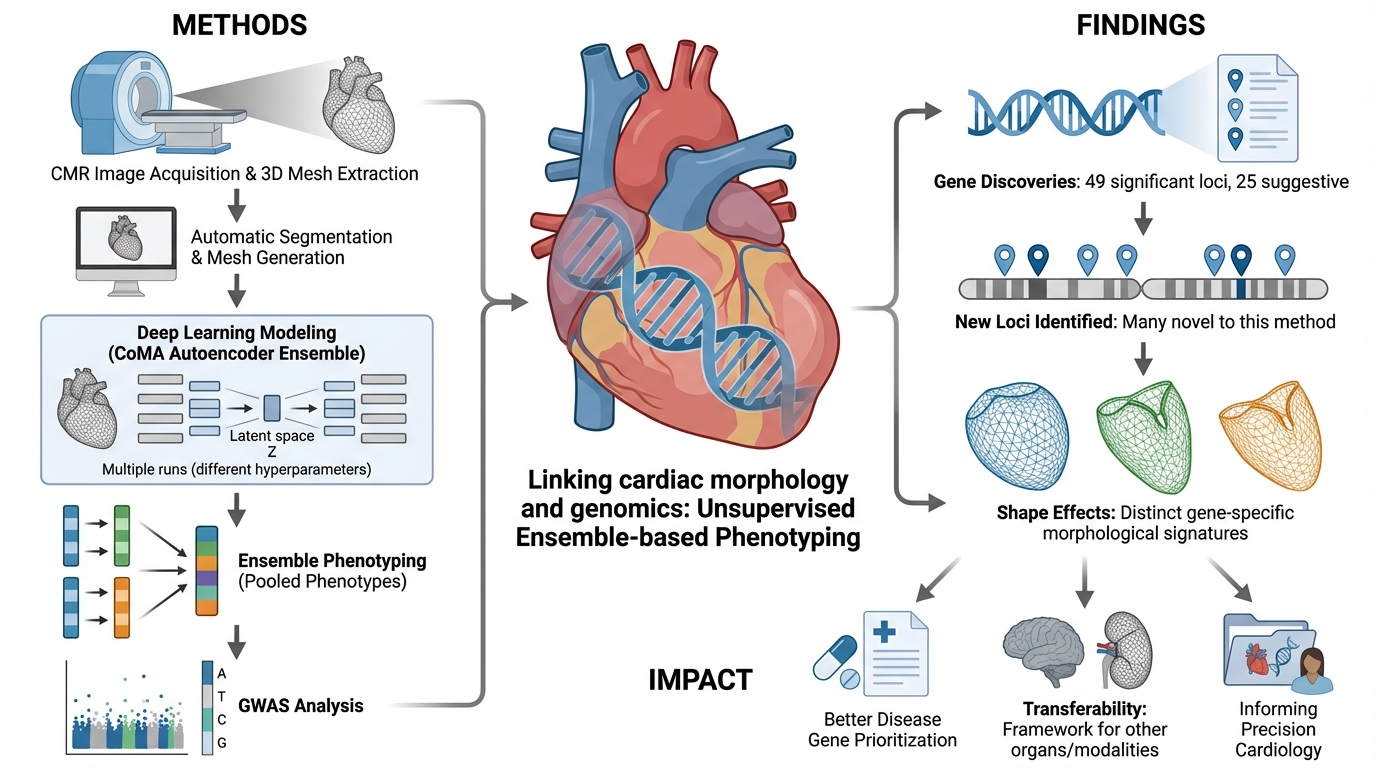 (2024). Unsupervised ensemble-based phenotyping enhances gene discoverability in imaging genetics: new associations from left-ventricular morphology. Nature Mach. Intell., 6(3):291–306. DOI: 10.1038/s42256-024-00801-1.
 - (2024). Joint shape/texture representation learning for cardiovascular disease diagnosis from MRI. Eur Heart J - Imag Meth Practice, 2(1):qyae042. DOI: 10.1093/ehjimp/qyae042.
- (2024). Accelerated simulation methodologies for computational vascular flow modelling. J R Soc Interface, 21:20230565. DOI: 10.1098/rsif.2023.0565.
- (2024). Reduced order modelling of intracranial aneurysm flow using proper orthogonal decomposition and neural networks. Int J Numer Meth Biomed Eng., 40(10):e3848. DOI: 10.1002/cnm.3848.
- (2024). Early Detection of Dementia through Retinal Imaging and Trustworthy AI. Nature Digit Med., 7(1):294. DOI: 10.1038/s41746-024-01292-5.
- (2024). Hip Implant Segmentation and Gruen Landmarks Detection. IEEE J Biomed Health Inform, 28(1):333–342. DOI: 10.1109/jbhi.2023.3323533.
 £2.163m


2022
-
NIHR Manchester Biomedical Research Centre (NIHR203308)
NIHR Biomedical Research Centre
Alejandro F. Frangi (Digital Infrastructure Lead)
- Real-World Clinical Phenomics
- Trial Ecosystems & Infrastructure
The NIHR Manchester Biomedical Research Centre (BRC) received a £59.1m award — the largest single research grant ever made by the NIHR to the city region — to translate scientific discoveries into new treatments, diagnostic tests, and medical technologies that will improve outcomes for patients in Greater Manchester and beyond.
CIMIM leads the BRC's Digital Infrastructure programme, contributing to the delivery of the Greater Manchester Secure Data Environment and the data-platform foundations that underpin the BRC's translational research themes.
Related publications
-
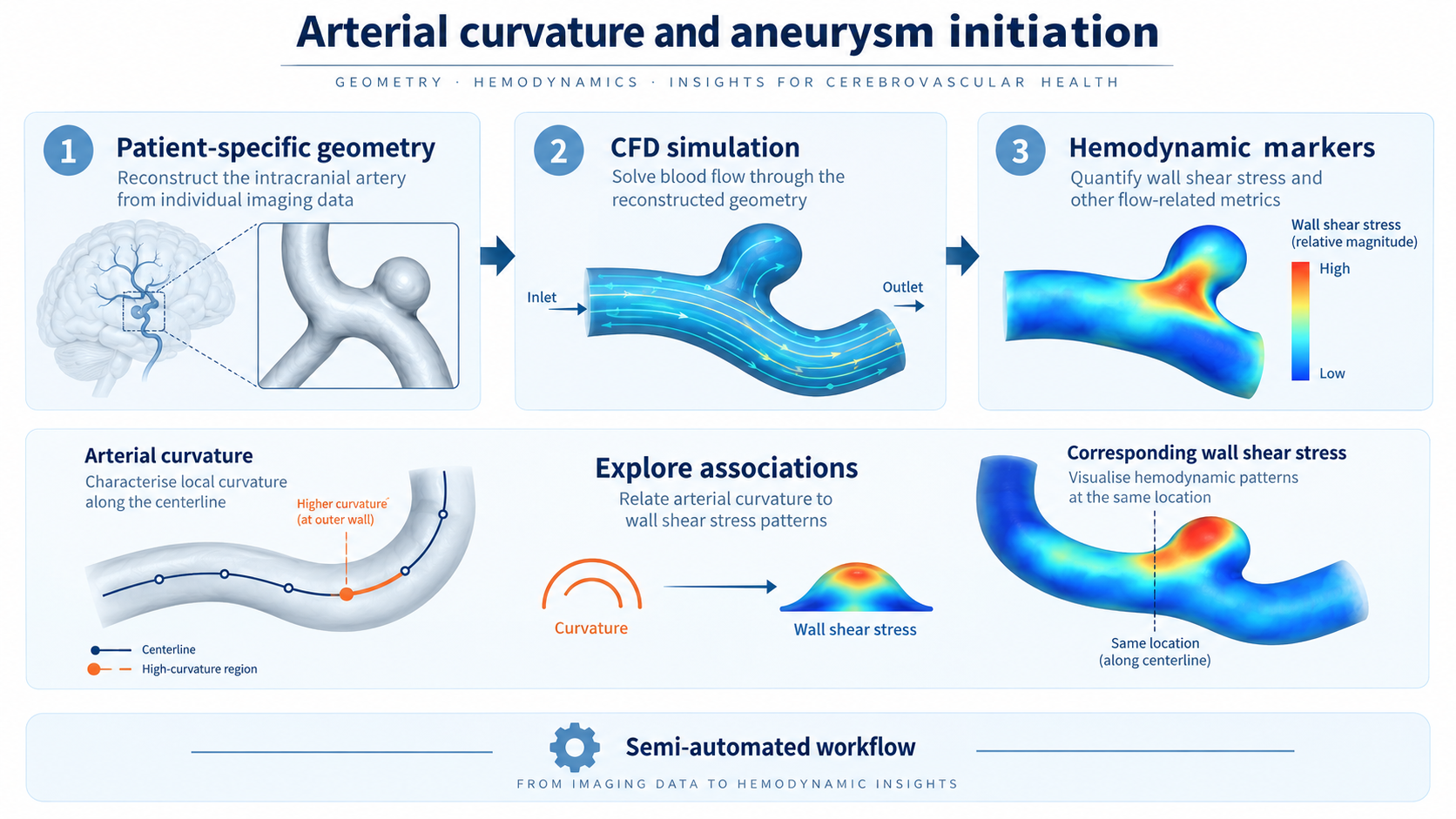 (2026). Automated hemodynamic modeling to explore arterial curvature effects on intracranial aneurysm initiation. Comput Methods Programs Biomed, 277:109245. DOI: 10.1016/j.cmpb.2026.109245.
 - (2025). Precision TAVR quantification- AI-accelerated TAVR planning reduces assessment time by 80% in bicuspid aortic stenosis. Eur. Heart J. Imaging Methods Pract., 3(4):qyaf153. DOI: 10.1093/ehjimp/qyaf153.
-
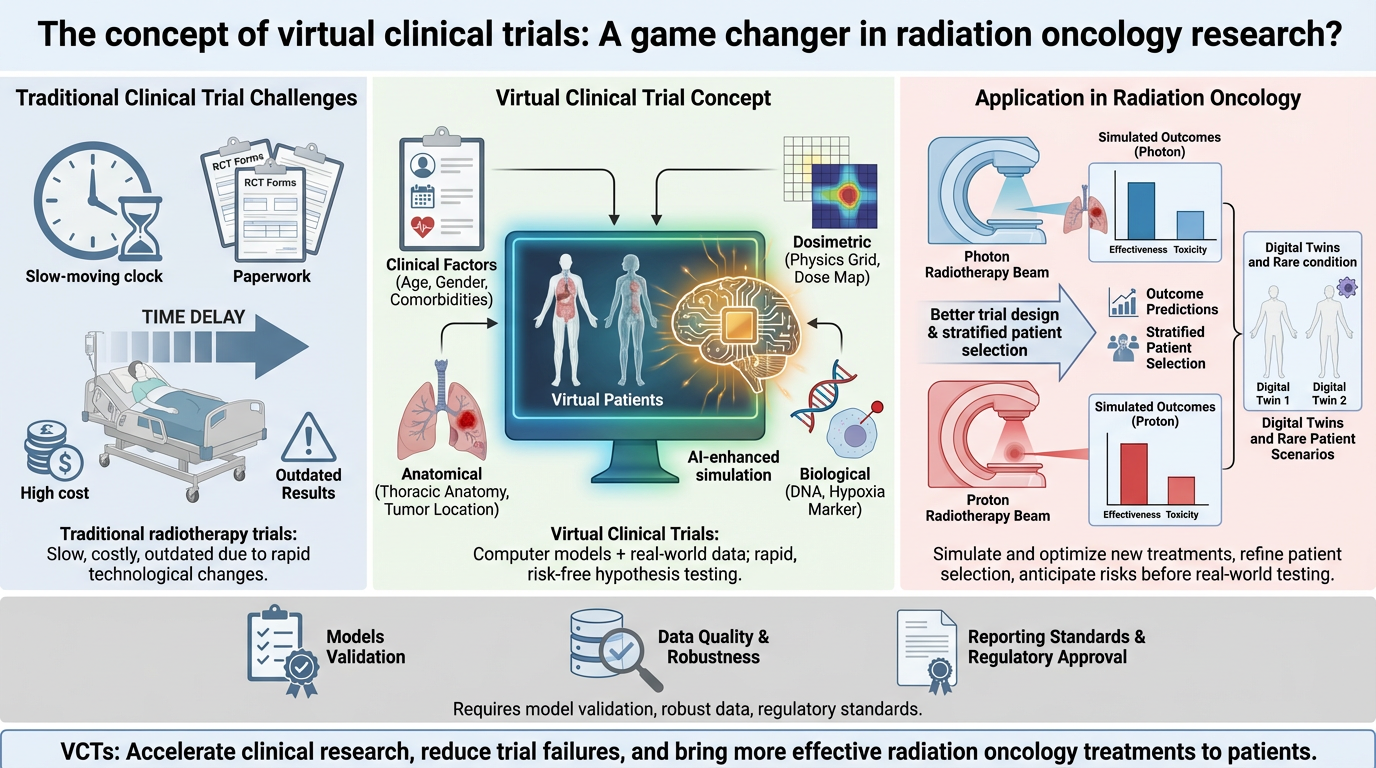 (2026). The concept of virtual clinical trials: A game changer in radiation oncology research?. Radiother. Oncol., 214:111264. DOI: 10.1016/j.radonc.2025.111264.
 - (2025). Aortic Vessel Tree Segmentation for Cardiovascular Diseases Treatment: Status Quo. ACM Comput. Surv., 57(9):1–35. DOI: 10.1145/3728632.
- (2025). An End-to-End Deep Learning Generative Framework for Refinable Shape Matching and Generation. IEEE Trans. Med. Imaging, 44(8):3323–3344. DOI: 10.1109/TMI.2025.3562756.journals Funding: UK CEiRSIFunding: BHF COREFunding: MRRCFunding: NIHR BRCFunding: INSILICOFunding: INSILEX Bib
- (2025). SegMorph: Concurrent Motion Estimation and Segmentation for Cardiac MRI Sequences. IEEE Trans Med Imaging., 44(9):3515–3528. DOI: 10.1109/tmi.2024.3435000.journals Funding: UK CEiRSIFunding: BHF COREFunding: MRRCFunding: NIHR BRCFunding: INSILICOFunding: INSILEX Bib
- (2025). Key influencers in an aneurysmal thrombosis model: A sensitivity analysis and validation study. APL Bioeng, 9(1):016107. DOI: 10.1063/5.0223753.
- (2025). Multi-view Hybrid Graph Convolutional Network for Volume-to-mesh Reconstruction in Cardiovascular MRI. Med Image Anal, 104:103630. DOI: 10.1016/j.media.2025.103630.
- (2024). Retinal imaging for the assessment of stroke risk: a systematic review. J Neurol., 271(5):2285–2297. DOI: 10.1007/s00415-023-12171-6.
 £59.1m
 -
STARTER-KIT: A technical, procedural and ethical template for accelerating the start-up of AI multicentre studies requiring data re-use and sharing in clinical settings (RRNIA-Feb22\100001)
Cancer Research UK Radiation Therapy Network
Alejandro F. Frangi (Principal Investigator)
- In Silico Trials & VVUQ
- Trial Ecosystems & Infrastructure
STARTER-KIT combines complementary research and expertise, developed separately as part of the CRUK-funded RadNet, ART-NET, and NCITA consortia and made available via newly designated CRUK Centres, to create an infrastructure template and worked examples for facilitating multicentre collaborative data-analytics projects.
£198k -
Innovation Launchpad Network (EP/W037009/1)
EPSRC Catapult-Academic Engagement Network Plus
Peter Osborne (Principal Investigator), Mimoun Azzouz (Co-Investigator), Fiona Charnley (Co-Investigator), Alejandro F. Frangi (Co-Investigator), Ben Hicks (Co-Investigator), Stephen McArthur (Co-Investigator), Ashutosh Tiwari (Co-Investigator)
- Trial Ecosystems & Infrastructure
The Innovation Launchpad Network aims to unify cross-disciplinary academic teams to work with the UK's nine Catapult Centres in areas like Net Zero, Healthcare & Wellbeing, and Resilience. It has wide geographical coverage across the UK and is supported by a Steering Panel to enhance expertise and collaboration. The initiative seeks to foster new technologies and methodologies, promoting a culture of inclusion and diversity, connecting academics with Catapult Centres to bridge gaps between academia and industry and encourage innovation and knowledge exchange.
£4.88m -
OncoEng— Oncological Engineering: A new concept in the treatment of bone metastases (EP/W007096/1)
EPSRC Programme Grant
Richard Hall (Principal Investigator), Gregory De Boer (Co-Investigator), Vishal Borse (Co-Investigator), Michael Bryant (Co-Investigator), Alejandro F. Frangi (Co-Investigator), Robert Hewson (Co-Investigator), Connor Myant (Co-Investigator), Nicholas Ovenden (Co-Investigator), Anthony Redmond (Co-Investigator), Paul Robinson (Co-Investigator), Matthew Santer (Co-Investigator), Rebecca Shipley (Co-Investigator), Jake Timothy (Co-Investigator), Simon Walker-Samuel (Co-Investigator)
- Real-World Clinical Phenomics
- Physiology & Disease Modelling
OncoEng adopts a patient-centric methodology, forecasting vertebral failures caused by tumours to guide treatment decisions. The programme uses sophisticated computational modelling and imaging to predict vertebral integrity over time, and develops minimally invasive, custom implants to reinforce at-risk vertebrae — minimising recovery time and discomfort.
Partners: University College London, Imperial College London, Airbus Group Ltd, ETH Zurich, Luleå University of Technology, Photocentric Ltd, Simulation Solutions, TOffeeAM Ltd, and the University of Florida.
£5.62m


2021
-
ROCHESTER— Quantification of free and bound water concentrations in human cortical bone using hybrid hard-tissue MRI: Towards Comprehensive Osteoporosis Assessment (H2020-MSCA-IF-2019-IIF-898530)
Marie Skłodowska-Curie Individual Fellowship (H2020)
Alejandro F. Frangi (Principal Investigator), Hamidreza Saligheh Rad (Fellow)
- Real-World Clinical Phenomics
A Marie Skłodowska-Curie International Incoming Fellowship, with Prof Frangi as host and mentor.
Fellow: Dr Hamidreza Saligheh Rad.
 €225k
€225k -
TUSCA— Transthoracic Ultrasound Coronary Angiography (EP/V04799X/1)
EPSRC Healthcare Innovation Partnership
Steven Freear (Principal Investigator), David Cowell (Co-Investigator), Alejandro F. Frangi (Co-Investigator), Alistair Hall (Co-Investigator), James McLaughlan (Co-Investigator), Roxy Senior (Co-Investigator), Mengxing Tang (Co-Investigator)
- Real-World Clinical Phenomics
A Healthcare Innovation Partnerships programme developing transthoracic ultrasound methods for coronary angiography.
Partners: Imperial College London, Acoustic, GE Healthcare, Grow MedTech, and Woodcliffe Associates.
Related publications
- (2024). Unsupervised ensemble-based phenotyping enhances gene discoverability in imaging genetics: new associations from left-ventricular morphology. Nature Mach. Intell., 6(3):291–306. DOI: 10.1038/s42256-024-00801-1.
- (2023). RecON: Online learning for sensorless freehand 3D ultrasound reconstruction. Med Image Anal., 87:102810. DOI: 10.1016/j.media.2023.102810.
£1.15m -
CROSSLINK: Computational phenomics for unravelling associative/causative links using image-based multi-phenotypes in diabetes in the UK Biobank (IES\NSFC\201380)
Royal Society International Exchanges (Cost Share Scheme)
Alejandro F. Frangi (Principal Investigator)
- Real-World Clinical Phenomics
A UK–China International Exchange programme.
Partners: Shenzhen University.
 £12k
£12k -
Learning novel deep multiscale representations of heart anatomy for cardiomics through graph neural networks (IES\R2\202165)
Royal Society International Exchanges Scheme
Alejandro F. Frangi (Principal Investigator)
- Real-World Clinical Phenomics
A UK–Argentina International Exchange programme.
Related publications
- (2025). Multi-view Hybrid Graph Convolutional Network for Volume-to-mesh Reconstruction in Cardiovascular MRI. Med Image Anal, 104:103630. DOI: 10.1016/j.media.2025.103630.
£12k
2020
-
Cardio-X— From cardiac imaging to integrated quantitative patient reports for Precision Cardiology within LTHT (POC041)
Grow MedTech Proof of Concept Award
Alejandro F. Frangi (Principal Investigator)
- Real-World Clinical Phenomics
This project demonstrated the technical feasibility and commercial viability of scale-based quantitative cardiac image analysis. Preliminary work analysed 32k UK Biobank subjects, benchmarked against 5k manually annotated cases. The prototype was deployed in a test environment within NHS Leeds Teaching Hospitals Trust through a co-development process involving clinicians, clinical imaging experts, patients, and members of the public.
Related publications
-
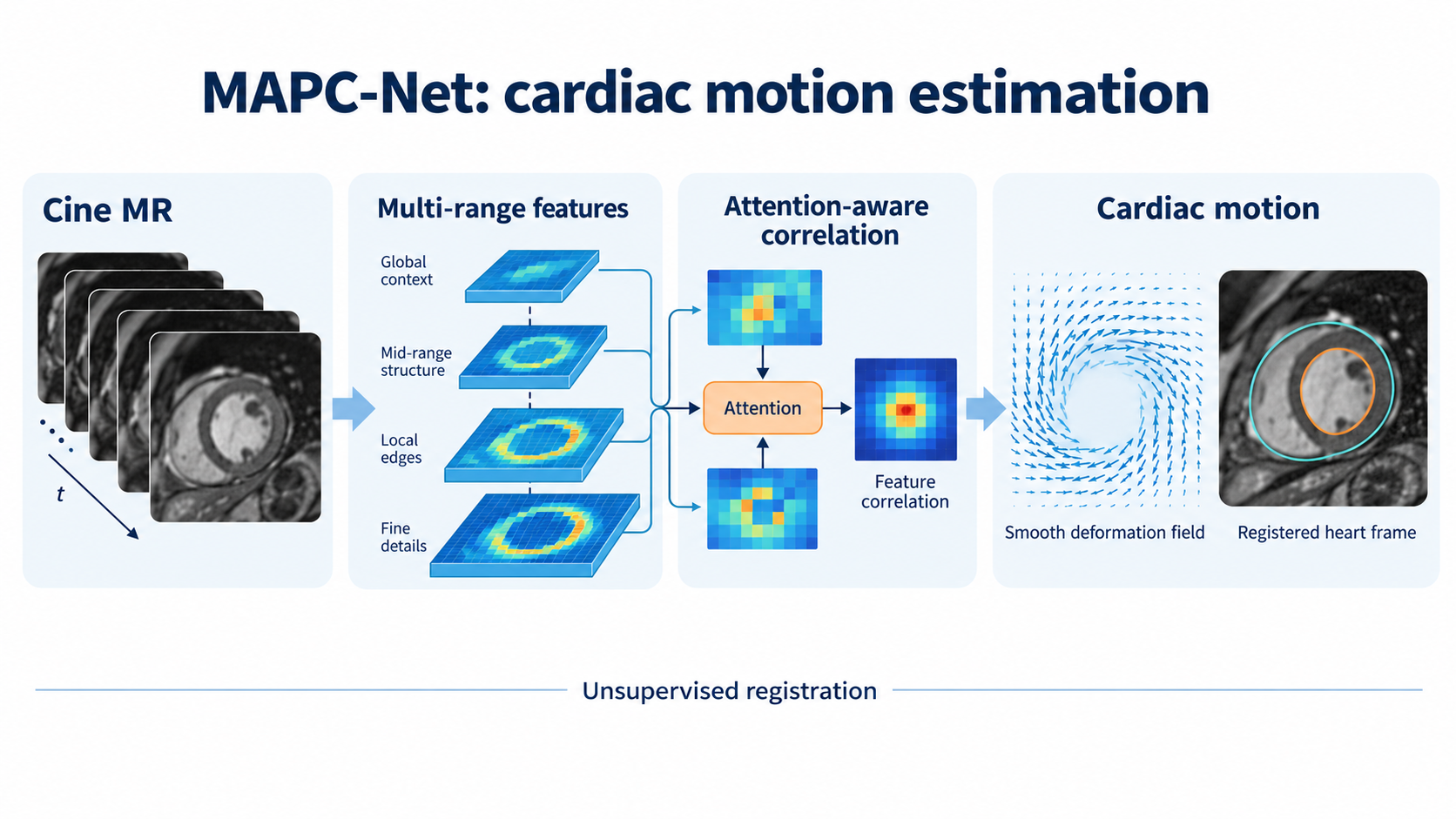 (2026). Multi-attention-aware motion estimation for cardiac MR imaging based on a feature pyramid network. Biomed Signal Process Control, 118:109714. DOI: 10.1016/j.bspc.2026.109714.
 - (2022). A probabilistic deep motion model for unsupervised cardiac shape anomaly assessment. Med Image Anal., 75:e052887. DOI: 10.1016/j.media.2021.102276.
£89k

2019
-
Cancer Research UK Radiation Research Centre of Excellence at the University of Leeds (C19942/A28832)
Cancer Research UK Radiation Therapy Network
Alejandro F. Frangi (Co-Investigator)
- Trial Ecosystems & Infrastructure
CRUK invested £56m over five years to establish a critical mass of radiation research activity across seven UK locations, including Leeds. The Network grows the radiation research community through national and international multidisciplinary collaboration and develops the field's future leaders. The Leeds Centre focuses on personalised and adaptive radiotherapy, re-irradiation, and combining radiotherapy with novel therapies.
Related publications
- (2025). Development and External Validation of [18F]FDG PET-CT-Derived Radiomic Models for Prediction of Abdominal Aortic Aneurysm Growth Rate. Algorithms, 18(2):86. DOI: 10.3390/a18020086.
- (2023). Toxicity Prediction in Pelvic Radiotherapy Using Multiple Instance Learning and Cascaded Attention Layers.. IEEE J Biomed Health Inform., 27(4):1958-.1966. DOI: 10.1109/jbhi.2023.3238825.
- (2023). DragNet: learning-based deformable registration for realistic cardiac MR sequence generation from a single frame. Med Image Anal., 83:102678. DOI: 10.1016/j.media.2022.102678.
- (2022). Three-dimensional micro-structurally informed in silico myocardium– towards virtual imaging trials in cardiac diffusion-weighted MRI. Med Image Anal., 82:102592. DOI: 10.1016/j.media.2022.102592.
£3.5m -
CARDIOMICS— Novel cardiac phenotyping for population imaging and imaging genetics
IBM Research PhD Studentship
Alejandro F. Frangi (Principal Investigator), Rodrigo Bonazzola (PhD Student)
- Real-World Clinical Phenomics
A partially funded PhD studentship.
PhD student: Rodrigo Bonazzola.
 £60k
£60k -
INSILEX— Precision Computational Medicine for In Silico Trials of Medical Devices (CiET1819/19)
Royal Academy of Engineering Chair in Emerging Technologies
Alejandro F. Frangi (Chair Holder)
- Agentic Digital Twinning
- Physiology & Disease Modelling
- In Silico Trials & VVUQ
The Royal Academy of Engineering Chair in Emerging Technologies scheme identifies global research visionaries and provides them with long-term support to lead the development of emerging technology areas with high potential for economic and social benefit to the UK.
INSILEX is the flagship long-horizon programme that anchors much of CIMIM's research agenda, providing sustained capacity for foundational work on computational precision medicine and in silico trials of medical devices.
Related publications
- (2026). An effective deep learning algorithm for medical image registration. PLOS Digit. Health, 5(4):e0001339. DOI: 10.1371/journal.pdig.0001339.
-
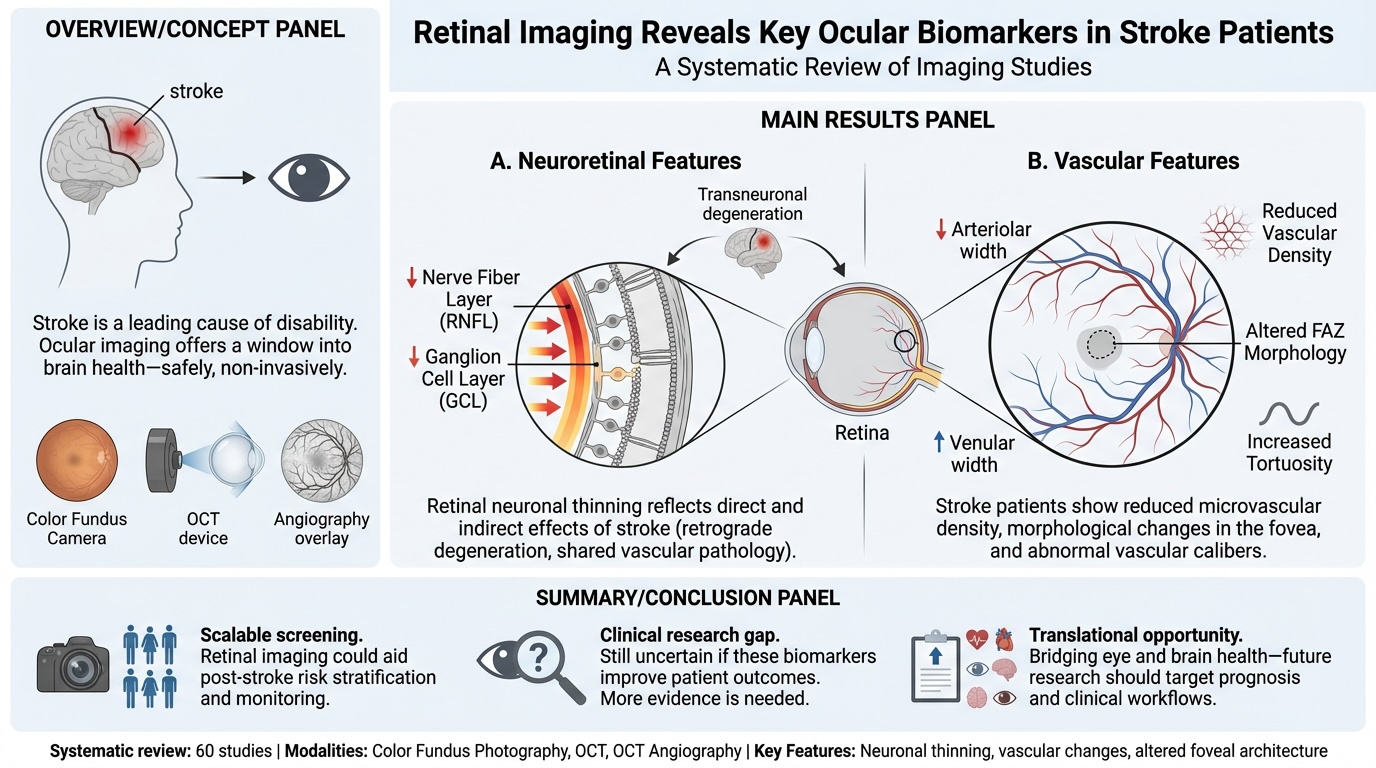 (2026). Ophthalmic Features in Stroke Patients: A Systematic Review of Imaging Studies. Curr. Eye Res., 51(7):752–763. DOI: 10.1080/02713683.2026.2649415.
 - (2026). Multi-attention-aware motion estimation for cardiac MR imaging based on a feature pyramid network. Biomed Signal Process Control, 118:109714. DOI: 10.1016/j.bspc.2026.109714.
- (2025). Precision TAVR quantification- AI-accelerated TAVR planning reduces assessment time by 80% in bicuspid aortic stenosis. Eur. Heart J. Imaging Methods Pract., 3(4):qyaf153. DOI: 10.1093/ehjimp/qyaf153.
- (2025). Predicting cardiovascular disease risk using retinal optical coherence tomography imaging. Front. Artif. Intell., 8:1624550. DOI: 10.3389/frai.2025.1624550.
-
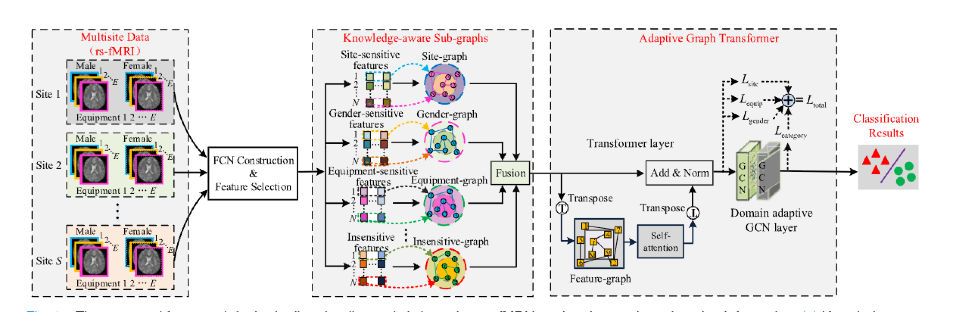 (2025). Knowledge-aware Multisite Adaptive Graph Transformer for Brain Disorder Diagnosis. IEEE Trans Med Imaging., 44(6):2370–2383. DOI: 10.1109/tmi.2024.3453419.
 - (2025). An End-to-End Deep Learning Generative Framework for Refinable Shape Matching and Generation. IEEE Trans. Med. Imaging, 44(8):3323–3344. DOI: 10.1109/TMI.2025.3562756.journals Funding: UK CEiRSIFunding: BHF COREFunding: MRRCFunding: NIHR BRCFunding: INSILICOFunding: INSILEX Bib
- (2025). Off-label in-silico flow diverter performance assessment in posterior communicating artery aneurysms. J Neurointerv Surg., 17(11):1160–1167. DOI: 10.1136/jnis-2024-022000.
- (2025). SegMorph: Concurrent Motion Estimation and Segmentation for Cardiac MRI Sequences. IEEE Trans Med Imaging., 44(9):3515–3528. DOI: 10.1109/tmi.2024.3435000.journals Funding: UK CEiRSIFunding: BHF COREFunding: MRRCFunding: NIHR BRCFunding: INSILICOFunding: INSILEX Bib
- (2025). Flip Learning: Weakly supervised erase to segment nodules in breast ultrasound. Med Image Anal, 102:103552. DOI: 10.1016/j.media.2025.103552.
- (2025). Key influencers in an aneurysmal thrombosis model: A sensitivity analysis and validation study. APL Bioeng, 9(1):016107. DOI: 10.1063/5.0223753.
- (2025). Digital twins for the era of personalized surgery. NPJ Digit Med, 8(1):283. DOI: 10.1038/s41746-025-01575-5.
-
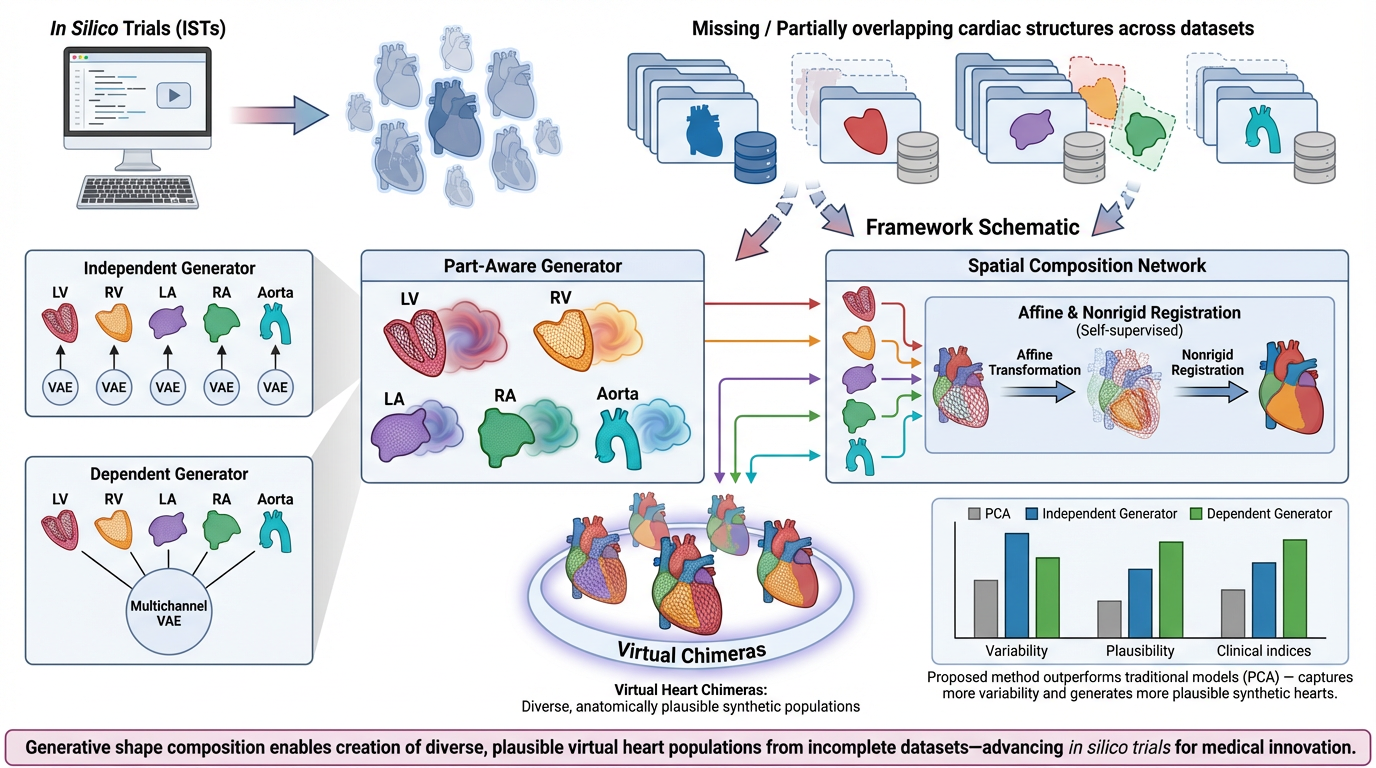 (2025). A Generative Shape Compositional Framework to Synthesize Populations of Virtual Chimeras. IEEE Trans Neural Netw Learn Syst., 36(3):4750–4764. DOI: 10.1109/tnnls.2024.3374121.
 - (2024). Towards widespread use of virtual trials in medical imaging innovation and regulatory science. Med Phys., 51(12):9394–9404. DOI: 10.1002/mp.17442.
- (2024). Unsupervised ensemble-based phenotyping enhances gene discoverability in imaging genetics: new associations from left-ventricular morphology. Nature Mach. Intell., 6(3):291–306. DOI: 10.1038/s42256-024-00801-1.
- (2024). Joint shape/texture representation learning for cardiovascular disease diagnosis from MRI. Eur Heart J - Imag Meth Practice, 2(1):qyae042. DOI: 10.1093/ehjimp/qyae042.
- (2024). Retinal imaging for the assessment of stroke risk: a systematic review. J Neurol., 271(5):2285–2297. DOI: 10.1007/s00415-023-12171-6.
- (2024). Accelerated simulation methodologies for computational vascular flow modelling. J R Soc Interface, 21:20230565. DOI: 10.1098/rsif.2023.0565.
- (2023). Measuring Cardiomyocyte Cellular Characteristics in Cardiac Hypertrophy using Diffusion-Weighted MRI. Magn Res Med., 90(5):2144–2157. DOI: 10.1002/mrm.29775.
- (2023). High-Throughput 3DRA Segmentation of Brain Vasculature and Aneurysms using Deep Learning. Comput Methods Programs Biomed, 230:107355. DOI: 10.1016/j.cmpb.2023.107355.
- (2023). Hemodynamics of thrombus formation in intracranial aneurysms: An in silico observational study. APL Bioeng, 7(3):036102. DOI: 10.1063/5.0144848.
- (2023). Multi-Center and Multi-Channel Pooling GCN for Early AD Diagnosis Based on Dual-Modality Fused Brain Network. IEEE Trans Med Imaging., 42(2):354–67. DOI: 10.1109/tmi.2022.3187141.
- (2022). Quantitating Age-Related BMD Textural Variation from DXA Region-Free-Analysis: A Study of Hip Fracture Prediction in Three Cohorts. J Bone Miner Res., 37(9):1679–1688. DOI: 10.1002/jbmr.4638.
- (2022). Discovery of Pre-Treatment FDG PET/CT-Derived Radiomics-Based Models for Predicting Outcome in Diffuse Large B-Cell. Cancers, 14(7):1711. DOI: 10.3390/cancers14071711.
- (2022). Parkinson’s Disease Classification and Clinical Score Regression via United Embedding and Sparse Learning from Longitudinal Data. IEEE Trans Neural Netw Learn Syst., 33(8):3357–3371. DOI: 10.1109/tnnls.2021.3052652.
- (2022). A probabilistic deep motion model for unsupervised cardiac shape anomaly assessment. Med Image Anal., 75:e052887. DOI: 10.1016/j.media.2021.102276.
- (2021). A Comparative Study of Spatio-Temporal U-Nets for Tissue Segmentation in Surgical Robotics. IEEE Trans Med Robotics Bionics., 3(1):53–63. DOI: 10.1109/tmrb.2021.3054326.
- (2021). Origami: Single-cell 3D shape dynamics oriented along the apico-basal axis of folding epithelia from fluorescence microscopy. PLoS Comp Biol., 17(11):e1009063. DOI: 10.1371/journal.pcbi.1009063.
-
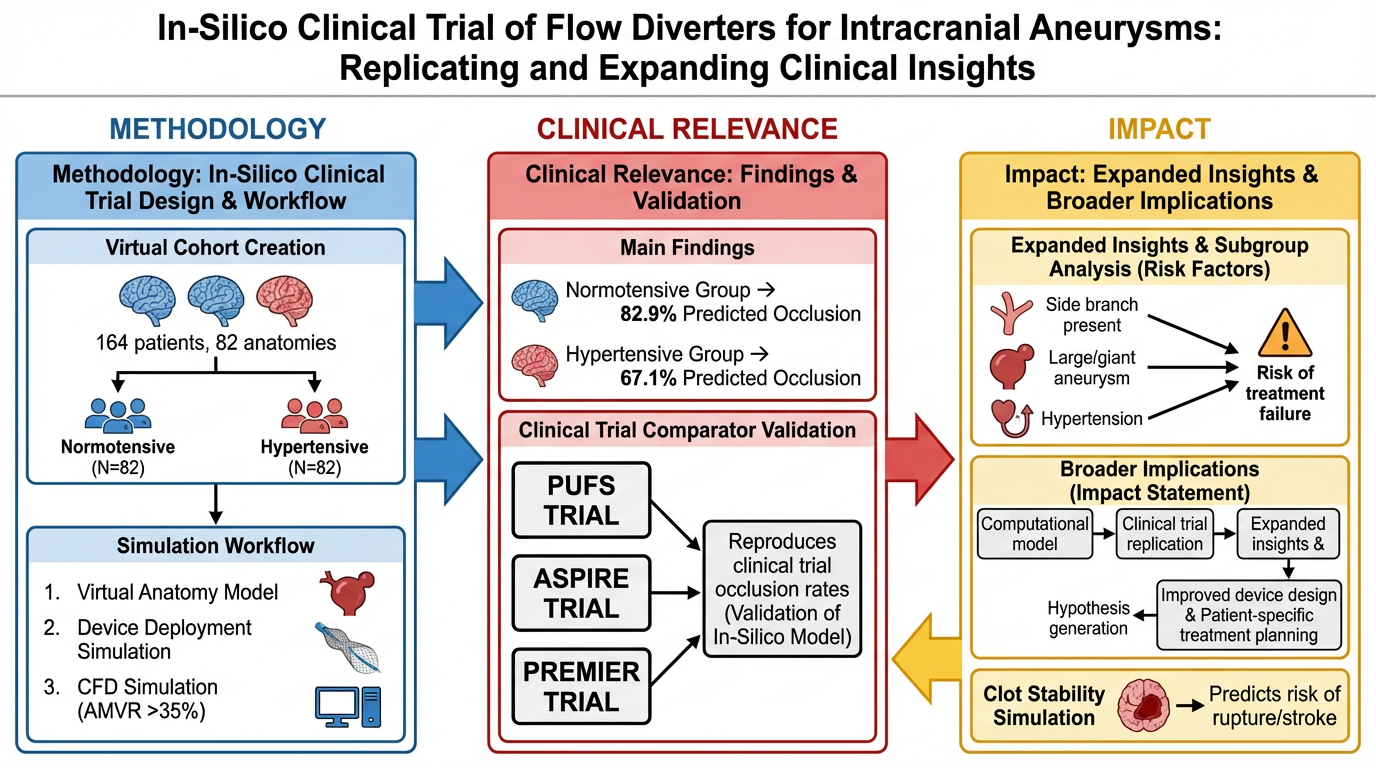 (2021). In-silico trial of intracranial flow diverters replicates and expands insights from conventional clinical trials: Supplementary material. Nat Comm., 12(1):3861. DOI: 10.1038/s41467-021-23998-w.
 - (2020). AIDAN: An Attention-guided Dual-path Network for Pediatric Echocardiography Segmentation. IEEE Access., 8(1):29176–29187. DOI: 10.1109/access.2020.2971383.
- (2020). The UK Biobank imaging enhancement of 100,000 participants: rationale, data collection, management and future directions.. Nat Comm., 11(1):2624–. DOI: 10.1038/s41467-020-15948-9.
 £2.69m


2018
-
BackUP— Personalised Prognostic Models to Improve Well-being and Return to Work After Neck and Low Back Pain (H2020-SC1-PM-17-2017-777090)
H2020 Research & Innovation Action
Helios de Rosario (Coordinator), Alejandro F. Frangi (Technical Coordinator)
- Real-World Clinical Phenomics
Consortium leader: Helios de Rosario, Instituto de Biomecánica de Valencia, Spain. Prof Frangi was Technical Coordinator and PI for the University of Leeds.
Partners: University of Leeds (UK), GMV (ES), Università degli Studi di Parma (IT), empirica (DE), NTNU (NO), Università degli Studi di Padova (IT), Roessingh Research and Development (NL), Genos (HR), Karolinska Institutet (SE), CIOP (PL), Keele University (UK), and MAZ Mutua de Seguros (ES).
Related publications
- (2020). The UK Biobank imaging enhancement of 100,000 participants: rationale, data collection, management and future directions.. Nat Comm., 11(1):2624–. DOI: 10.1038/s41467-020-15948-9.
 €5.1m
€5.1m -
BQ-MINDED— Breakthroughs in Quantitative Magnetic resonance ImagiNg for improved Detection of brain diseases (H2020-MSCA-ITN-2017-764513)
Marie Skłodowska-Curie Innovative Training Network (H2020)
Jan Sijbers (Coordinator), Alejandro F. Frangi (Co-Investigator)
- Real-World Clinical Phenomics
Consortium leader: Prof Jan Sijbers, University of Antwerp, Belgium. Prof Frangi was PI for the University of Leeds.
Partners: University of Antwerp (BE), Erasmus Medical Centre Rotterdam (NL), University of Leeds (UK), Jülich Forschungszentrum (DE), Siemens Healthineers (BE), MR Solutions (UK), Icometrix (BE), Quantib (NL), and Antwerp University Hospital (BE).
Related publications
- (2025). SpinDoctor-IVIM: A virtual imaging framework for intravoxel incoherent motion MRI. Med Image Anal., 99:103369. DOI: 10.1016/j.media.2024.103369.
€3.7m
2017
-
InSilc— In-silico trials for drug-eluting bioabsorbable vascular stents (BVS): design, development and evaluation (H2020-SC1-PM-16-2017-777119)
H2020 Research & Innovation Action
Dimitrios Fotiadis (Coordinator), Alejandro F. Frangi (Technical Coordinator)
- Physiology & Disease Modelling
- In Silico Trials & VVUQ
Consortium leader: Prof Dimitris Fotiadis, Foundation for Research and Technology Hellas, Greece. Prof Frangi was Technical Coordinator and PI for the University of Leeds.
Partners: University of Sheffield (UK), Erasmus University Medical Centre (NL), Politecnico di Milano (IT), CNRS (FR), Mediolanum Cardio Research (IT), FEOPS NV (BE), National University of Ireland (IE), BioIRC (RS), University of Ioannina (EL), Boston Scientific (IE), and Concord Inc (US).
Related publications
- (2025). Off-label in-silico flow diverter performance assessment in posterior communicating artery aneurysms. J Neurointerv Surg., 17(11):1160–1167. DOI: 10.1136/jnis-2024-022000.
- (2024). Accelerated simulation methodologies for computational vascular flow modelling. J R Soc Interface, 21:20230565. DOI: 10.1098/rsif.2023.0565.
- (2023). Hemodynamics of thrombus formation in intracranial aneurysms: An in silico observational study. APL Bioeng, 7(3):036102. DOI: 10.1063/5.0144848.
- (2020). AIDAN: An Attention-guided Dual-path Network for Pediatric Echocardiography Segmentation. IEEE Access., 8(1):29176–29187. DOI: 10.1109/access.2020.2971383.
- (2020). The UK Biobank imaging enhancement of 100,000 participants: rationale, data collection, management and future directions.. Nat Comm., 11(1):2624–. DOI: 10.1038/s41467-020-15948-9.
€5.8m -
VERDICT— Development and Evaluation of a Functional Prototype for the Automated Identification of Osteoporotic Vertebral Fractures (ARUK-21498)
Arthritis Research UK Proof of Concept
Alejandro F. Frangi (Principal Investigator)
- Real-World Clinical Phenomics
Collaborators: Mellanby Centre for Bone Research, University of Sheffield.
 €99k
€99k
2016
-
MedIAN— EPSRC-NIHR HTC Partnership Award 'Plus': Medical Image Analysis Network (EP/N026993/1)
EPSRC-NIHR HTC Partnership Award (Plus)
Alison Noble (Principal Investigator), Alejandro F. Frangi (Co-Investigator), Ben Glocker (Co-Investigator), Julia Schnabel (Co-Investigator), Tom Vercauteren (Co-Investigator)
- Real-World Clinical Phenomics
- Trial Ecosystems & Infrastructure
Network PI: Prof Alison Noble, University of Oxford. Prof Frangi was PI for the University of Sheffield.
Partners: University of Leeds, Imperial College London, King's College London, and University College London.
Related publications
- (2026). Multi-attention-aware motion estimation for cardiac MR imaging based on a feature pyramid network. Biomed Signal Process Control, 118:109714. DOI: 10.1016/j.bspc.2026.109714.
- (2022). Automatic 3D+t Four-Chamber CMR Quantification of the UK Biobank: integrating imaging and non-imaging data priors at scale. Med Image Anal., 80:102498. DOI: 10.1016/j.media.2022.102498.
- (2021). Deep learning in medical image registration. Prog. Biomed. Eng., 3:012003. DOI: 10.1088/2516-1091/abd37c.
- (2021). Origami: Single-cell 3D shape dynamics oriented along the apico-basal axis of folding epithelia from fluorescence microscopy. PLoS Comp Biol., 17(11):e1009063. DOI: 10.1371/journal.pcbi.1009063.
- (2021). Interdisciplinary research: shaping the healthcare of the future. Future Healthc J., 8(2):e218–e223. DOI: 10.7861/fhj.2021-0025.
- (2020). Groupwise Registration with Global-local Graph Shrinkage in Atlas Construction.. Med Image Anal., 64:101711. DOI: 10.1016/j.media.2020.101711.
- (2020). Population-specific modelling of between/within-subject flow variability in the carotid arteries of the elderly.. Int J Num Meth Biomed Eng., 36(1):e3271. DOI: 10.1002/cnm.3271.
- (2020). Self-calibrated Brain Network Estimation and Joint Non-Convex Multi-Task Learning for Identification of Early Alzheimer’s Disease. Med Image Anal., 61:101652. DOI: 10.1016/j.media.2020.101652.
- (2020). The UK Biobank imaging enhancement of 100,000 participants: rationale, data collection, management and future directions.. Nat Comm., 11(1):2624–. DOI: 10.1038/s41467-020-15948-9.
- (2020). Radiomics-based assessment of Primary Sjögren’s Syndrome from salivary gland ultrasonography images.. IEEE J Biomed Health Inform., 24(3):835–843. DOI: 10.1109/jbhi.2019.2923773.
- (2020). Tensor-cut: A Tensor-based Graph-cut Blood Vessel Segmentation Method and Its Application to Renal Artery Segmentation. Med Image Anal., 60:101623. DOI: 10.1016/j.media.2019.101623.
- (2020). Recovering from Missing Data in Population Imaging - Cardiac MR Image Imputation via Conditional Generative Adversarial Nets. Med Image Anal., 67:101812. DOI: 10.1016/j.media.2020.101812.
£507,583
2015
-
STORMING— Simultaneous de-noising and non-rigid registration for medical imaging (IE141258)
Royal Society International Exchanges Scheme
Alejandro F. Frangi (Principal Investigator)
- Real-World Clinical Phenomics
A UK–China International Exchange programme.
£12k -
OCEAN— One-stop-shop microstructure-sensitive perfusion/diffusion MRI: Application to vascular cognitive impairment (EP/M006328/1)
EPSRC Standard Grant
Alejandro F. Frangi (Principal Investigator), Leandro Beltrachini (Co-Investigator), John Highley (Co-Investigator), Paul Ince (Co-Investigator), Derek Jones (Co-Investigator), Aneurin Kennerley (Co-Investigator), Geoff Parker (Co-Investigator), Zeike Taylor (Co-Investigator), Annalena Venneri (Co-Investigator), Iain Wilkinson (Co-Investigator)
- Real-World Clinical Phenomics
Partners: University of Manchester and Cardiff University.
Related publications
- (2022). Three-dimensional micro-structurally informed in silico myocardium– towards virtual imaging trials in cardiac diffusion-weighted MRI. Med Image Anal., 82:102592. DOI: 10.1016/j.media.2022.102592.
- (2020). Self-calibrated Brain Network Estimation and Joint Non-Convex Multi-Task Learning for Identification of Early Alzheimer’s Disease. Med Image Anal., 61:101652. DOI: 10.1016/j.media.2020.101652.
£1.3m
2014
-
BALMORAL— Variational Basis Learning for Statistical Motion Atlases: Application to Quantitative Dynamic Cardiac Imaging (FP7-PEOPLE-2013-IIF-625745)
Marie Skłodowska-Curie Individual Fellowship (FP7)
Alejandro F. Frangi (Principal Investigator), Ali Gooya (Fellow)
- Real-World Clinical Phenomics
A Marie Skłodowska-Curie International Incoming Fellowship, with Prof Frangi as host and mentor.
Fellow: Dr Ali Gooya, subsequently Lecturer at the University of Sheffield.
€309k -
MedIAN— EPSRC-NIHR HTC Partnership Award: Medical Image Analysis Network (EP/M000133/1)
EPSRC-NIHR HTC Partnership Award
Alison Noble (Principal Investigator), Alejandro F. Frangi (Co-Investigator), Julia Schnabel (Co-Investigator)
- Real-World Clinical Phenomics
- Trial Ecosystems & Infrastructure
Network PI: Prof Alison Noble, University of Oxford. Prof Frangi was PI for the University of Sheffield.
Partners: University of Sheffield, Imperial College London, King's College London, and University College London.
Related publications
- (2020). Population-specific modelling of between/within-subject flow variability in the carotid arteries of the elderly.. Int J Num Meth Biomed Eng., 36(1):e3271. DOI: 10.1002/cnm.3271.
- (2020). Self-calibrated Brain Network Estimation and Joint Non-Convex Multi-Task Learning for Identification of Early Alzheimer’s Disease. Med Image Anal., 61:101652. DOI: 10.1016/j.media.2020.101652.
- (2020). Radiomics-based assessment of Primary Sjögren’s Syndrome from salivary gland ultrasonography images.. IEEE J Biomed Health Inform., 24(3):835–843. DOI: 10.1109/jbhi.2019.2923773.
- (2020). Tensor-cut: A Tensor-based Graph-cut Blood Vessel Segmentation Method and Its Application to Renal Artery Segmentation. Med Image Anal., 60:101623. DOI: 10.1016/j.media.2019.101623.
£151k -
MindNet— EPSRC-NIHR HTC Partnership Award: Partnership with the MindTech HTC (EP/M000346/1)
EPSRC-NIHR HTC Partnership Award
Chris Taylor (Principal Investigator), John Ainsworth (Co-Investigator), Alejandro F. Frangi (Collaborator)
- Trial Ecosystems & Infrastructure
Network PI: Prof Chris Taylor, University of Manchester.
Partners: University of Nottingham, University of Sheffield, University of Lancaster, and University of York.
£151k
2013
-
VPH-DARE@IT— VPH Dementia Research Enabled by IT (FP7-ICT-2011-9-601055)
FP7 Integrated Project
Alejandro F. Frangi (Principal Investigator)
- Physiology & Disease Modelling
- Trial Ecosystems & Infrastructure
Partners: University of Oxford (UK), VTT Technical Research Centre (FI), ESI Group (FR), Advanced Simulation and Design (DE), University of Oslo (NO), Erasmus MC Rotterdam (NL), Klinik Hirslanden (CH), Philips Medical Systems (NL), ETH Zurich (CH), King's College London (UK), Philips Technologie (DE), Sheffield Teaching Hospitals NHS Foundation Trust (UK), University College London (UK), University of Eastern Finland (FI), Maastricht University (NL), Tomorrow Options Microelectronics (PT), Imperial College London (UK), and EIBIR (AT).
Related publications
- (2020). The UK Biobank imaging enhancement of 100,000 participants: rationale, data collection, management and future directions.. Nat Comm., 11(1):2624–. DOI: 10.1038/s41467-020-15948-9.
€13.3m -
MD-Paedigree— Model-Driven European Paediatric Digital Repository (FP7-ICT-2011-9-600932)
FP7 Integrated Project
Bruno Dallapiccola (Coordinator), Alejandro F. Frangi (Co-Investigator)
- Physiology & Disease Modelling
- Trial Ecosystems & Infrastructure
Partners: Ospedale Pediatrico Bambino Gesù (IT), University College London (UK), Istituto Giannina Gaslini (IT), Johns Hopkins University (US), KU Leuven (BE), VUmc (NL), UMC Utrecht (NL), Siemens AG (DE), BGI Europe (DK), Fraunhofer (DE), INRIA (FR), Motek Medical (NL), Siemens Corporation (US), TU Delft (NL), Sapienza Università di Roma (IT), University of Sheffield (UK), Maat France (FR), HES-SO (CH), Transilvania University of Brașov (RO), University of Athens (GR), empirica (DE), and Lynkeus (IT).
€11.9m
2011
-
eHealth Innovation— Scaling up eHealth-facilitated personalised health services: A European roadmap for sustained eHealth Innovation (CIP-ICT-PSP-2009-4)
CIP-ICT-PSP Thematic Network
Dipak Kalra (Coordinator), Alejandro F. Frangi (Co-Investigator)
- Trial Ecosystems & Infrastructure
Project PI: Prof Dipak Kalra, University College London. Prof Frangi was PI for Universitat Pompeu Fabra.
A thematic network of academic, clinical, industrial, and policy partners developing a European roadmap for sustained eHealth innovation.
€497k -
MySpine— Functional prognosis simulation of patient-specific spinal treatment for clinical use (FP7-ICT-2009-6-269909)
FP7 STREP Project
Damien Lacroix (Coordinator), Alejandro F. Frangi (Co-Investigator)
- Physiology & Disease Modelling
Project PI: Prof Damien Lacroix, Institute for Bioengineering of Catalonia. Prof Frangi was PI for Universitat Pompeu Fabra.
Partners: Institute for Bioengineering of Catalonia (ES), TU Eindhoven (NL), TU Vienna (AT), University of Technology of Compiègne (FR), Universitat Pompeu Fabra (ES), CETIR Grup Mèdic (ES), and the National Center for Spinal Disorders (HU).
€3.9m -
VPH-Share— Virtual Physiological Human: Structured Human Physiological Research Environment (FP7-ICT-2010-6-269978)
FP7 Integrated Project
Rod Hose (Coordinator), Alejandro F. Frangi (Co-Investigator)
- Physiology & Disease Modelling
- Trial Ecosystems & Infrastructure
Project PI: Prof Rod Hose, University of Sheffield. Prof Frangi was PI for Universitat Pompeu Fabra.
Partners: University of Sheffield (UK), AGH University (PL), Sheffield Teaching Hospitals NHS Foundation Trust (UK), Atos Origin (ES), University of Oxford (UK), Universitat Pompeu Fabra (ES), empirica (DE), SCS (IT), NHS Information Centre (UK), INRIA (FR), Istituto Ortopedico Rizzoli (IT), The Open University (UK), Philips (NL), TU Eindhoven (NL), University of Auckland (NZ), University of Amsterdam (NL), University College London (UK), University of Vienna (AT), AQuAS (ES), IBM Israel (IL), and Fundació Clínic per a la Recerca Biomèdica (ES).
€10.7m -
EndoTreat— Herramienta para el planeamiento de tratamiento endovascular de aneurismas intracraneales con coils (2010-VALOR-00064)
VALOR Programme (Talència)
Alejandro F. Frangi (Principal Investigator)
- Physiology & Disease Modelling
- In Silico Trials & VVUQ
Partners: Universitat Pompeu Fabra (ES) and Grupo Hospitalario Quirón (ES).
 €74.1k
 -
CardioSuite— Evaluación de la función cardíaca y aplicación a la planificación de terapias cardiovasculares (2010-VALOR-00130)
VALOR Programme (Talència)
Alejandro F. Frangi (Principal Investigator)
- Real-World Clinical Phenomics
Partners: Universitat Pompeu Fabra (ES) and Grupo Hospitalario Quirón (ES).
€76.1k -
VERTEX— VERtebral Extensive diagnosis based on X-ray images (RD10-1-0034)
Nuclis Cooperation (ACCIÓ)
Alejandro F. Frangi (Principal Investigator)
- Real-World Clinical Phenomics
Partners: CETIR Centre Mèdic (ES), UDIAT Centre Diagnòstic (ES), Innopro Global Services (ES), and Universitat Pompeu Fabra (ES).
€139k
2010
-
STIMATH— Análisis de imágenes de alto rendimiento mediante modelos estadísticos de forma, apariencia y deformación (TIN2009-14536-C02-01)
Plan Nacional de I+D+i
Alejandro F. Frangi (Principal Investigator)
- Real-World Clinical Phenomics
High-throughput image analysis using statistical models of shape, appearance, and deformation.
 €288k
€288k
2009
-
cvREMOD— Gestión de remodelado cardiovascular mediante interacción de tecnologías de monitorización ubicua y conceptos del humano fisiológico virtual (CEN-20091044)
CENIT Programme (CDTI)
Alejandro F. Frangi (Scientific Coordinator)
- Real-World Clinical Phenomics
- Physiology & Disease Modelling
A consortium of 10 companies and 10 academic institutions.
 €24.0m
 -
In silico modelling and simulation of a novel flow diverter
Industry Contract
Alejandro F. Frangi (Principal Contractor)
- Physiology & Disease Modelling
- In Silico Trials & VVUQ
 €10k
€10k -
MSV— Multiscale Spatiotemporal Visualisation: an open-source software library for the interactive visualisation of multiscale biomedical data (ICT-2009-248032)
FP7 STREP Project
Alessandro Chiarini (Coordinator), Alejandro F. Frangi (Co-Investigator)
- Trial Ecosystems & Infrastructure
Project PI: Alessandro Chiarini, B3C Srl. Prof Frangi was PI for Universitat Pompeu Fabra.
Partners: B3C Srl (IT), University of Bedfordshire (UK), Universitat Pompeu Fabra (ES), University of Auckland (NZ), and Kitware Inc (US).
€1m -
RICORDO— Researching Interoperability using Core Reference Datasets and Ontologies for the Virtual Physiological Human (ICT-2009-248502)
FP7 STREP Project
Bernard de Bono (Coordinator), Alejandro F. Frangi (Co-Investigator)
- Trial Ecosystems & Infrastructure
Project PI: Dr Bernard de Bono, European Bioinformatics Institute. Prof Frangi was PI for Universitat Pompeu Fabra.
Partners: EBI–EMBL (EU), University of Auckland (NZ), Universitat Pompeu Fabra (ES), University of Washington (US), Medical Research Council (UK), Technical University of Denmark (DK), University of Cambridge (UK), and Heriot-Watt University (UK).
€1m
2008
-
VPH-NoE— Virtual Physiological Human Network of Excellence (IST-2007-223920)
FP7 Network of Excellence
Peter Coveney (Coordinator), Alejandro F. Frangi (Co-Investigator)
- Physiology & Disease Modelling
- Trial Ecosystems & Infrastructure
Project PI: Prof Peter Coveney, University College London. Prof Frangi was PI for Universitat Pompeu Fabra.
A consortium of 12 European organisations led by University College London.
€8m -
euHeart— Personalised & Integrated Cardiac Care: Patient-specific Cardiovascular Modelling and Simulation for In Silico Disease Understanding & Management and for Medical Device Evaluation & Optimisation (IST-2007-224495)
FP7 Integrated Project
Jürgen Weese (Coordinator), Alejandro F. Frangi (Co-Investigator)
- Real-World Clinical Phenomics
- Physiology & Disease Modelling
Project PI: Dr Jürgen Weese, Philips Research Hamburg. Prof Frangi was PI for Universitat Pompeu Fabra.
A consortium of 17 European organisations led by Philips Research.
€13.9m
2007
-
Computational Analysis of Cerebral Aneurysm Evolution (R01 NS059063-01)
NIH R01 Research Grant
Juan R. Cebral (Principal Investigator), Alejandro F. Frangi (External Consultant)
- Physiology & Disease Modelling
Project PI: Prof Juan R. Cebral, George Mason University, United States.

-
TEAM— TEchnologies in Aneurysm Management
Industry Contract
Alejandro F. Frangi (Principal Contractor)
- Physiology & Disease Modelling
 €500k
€500k
2006
-
SERESHA— SEgmentation, dynamic REconstruction and SHape analysis of cerebral aneurysms
Industry Contract
Alejandro F. Frangi (Principal Contractor)
- Real-World Clinical Phenomics
€50k -
AHAWALL— Study of the Interaction of Wall Shear Stress and Cerebral Aneurysm Wall Compliance
AHA Research Grant
Juan R. Cebral (Principal Investigator), Alejandro F. Frangi (External Consultant)
- Physiology & Disease Modelling
Project PI: Prof Juan R. Cebral, George Mason University, United States.

-
Excellence Research Lab in Advanced Medical Image Computing
Excellence Research Lab Agreement
Alejandro F. Frangi (Principal Contractor)
- Real-World Clinical Phenomics
An agreement designating the Computational Imaging Lab an official Excellence Lab by Philips Ibérica.
-
Excellence Research Lab in Advanced Computing and Visualization
Excellence Research Lab Agreement
Alejandro F. Frangi (Principal Contractor)
- Trial Ecosystems & Infrastructure
An agreement designating the Computational Imaging Lab an official Excellence Lab by SGI.
-
@neurIST— Integrated Biomedical Informatics for the Management of Cerebral Aneurysms (IST-2004-027703)
FP6 Integrated Project
Alejandro F. Frangi (Principal Investigator)
- Physiology & Disease Modelling
- Trial Ecosystems & Infrastructure
A consortium of 27 European organisations and four non-European participants, developing an integrated biomedical-informatics infrastructure for the management of cerebral aneurysms.
Related publications
- (2025). Off-label in-silico flow diverter performance assessment in posterior communicating artery aneurysms. J Neurointerv Surg., 17(11):1160–1167. DOI: 10.1136/jnis-2024-022000.
- (2025). Key influencers in an aneurysmal thrombosis model: A sensitivity analysis and validation study. APL Bioeng, 9(1):016107. DOI: 10.1063/5.0223753.
- (2024). Accelerated simulation methodologies for computational vascular flow modelling. J R Soc Interface, 21:20230565. DOI: 10.1098/rsif.2023.0565.
- (2023). High-Throughput 3DRA Segmentation of Brain Vasculature and Aneurysms using Deep Learning. Comput Methods Programs Biomed, 230:107355. DOI: 10.1016/j.cmpb.2023.107355.
- (2023). Hemodynamics of thrombus formation in intracranial aneurysms: An in silico observational study. APL Bioeng, 7(3):036102. DOI: 10.1063/5.0144848.
- (2021). In-silico trial of intracranial flow diverters replicates and expands insights from conventional clinical trials: Supplementary material. Nat Comm., 12(1):3861. DOI: 10.1038/s41467-021-23998-w.
€12.6m -
CDTEAM— Consortium for the Development of Advanced Medical Imaging Technologies
CENIT Programme (CDTI)
Alejandro F. Frangi (Scientific Coordinator)
- Real-World Clinical Phenomics
A consortium of 10 companies and 10 academic institutions.
€15.8m -
CIBER-BBN— National Centre for Networked Biomedical Research in Bioengineering, Biomaterials and Nanomedicine (CB06/01/0061)
CIBER-BBN Networked Biomedical Research Centre
Alejandro F. Frangi (Co-Investigator)
- Trial Ecosystems & Infrastructure
A network of the top 36 Spanish groups in bioengineering, biomaterials, and nanomedicine. Prof Frangi directed the Universitat Pompeu Fabra node, supported by core funding of ~€110k per annum over the period.
 €110k / year
2003
-
Cooperation agreement in R&D on techniques for 3D facial biometry
R&D Cooperation Agreement
Alejandro F. Frangi (Principal Contractor)
 €45k
€45k -
Cooperation agreement on grid-computing applications in healthcare
Cooperation Agreement
Alejandro F. Frangi (Principal Contractor)
- Trial Ecosystems & Infrastructure
Supported through 128 free software licenses.
2002
-
Affine registration of 3D medical images based on mutual information normalised for radiotherapeutic applications
Industry Contract
Alejandro F. Frangi (Principal Contractor)
- Real-World Clinical Phenomics
 €24k
€24k