research
How we work, what motivates us, and a selection of our scientific highlights.
the problem
Medical technology is developing so quickly that it has outpaced our ability to test for safety and efficacy, delaying benefits to patients and healthcare systems. The regulatory process has become a bottleneck on the path from medical innovation to patient impact.
the opportunity
Scientific evidence generated by computer-based trials (aka in silico trials) of medical products is poised to transform how health science research and regulations are conducted. It can reduce, refine, and partially replace the need for laboratory tests, animal experiments, and human clinical trials. This enables faster, safer, and more cost-effective medical innovations that benefit patients and improve economic growth.
The UK can take a leadership position in in silico trials, cementing its position as a global leader in health and life sciences, helping drive the UK economy, and providing UK citizens with early access to innovative health products.
our approach
Our work lies at the crossroads of medical image analysis and modelling, with an emphasis on machine learning and computational physiology.
Through Computational Medicine, we advance healthcare by developing computational models of disease and personalising these models using complex, real-world patient data. By applying these models, we improve disease diagnosis and treatment as well as produce regulatory evidence of the safety and efficacy of medical products to tackle cardiovascular disease, musculoskeletal disorders, and cancer.
We use computational models of disease to:
- discover novel risk biomarkers
- predict disease progression
- design optimal treatments
- develop new medical devices
Explore our team, publications, and projects, or find out how to join us.
our expertise
Image-based physiological modelling
Modelling that respects physical and biological constraints, operating over multiple data sources, complex human anatomies, and multi-scale multi-physics problems.
Machine learning at scale
Advanced ML and deep learning over multi-modal, real-world datasets at scale — predicting virtual outcomes of medical products and accelerating mechanistic simulations of interventions.
Synthetic data & digital twins
Data-driven models of Virtual Patient Populations that represent meaningful variations of anatomy, physics, and physiology, consistent with target real populations.
Real-world case studies
Head-to-head comparisons between conventional randomised controlled trials and in silico trials, anchored on real industry-grade datasets.
International collaborative network
An international network of regulatory scientists from academia and industry, building shared standards and best practices for in silico regulatory science.
Commercial impact
A track record of patents, spin-off companies, research contracts with industry partners, and ongoing licensing of computational technologies.
research themes
Population of Virtual Patients & Participants
A statistical modelling/inference framework to create data-driven anatomy, physiology, and pathology models that mimic anthropomorphic populations and are statistically well-characterised for in silico trials.
Device Modelling & Device–Tissue Interactions
Computational models of existing and novel medical implants and imaging systems, plus mechanobiology models of device/organ interaction predicting long-term response and failure modes.
Efficient Virtual Experiments
Numerical schemes for highly efficient, accurate, massive-ensemble simulations of patient physiology and patient/medical-device interactions.
In silico Clinical Trials
Hypothesis-led in silico trials that raise awareness and credibility of this new regulatory and scientific evidence — and the modelling/simulation infrastructure to orchestrate them at scale.
These themes drive our flagship projects — explore INSILEX, INSILICO, and InSilicoUK (see also uk-ceirsi.org), or browse the full projects list and supporting funding.
scientific highlights
-
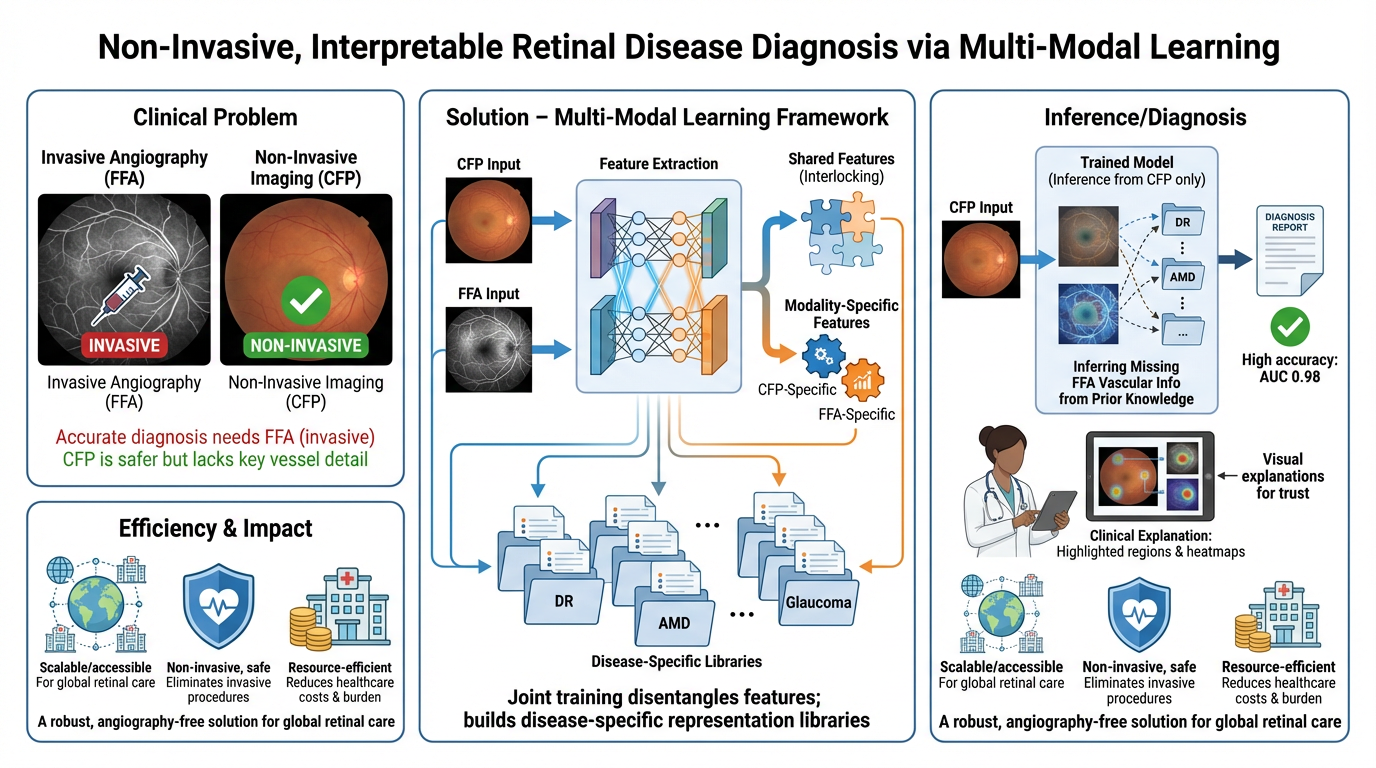
Diagnosing retinal disease without dye-based angiography
An interpretable multi-modal model that detects retinal disease from routine eye scans alone, replacing the need for invasive contrast imaging.
Read the paper -
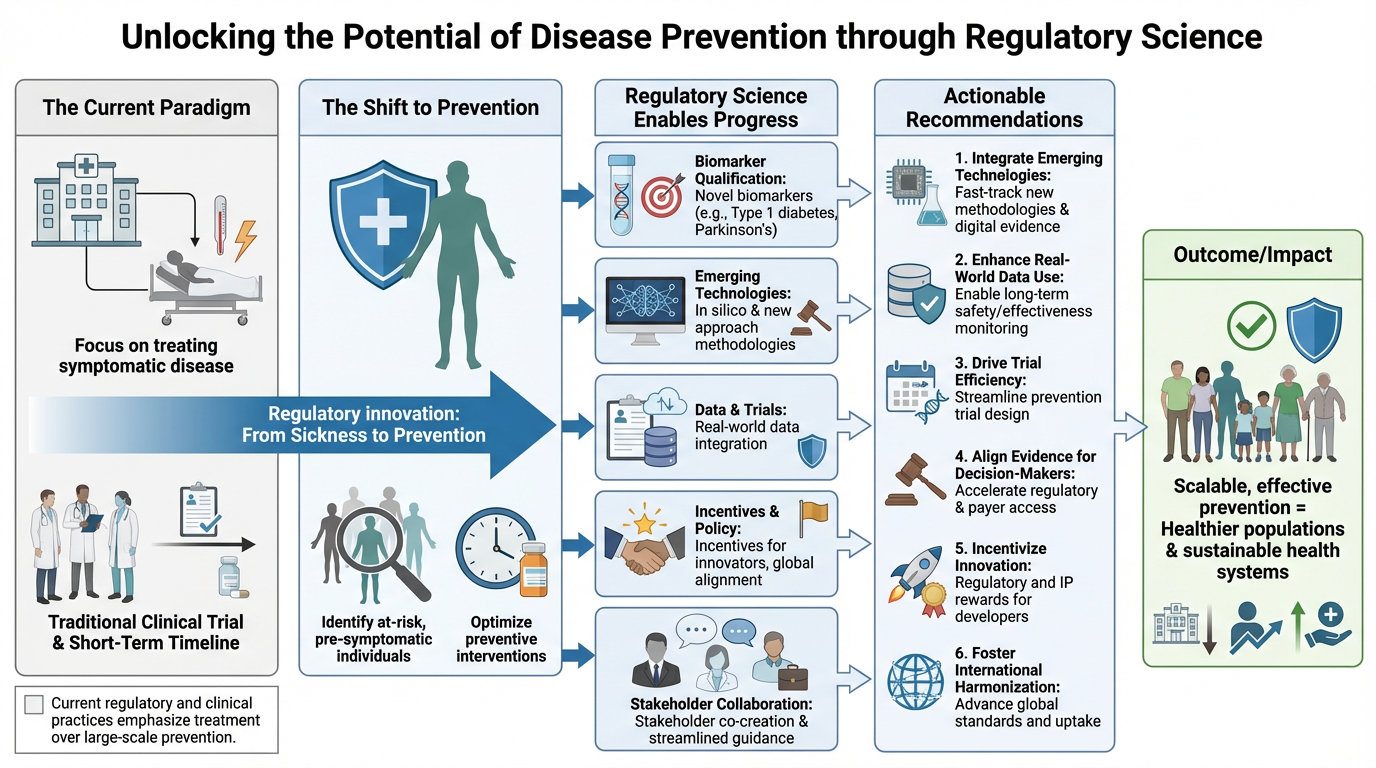
Regulatory science as a lever for disease prevention
A Nature Reviews Drug Discovery perspective on how modern regulatory science can accelerate the path from preventive interventions to patient benefit.
Read the paper -
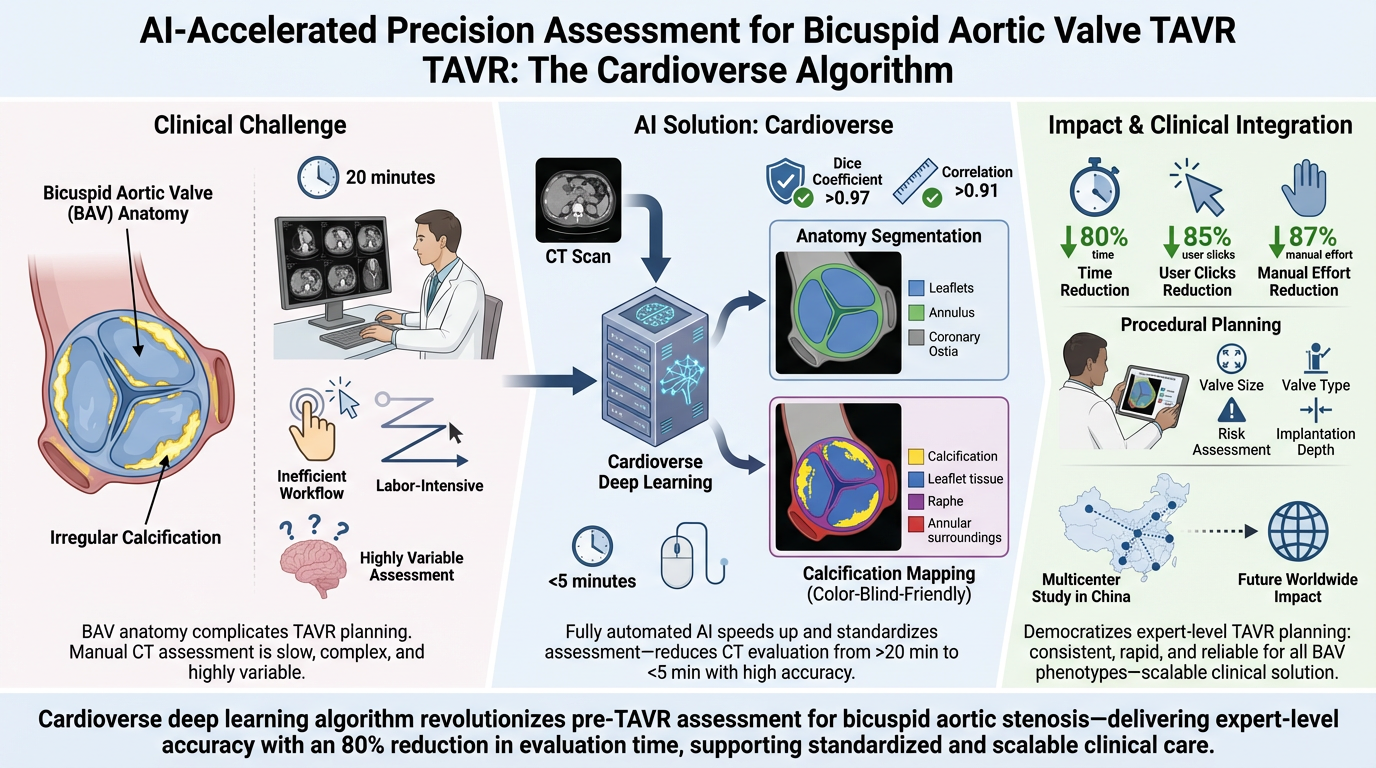
Cutting heart-valve planning time by 80% with AI
An AI workflow for TAVR planning in bicuspid aortic stenosis that delivers clinician-grade measurements in a fraction of the usual assessment time.
Read the paper -
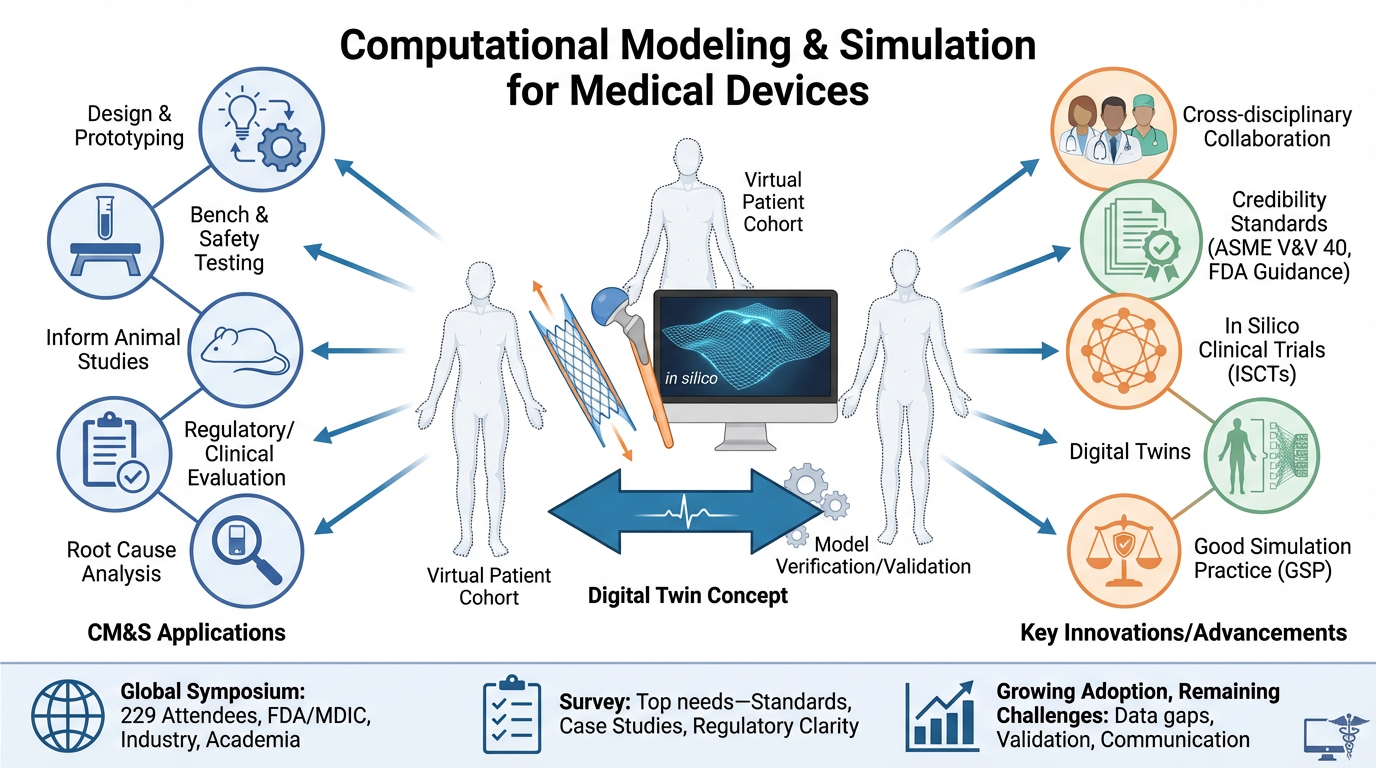
Shaping in silico evidence for medical devices with the FDA
A consensus summary from the 2024 FDA/MDIC symposium charting how computational modelling and simulation can underpin regulatory decisions for medical devices.
Read the paper -
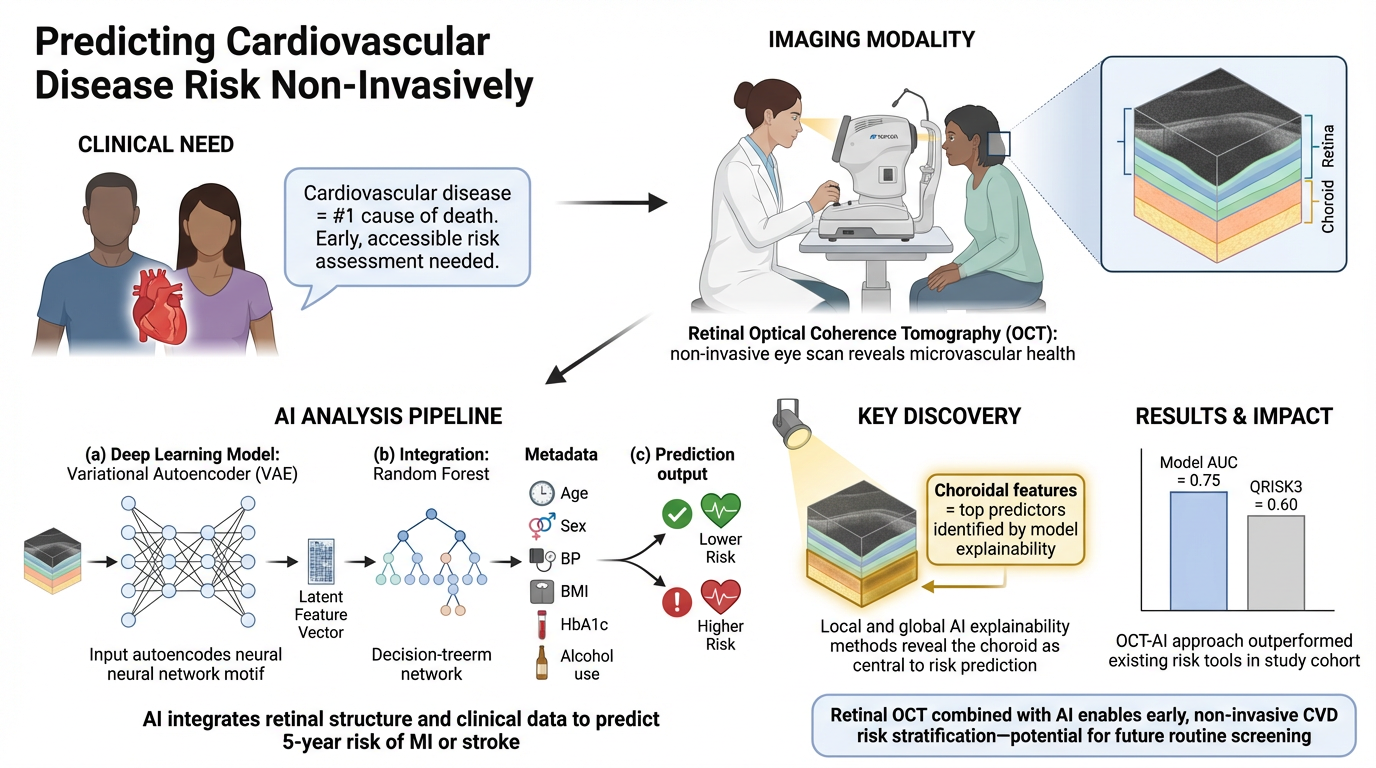
Reading cardiovascular risk in a routine eye scan
Deep-learning models that turn retinal OCT scans into a non-invasive readout of cardiovascular disease risk, bridging ophthalmology and cardiology.
Read the paper -
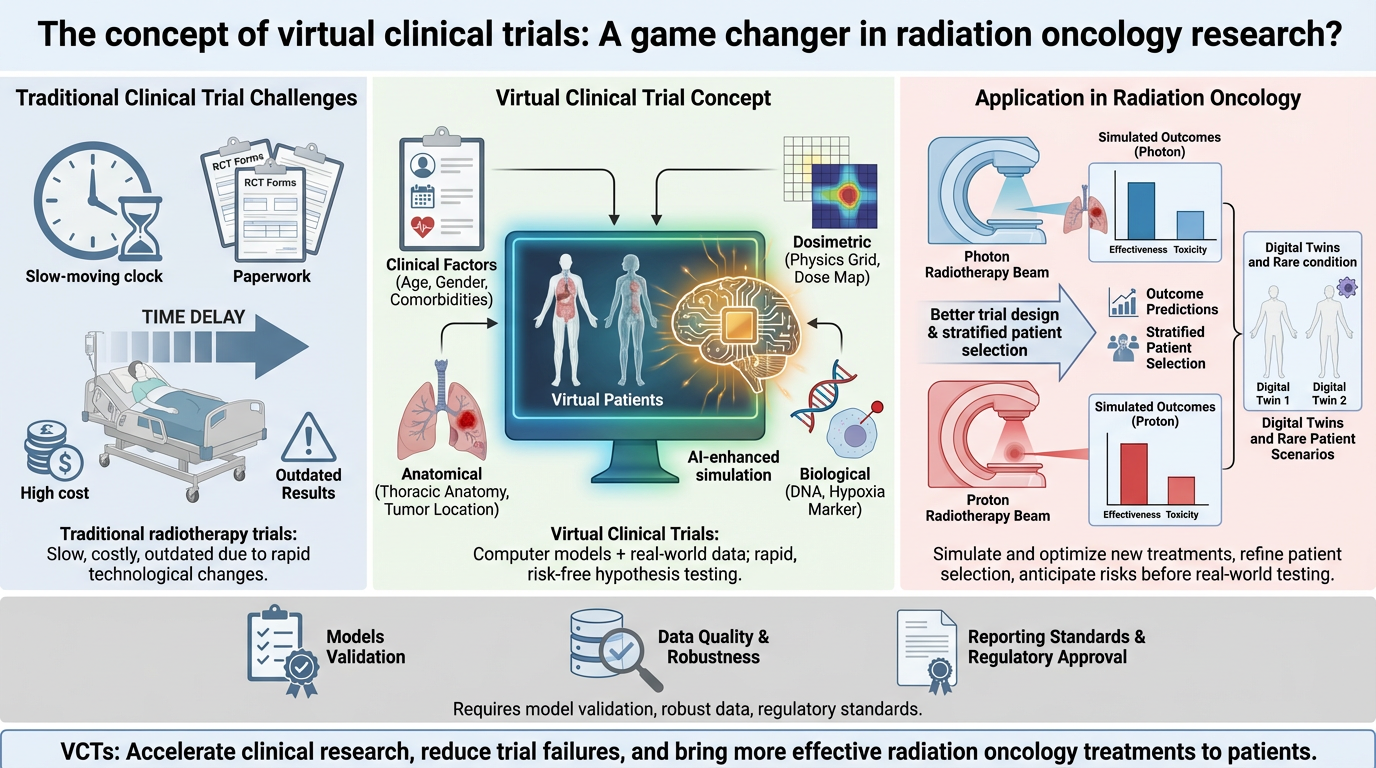
Virtual clinical trials for radiation oncology
Lays out how computer-based trials of radiotherapy interventions could complement, refine, and partly replace conventional studies in cancer care.
Read the paper