publications
Publications by the CIMIM group, by category in reversed chronological order.
2026
-
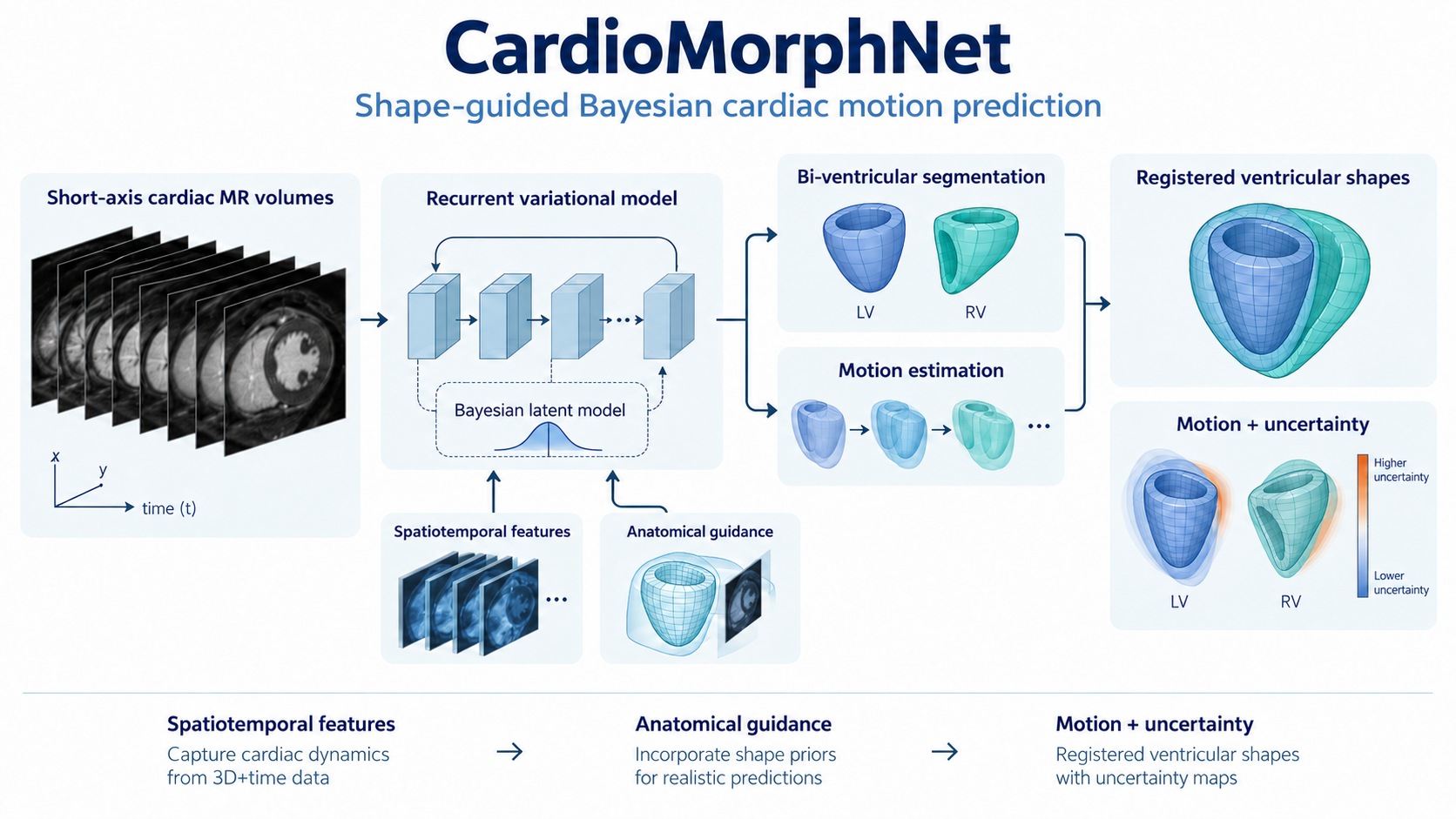 (2026). CardioMorphNet: Cardiac motion prediction using a shape-guided Bayesian recurrent deep network. Medical Image Analysis, 113:104149. DOI: 10.1016/j.media.2026.104149.
 -
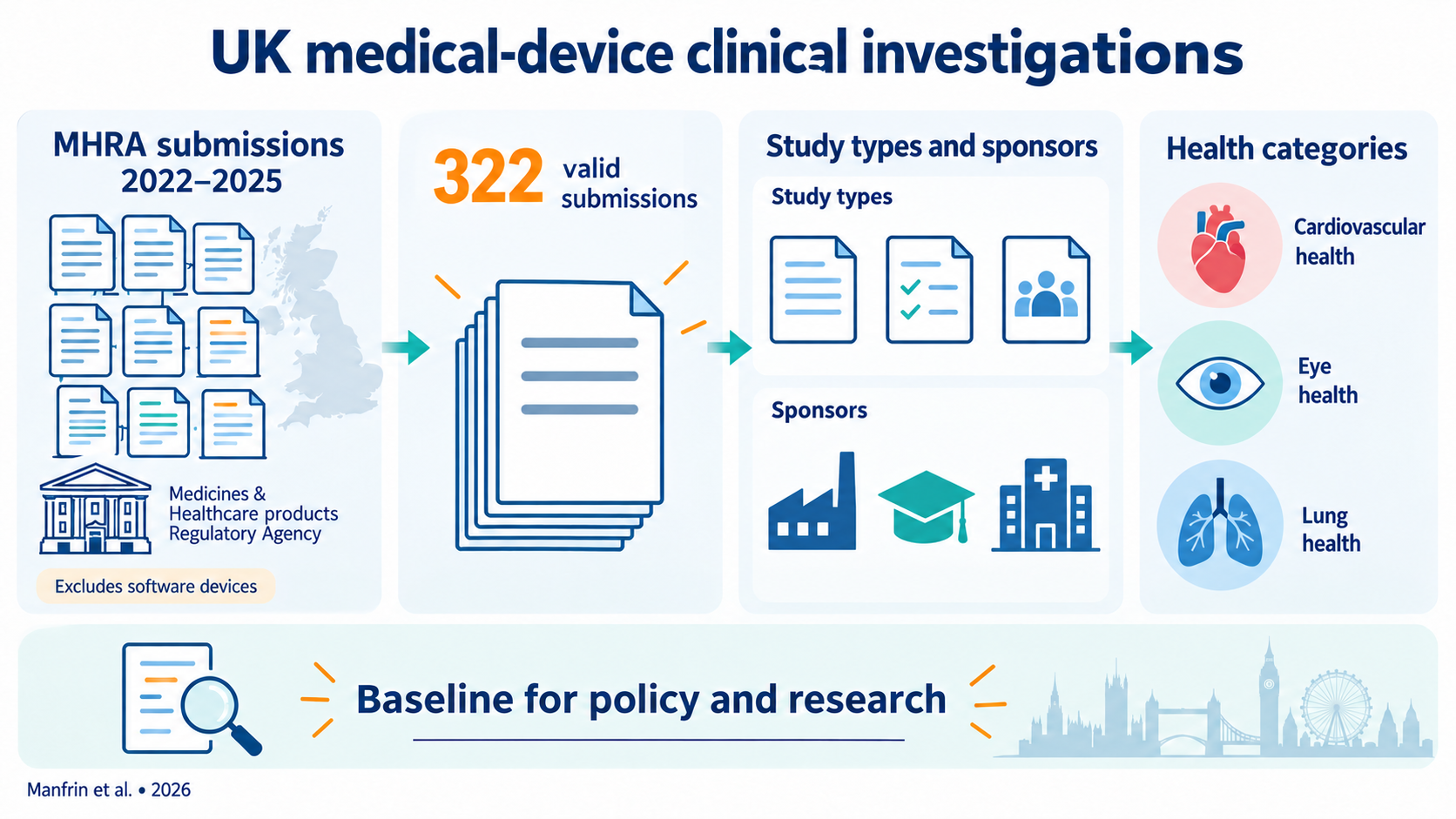 (2026). Analysis of clinical investigation (device) initial submissions received by the Medicines and Healthcare products Regulatory Agency between January 2022 and December 2025. British Journal of Clinical Pharmacology. DOI: 10.1002/bcp.70830.
 -
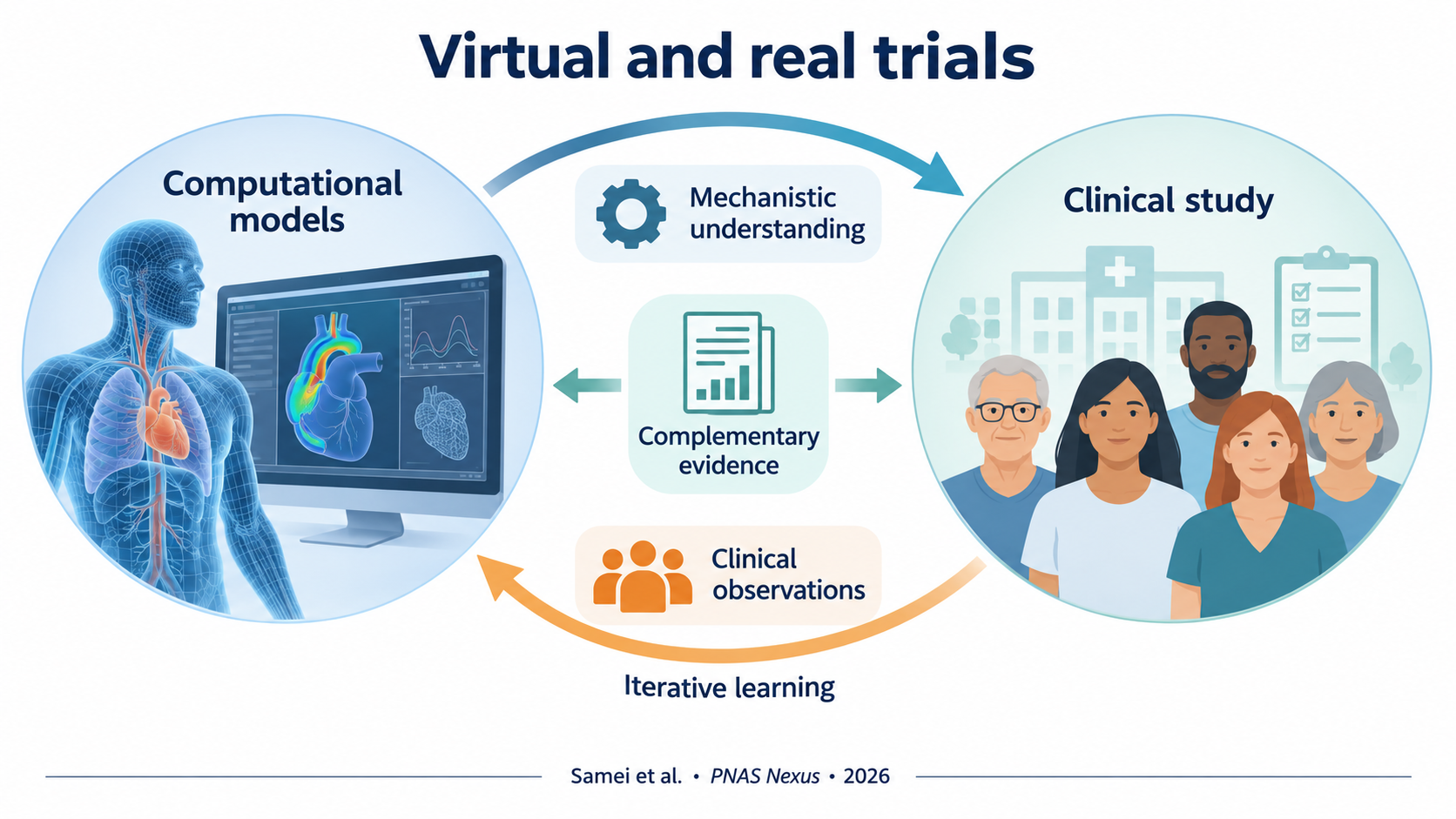 (2026). Complementary roles of virtual and real trials in medicine: An interplay of virtuous spirals. PNAS Nexus, 5(9):pgag310. DOI: 10.1093/pnasnexus/pgag310.
 -
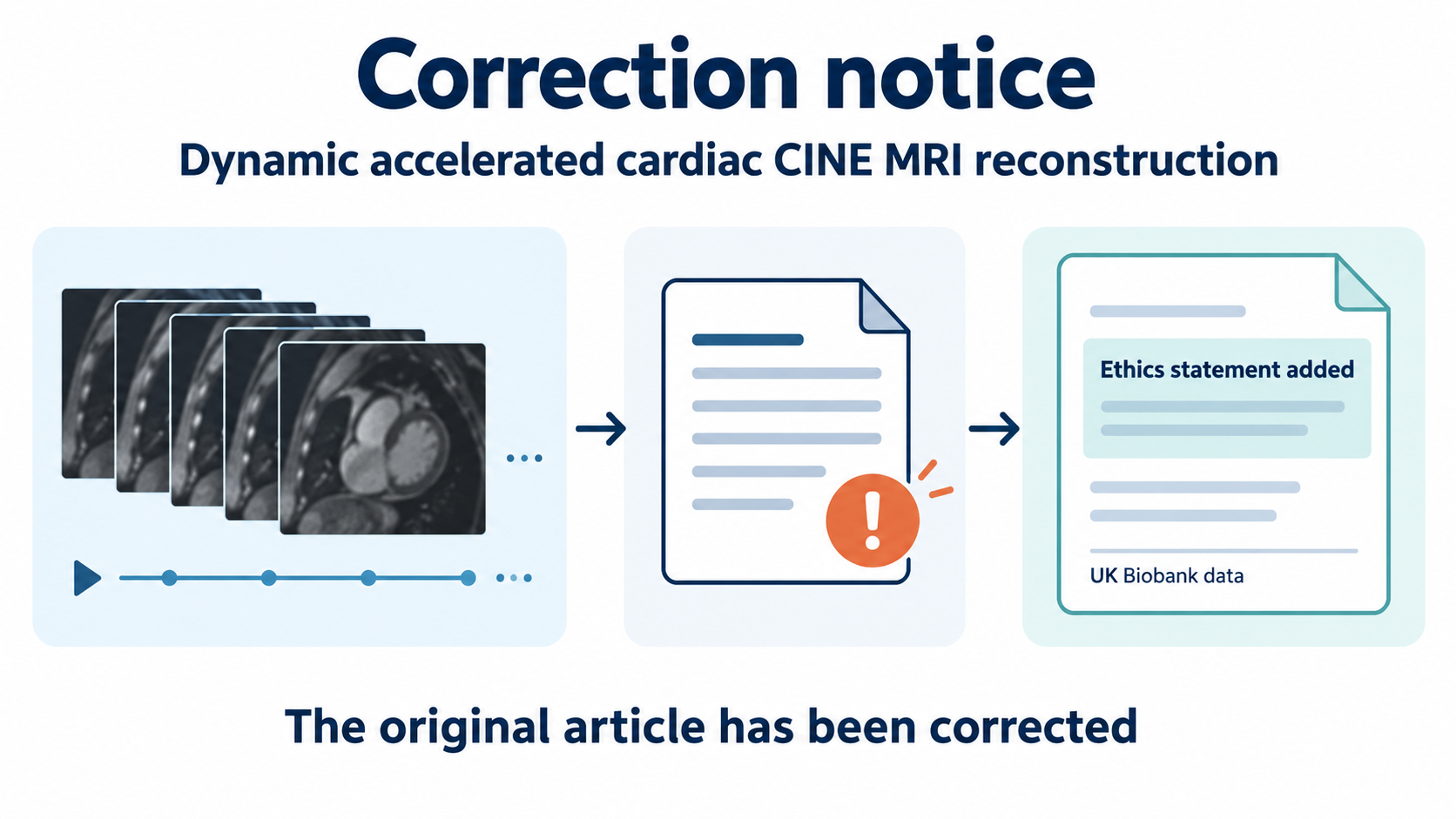 (2026). Correction: Dynamic accelerated cardiac CINE MRI reconstruction based on motion compensation. The Visual Computer, 42(7):264. DOI: 10.1007/s00371-026-04500-3.
 -
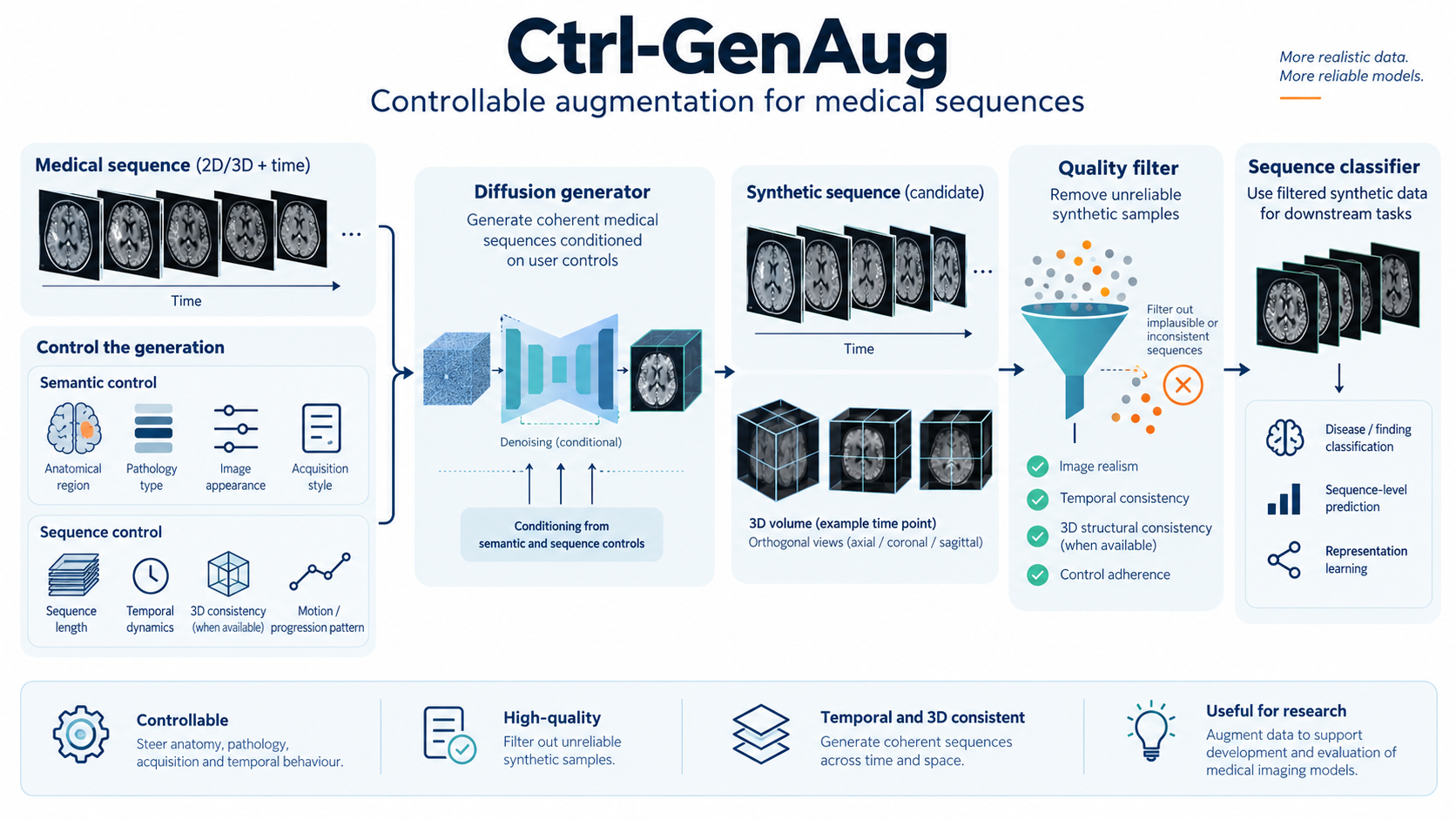 (2026). Ctrl-GenAug: Controllable Generative Augmentation for Medical Sequence Classification. International Journal of Computer Vision, 134(5):216. DOI: 10.1007/s11263-026-02786-3.
 -
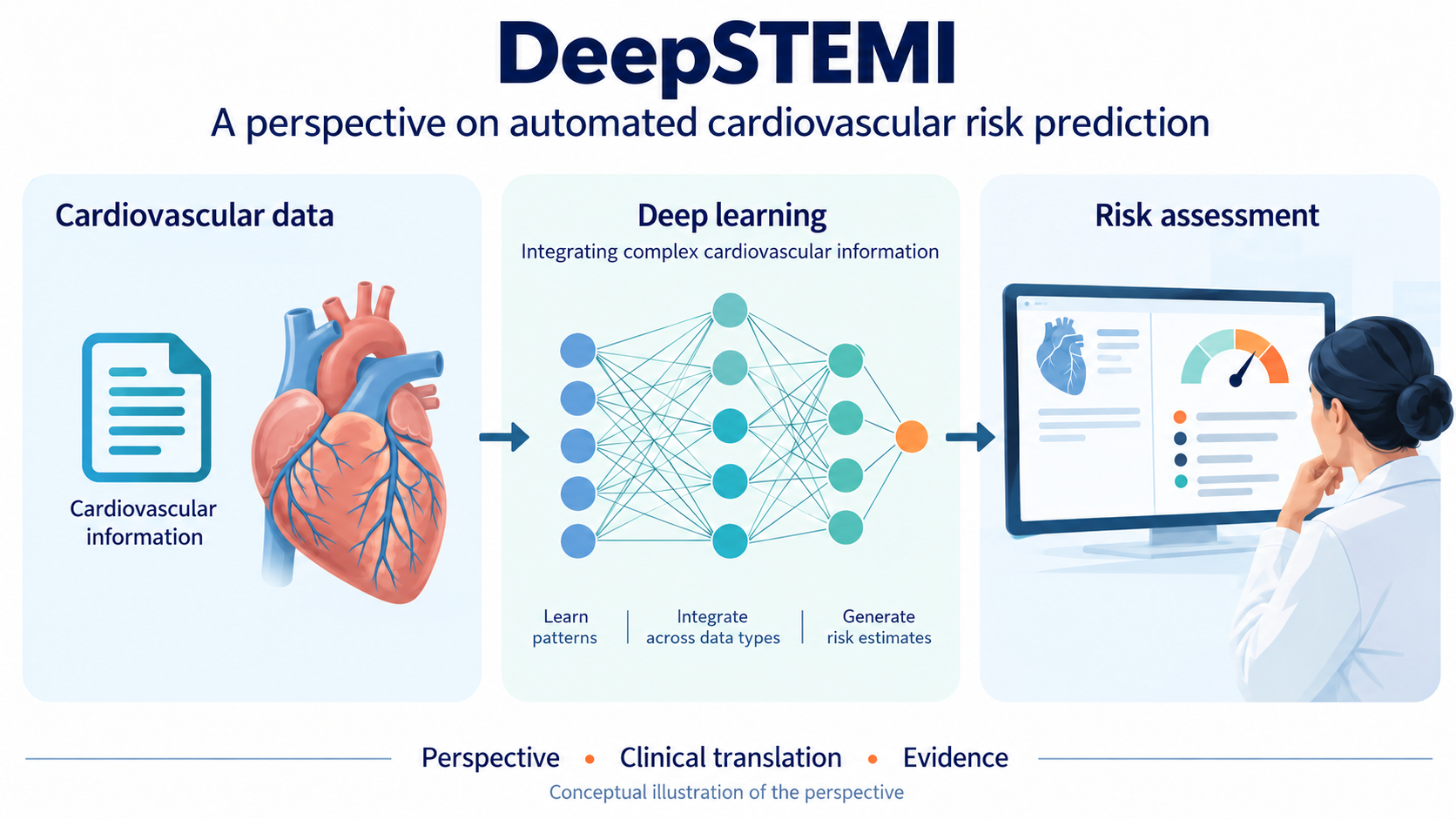 (2026). DeepSTEMI: a step forward in automated cardiovascular risk prediction. Science Bulletin, 71(16):4066–4068. DOI: 10.1016/j.scib.2026.07.017.
 -
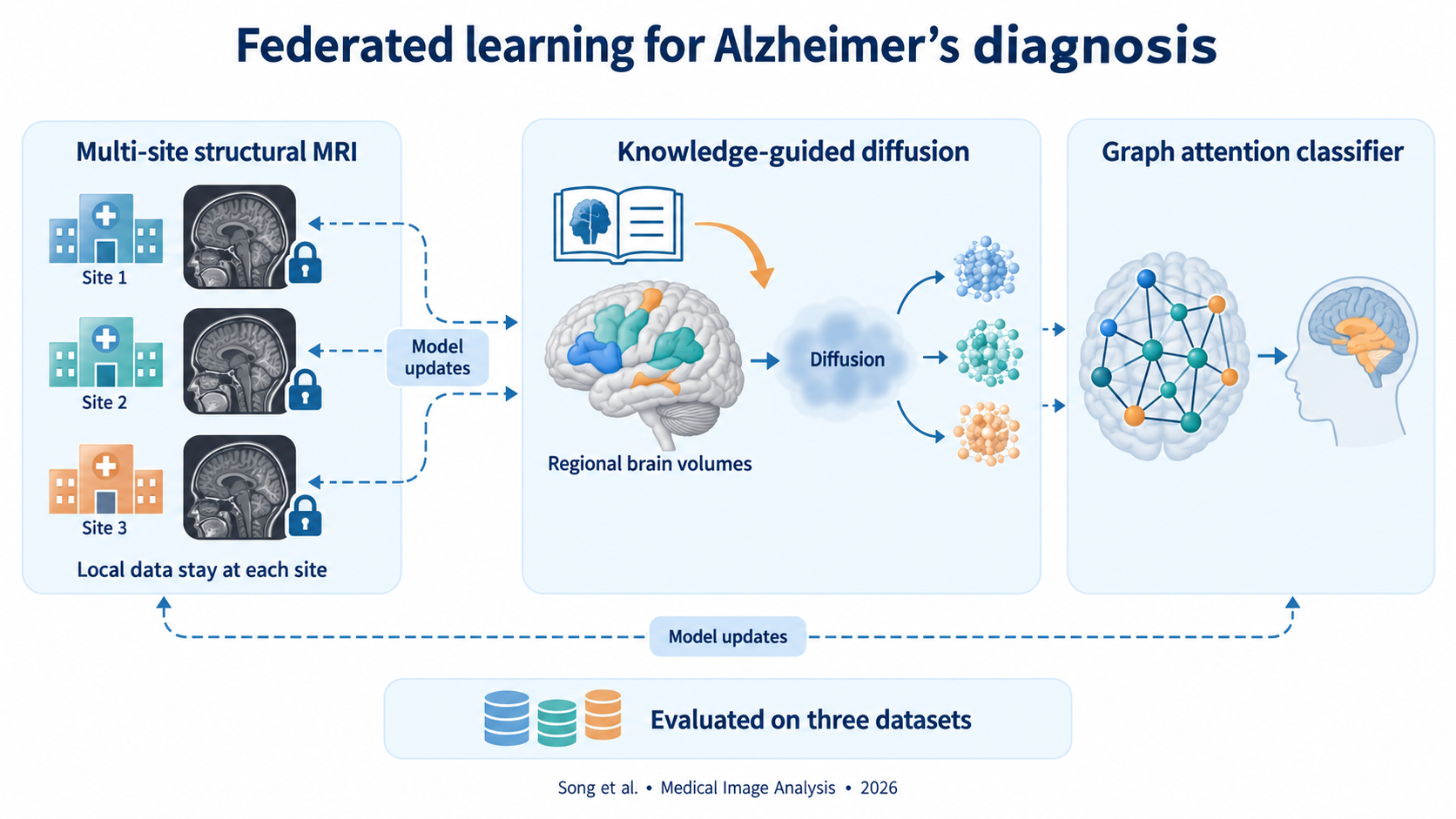 (2026). Developing a knowledge-guided federated graph attention learning network with a diffusion module to diagnose Alzheimer’s disease. Medical Image Analysis, 107:103794. DOI: 10.1016/j.media.2025.103794.
 -
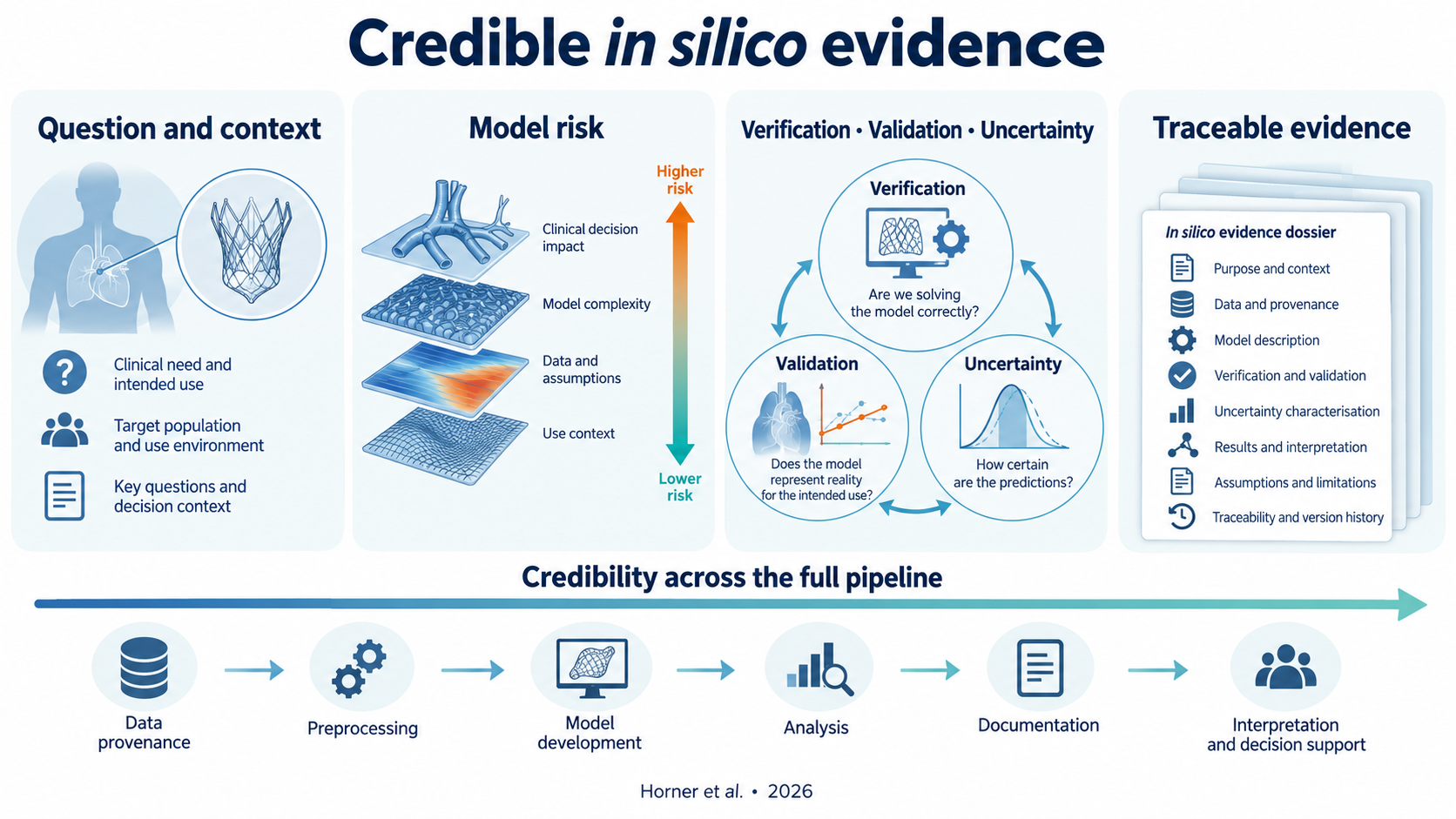 (2026). Ensuring the quality of in silico evidence: application to medical devices. Briefings in Bioinformatics, 27(4):bbag442. DOI: 10.1093/bib/bbag442.
 -
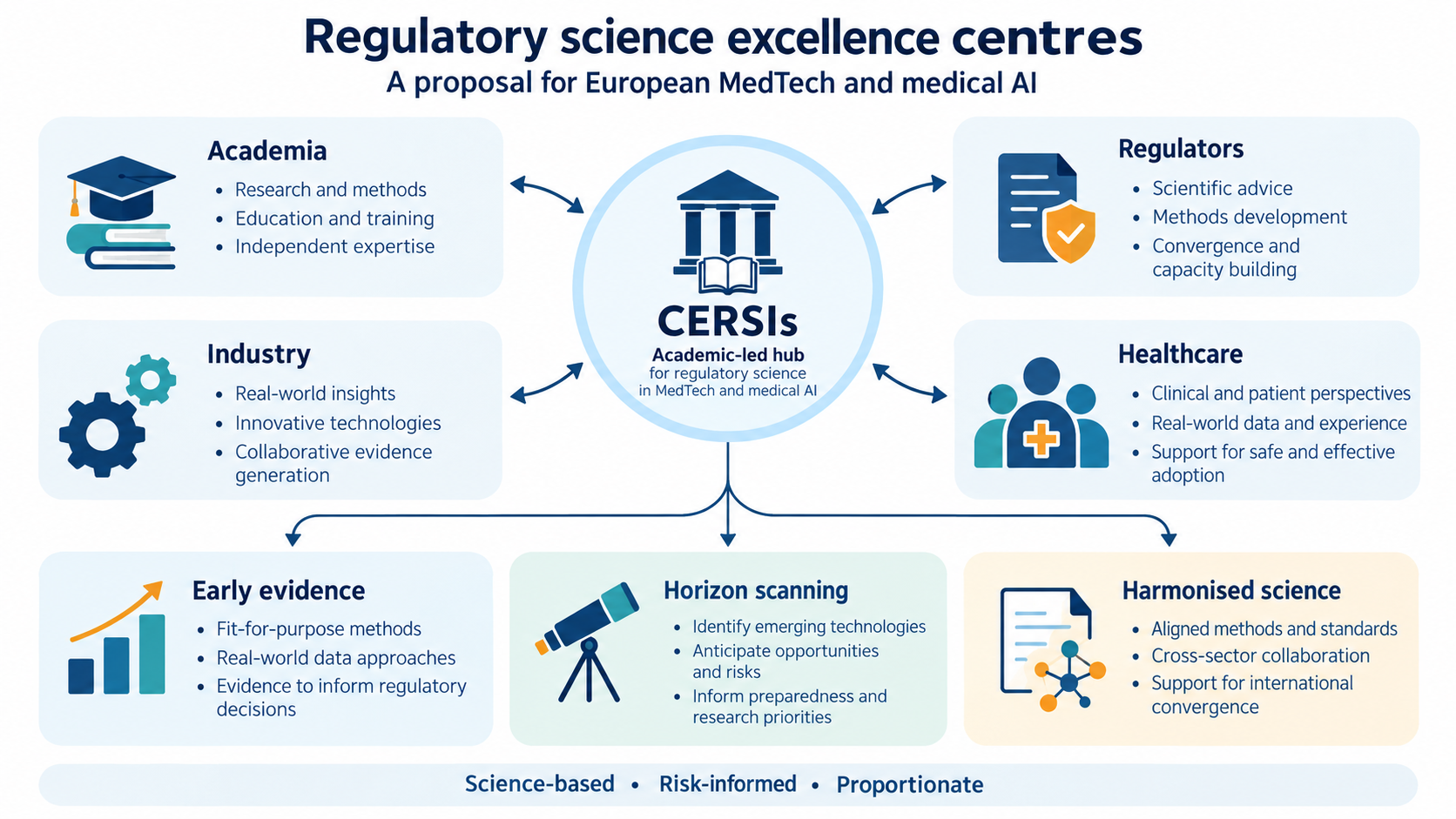 (2026). European Union innovation needs regulatory science excellence centres. Nature Biomedical Engineering, 10(9):1802–1806. DOI: 10.1038/s41551-026-01756-x.
 -
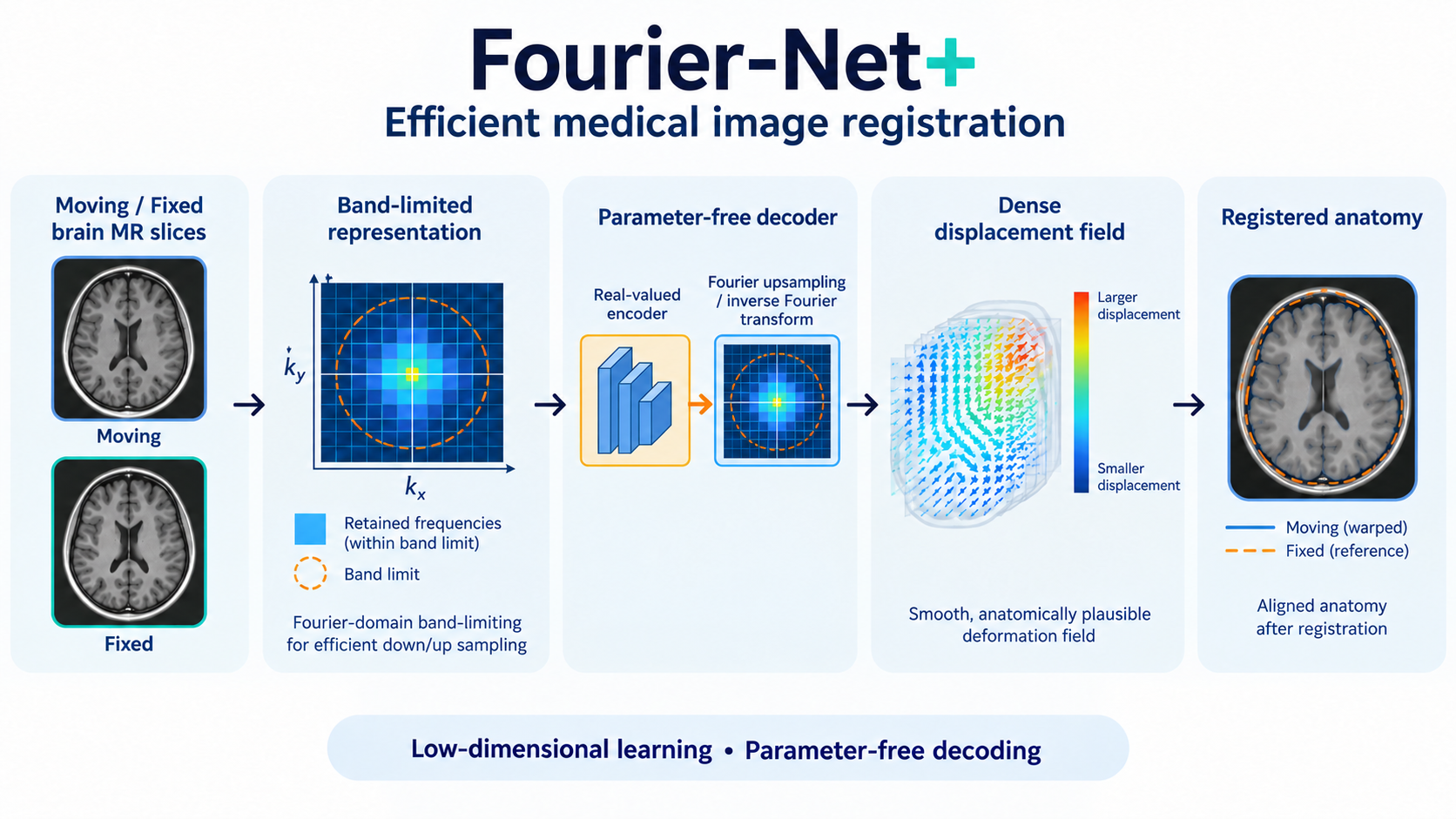 (2026). Fourier-Net+: Band-Limited Spatial Representation for Efficient Medical Image Registration. IEEE Transactions on Neural Networks and Learning Systems, 37(10):5712–5726. DOI: 10.1109/TNNLS.2026.3688245.
 -
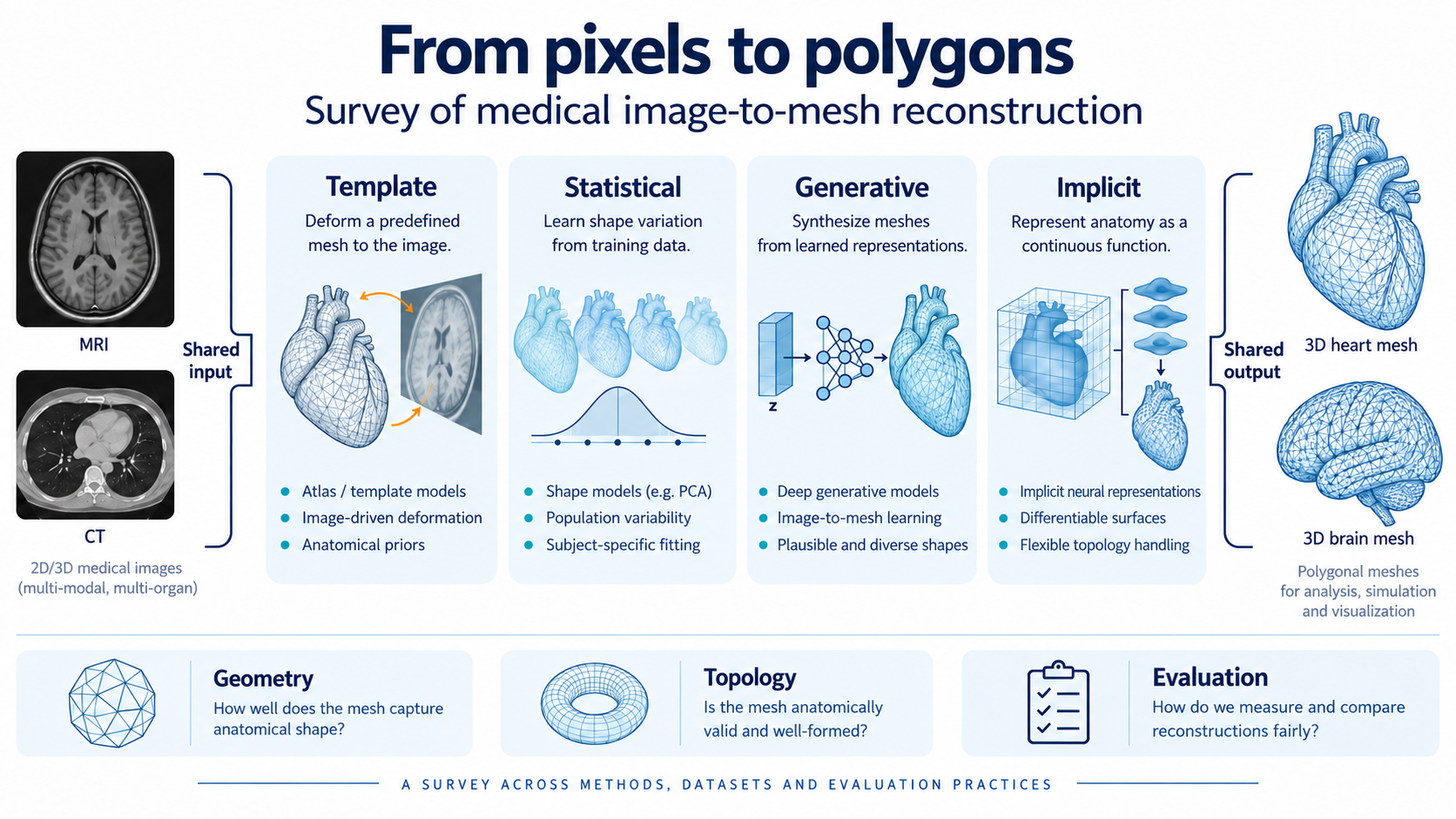 (2026). From pixels to polygons: A survey of deep learning approaches for medical image-to-mesh reconstruction. Medical Image Analysis, 113:104153. DOI: 10.1016/j.media.2026.104153.
 -
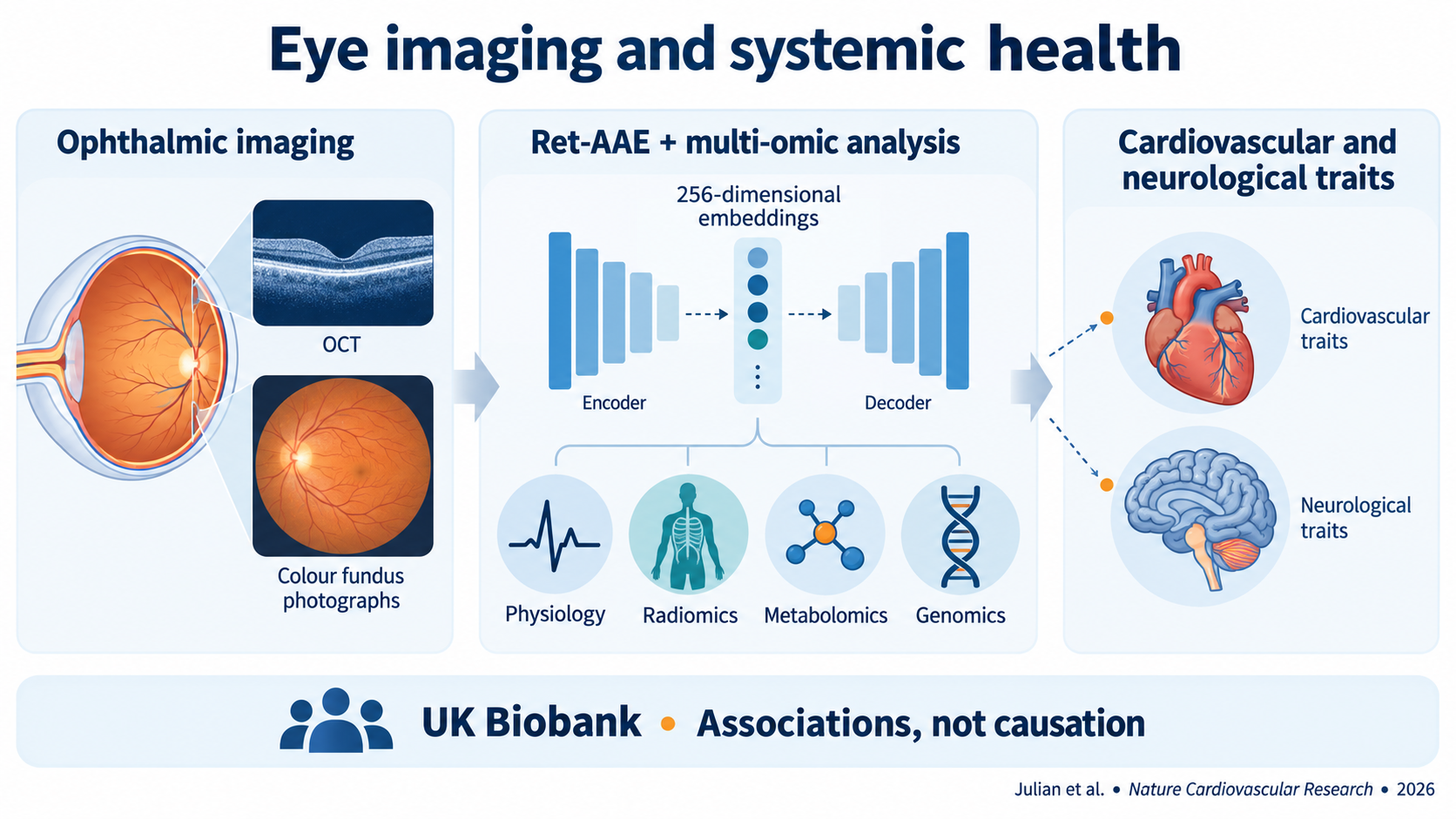 (2026). Multi-omic analysis of deep learning-derived phenotypes links ophthalmic imaging to cardiovascular and neurological traits. Nature Cardiovascular Research, 5(6):541–554. DOI: 10.1038/s44161-026-00815-5.
 -
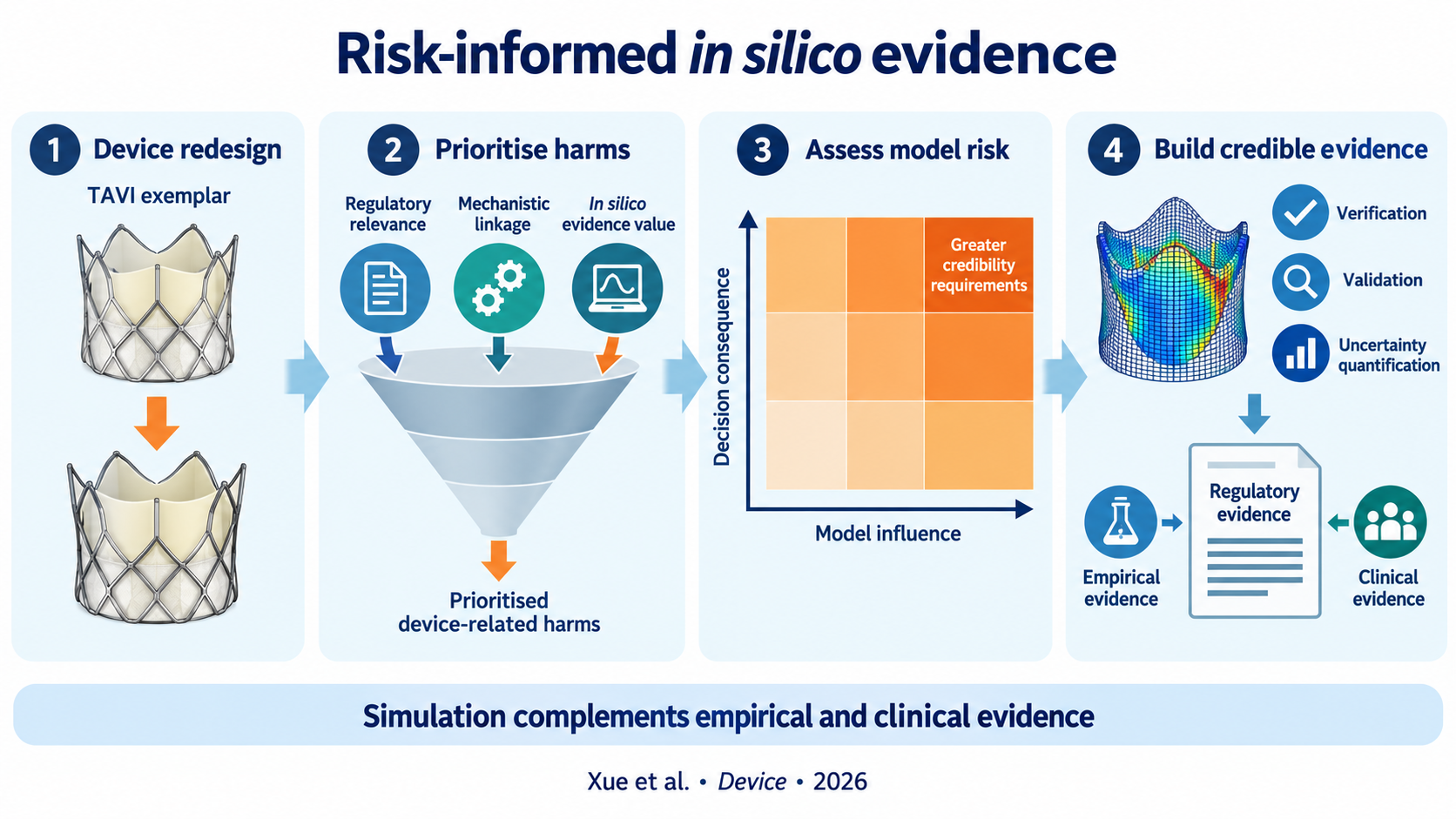 (2026). Risk-informed framework for in silico regulatory evaluation of medical devices. Device:101303. DOI: 10.1016/j.device.2026.101303.
 -
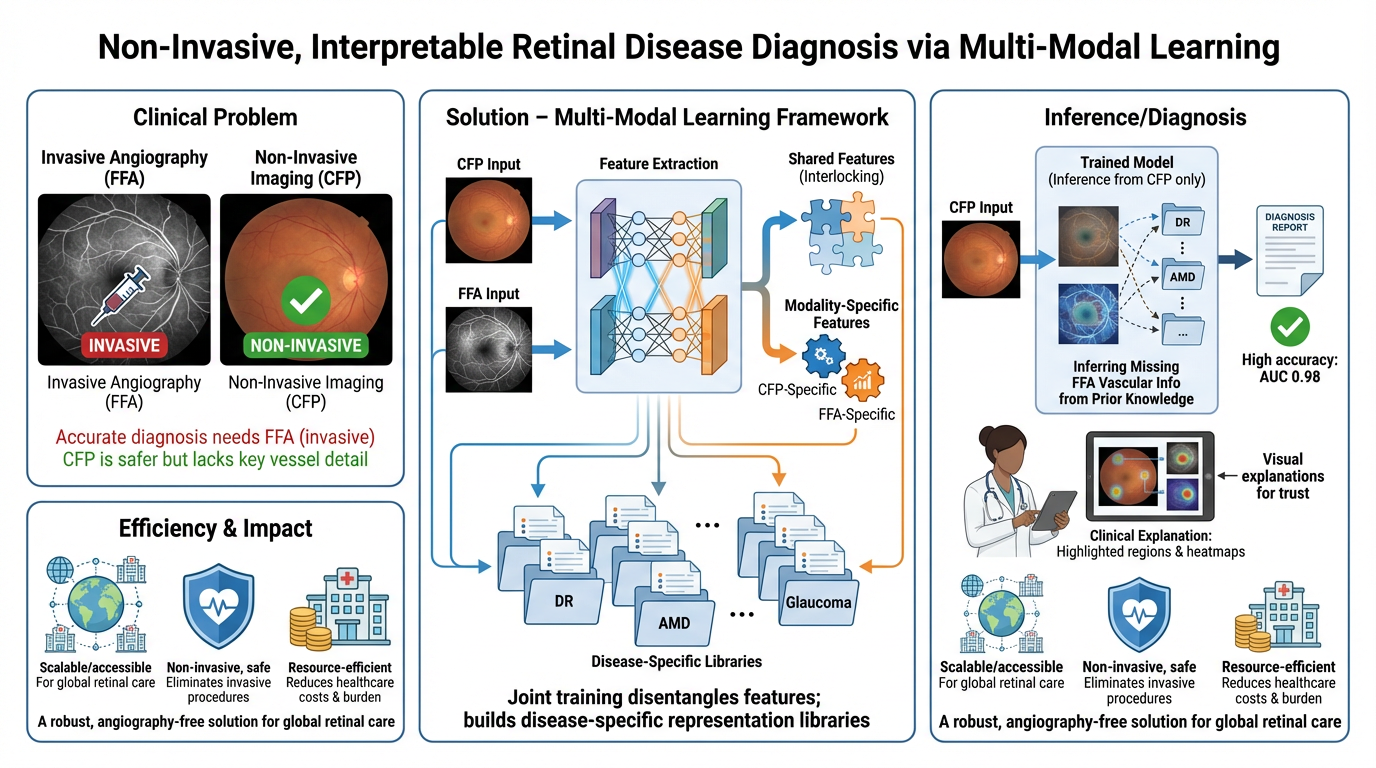 (2026). Angiography-free diagnosis of retinal diseases via interpretable multi-modal learning. NPJ Digit Med, 9(1):491. DOI: 10.1038/s41746-026-02641-2.
 -
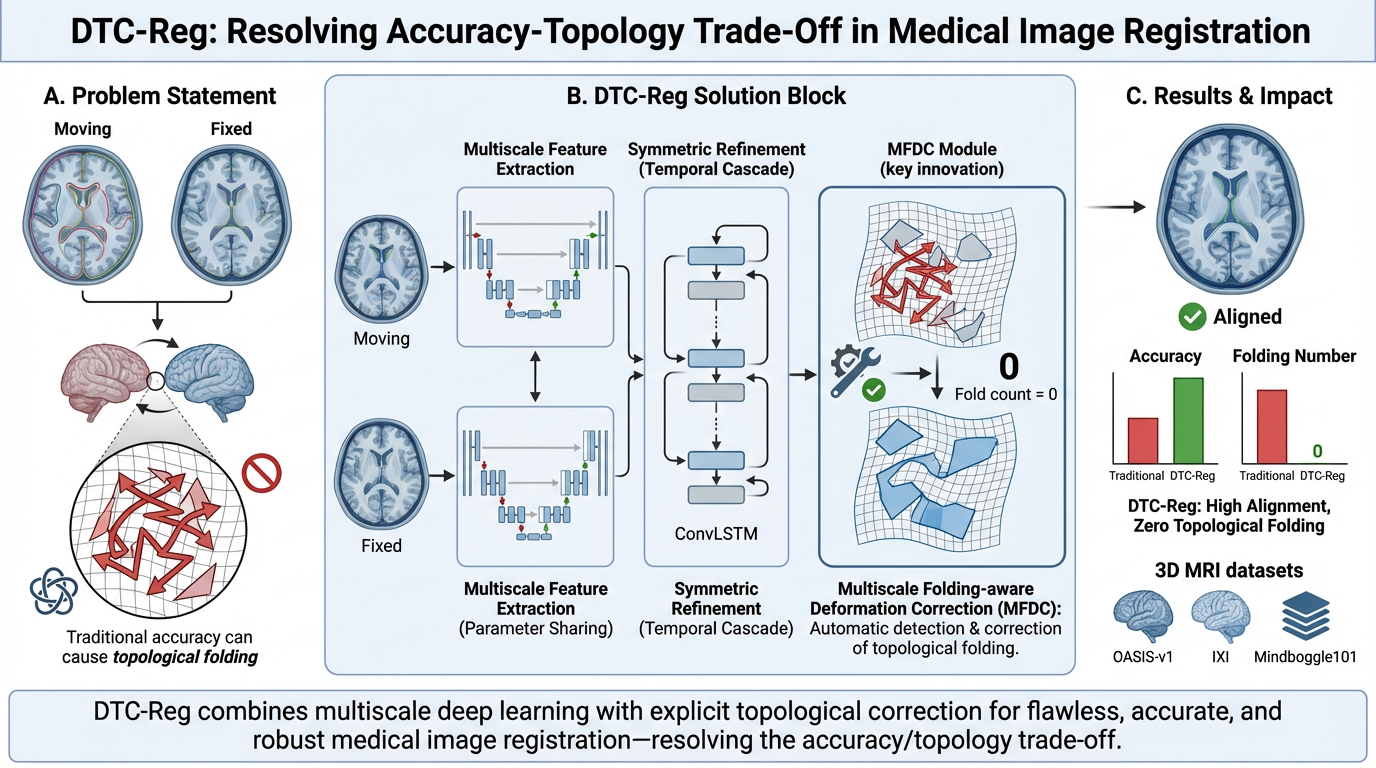 (2026). An effective deep learning algorithm for medical image registration. PLOS Digit. Health, 5(4):e0001339. DOI: 10.1371/journal.pdig.0001339.
 -
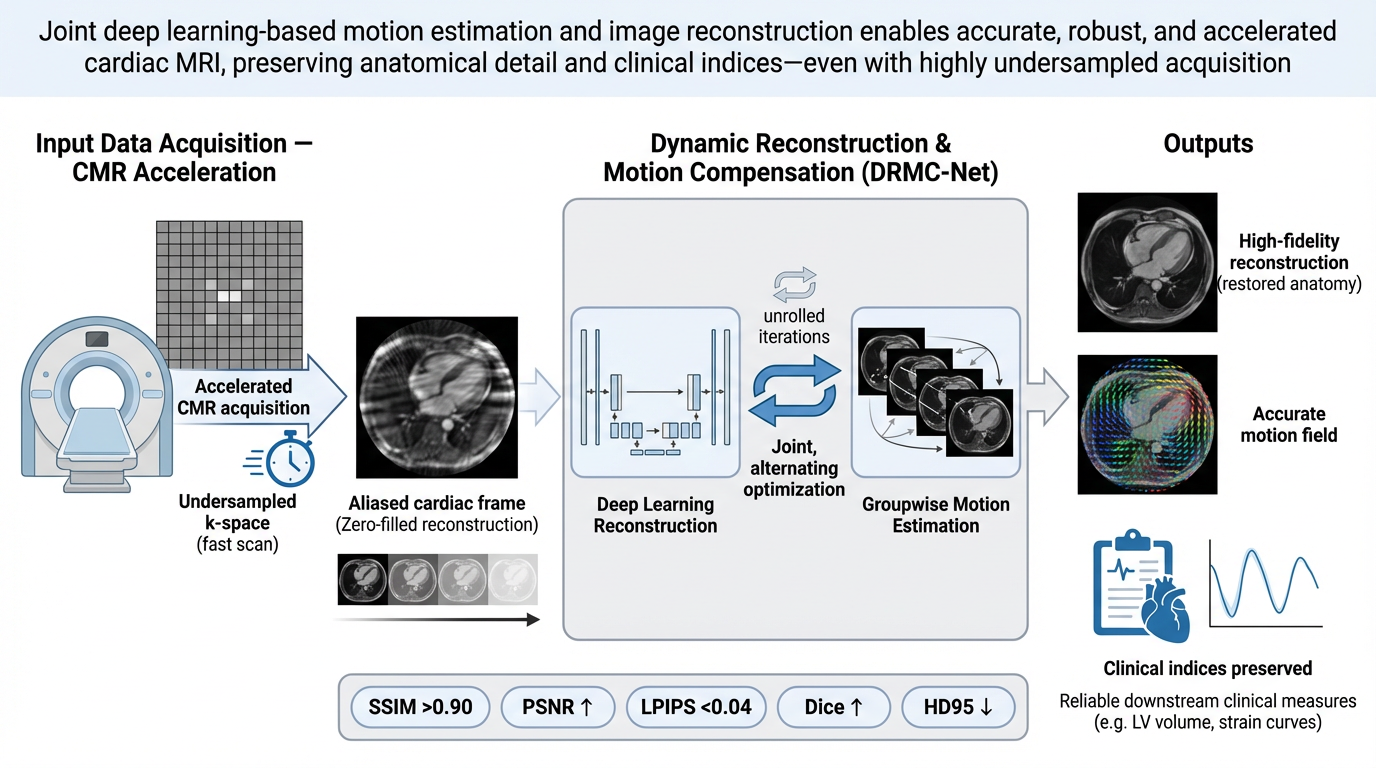 (2026). Dynamic accelerated cardiac CINE MRI reconstruction based on motion compensation. Vis. Comput., 42(6):247. DOI: 10.1007/s00371-026-04434-w.
 -
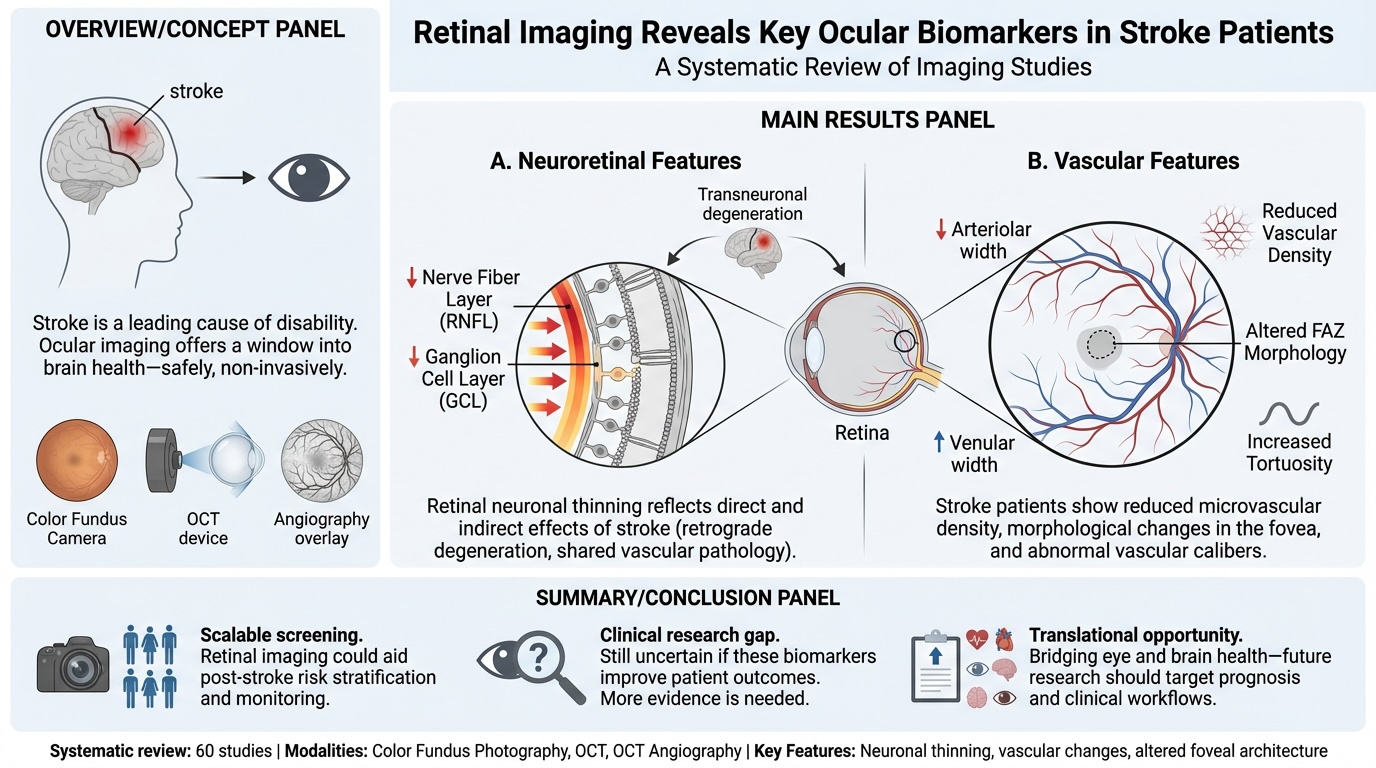 (2026). Ophthalmic Features in Stroke Patients: A Systematic Review of Imaging Studies. Curr. Eye Res., 51(7):752–763. DOI: 10.1080/02713683.2026.2649415.
 -
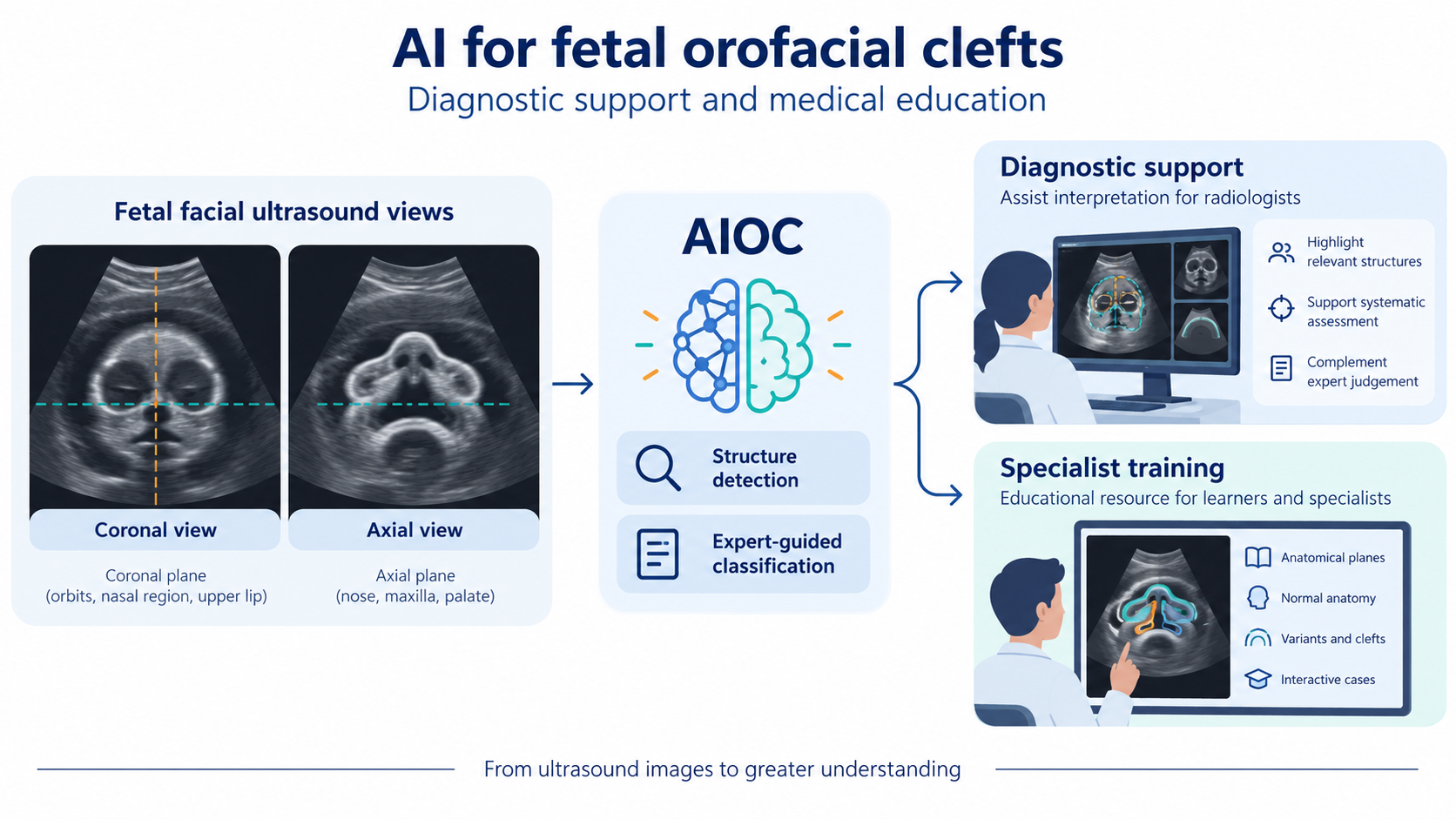 (2026). Artificial intelligence for detecting fetal orofacial clefts and advancing medical education. Nat. Commun., 17(1):7637. DOI: 10.1038/s41467-026-74119-4.
 -
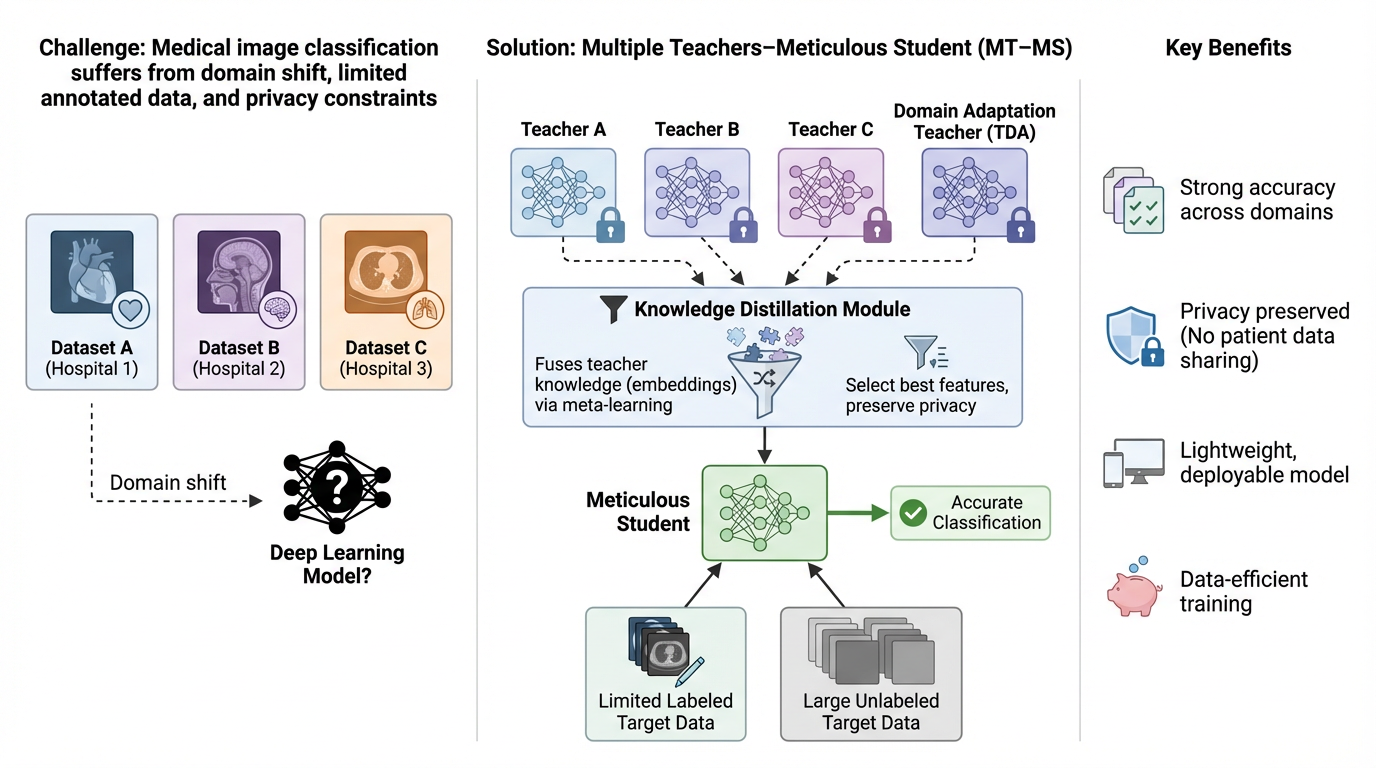 (2026). Multiple teachers-meticulous student: A domain adaptive meta-knowledge distillation model for medical image classification. Med. Phys., 53(2):e70350. DOI: 10.1002/mp.70350.
 -
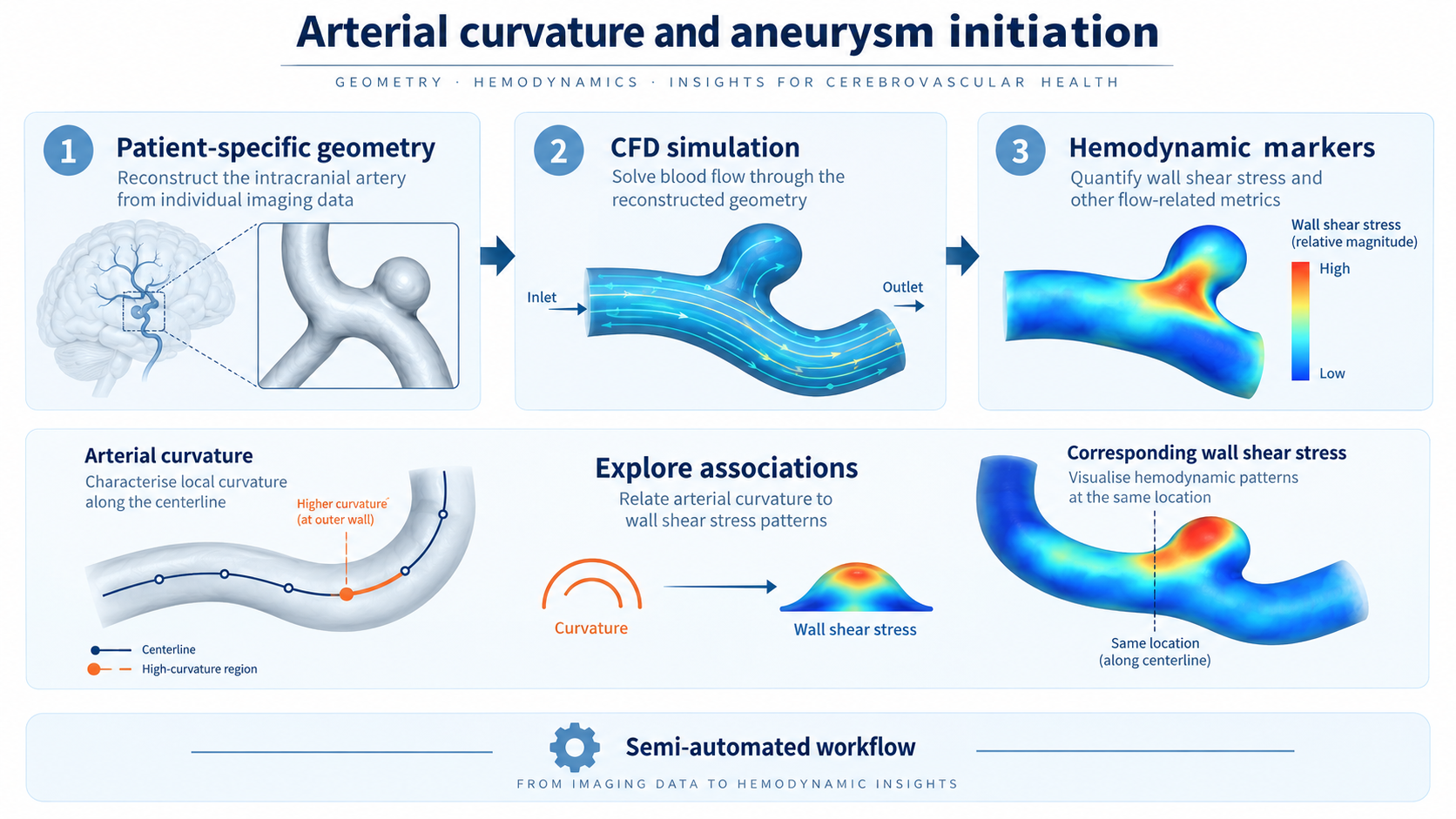 (2026). Automated hemodynamic modeling to explore arterial curvature effects on intracranial aneurysm initiation. Comput Methods Programs Biomed, 277:109245. DOI: 10.1016/j.cmpb.2026.109245.
 -
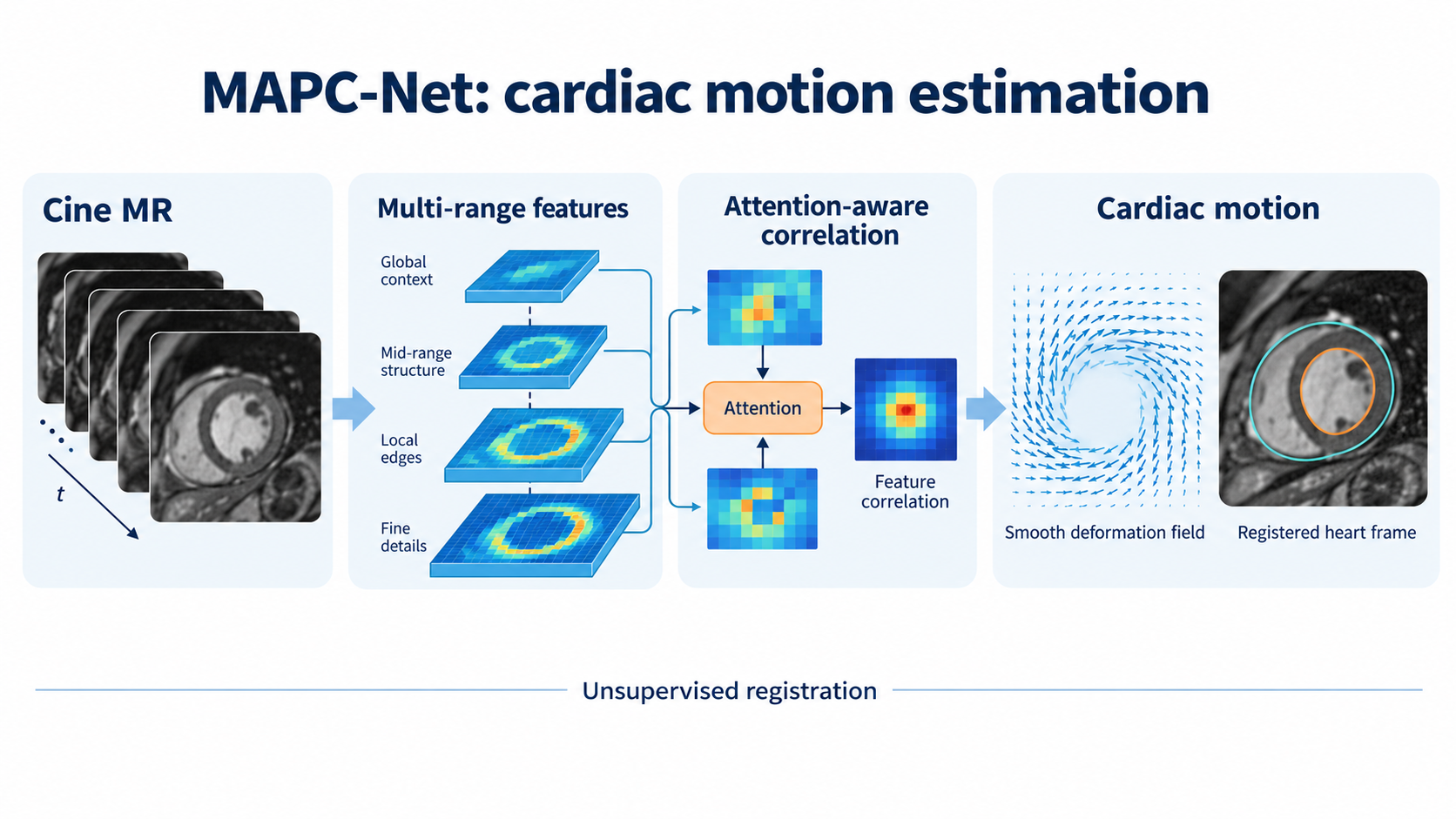 (2026). Multi-attention-aware motion estimation for cardiac MR imaging based on a feature pyramid network. Biomed Signal Process Control, 118:109714. DOI: 10.1016/j.bspc.2026.109714.
 -
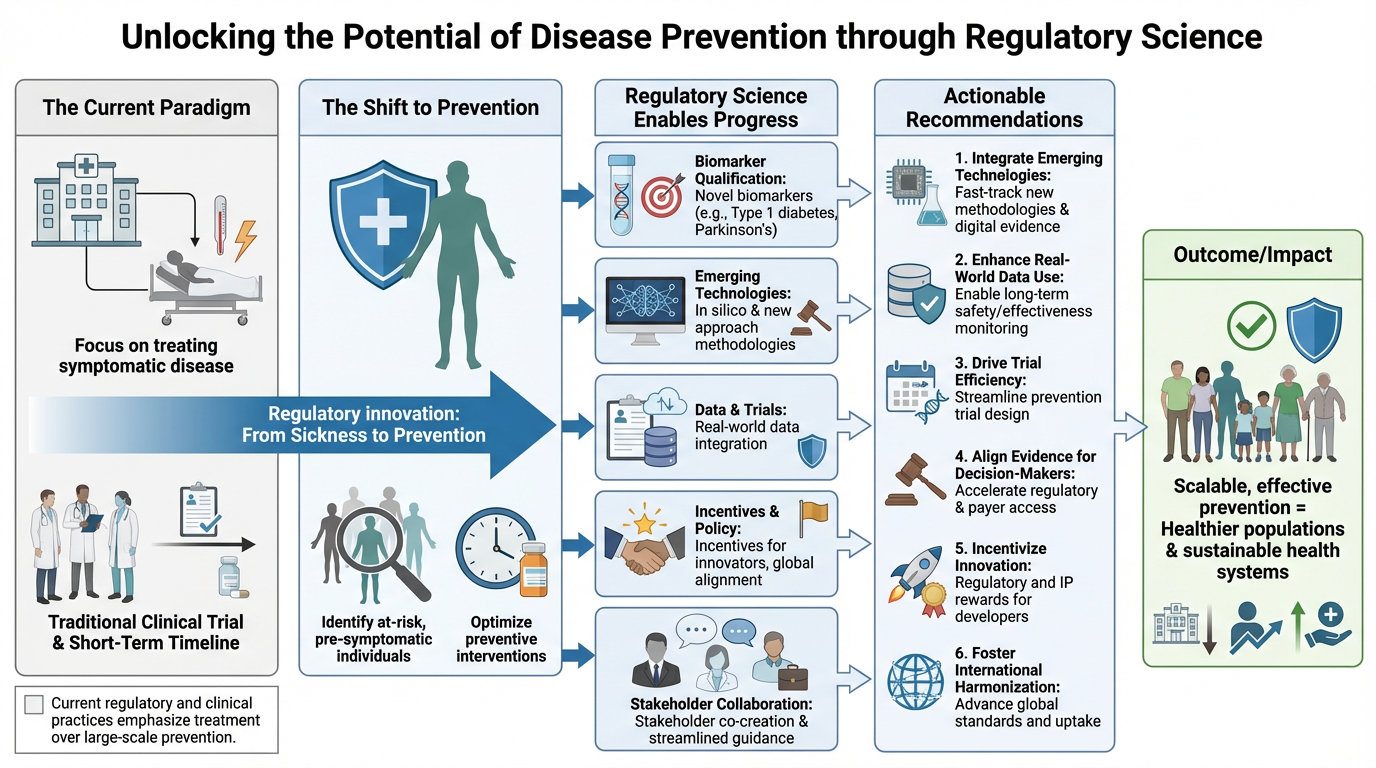 (2026). Unlocking the potential of disease prevention through regulatory science. Nat. Rev. Drug Discov., 25(5):333–334. DOI: 10.1038/d41573-026-00016-6.
 -
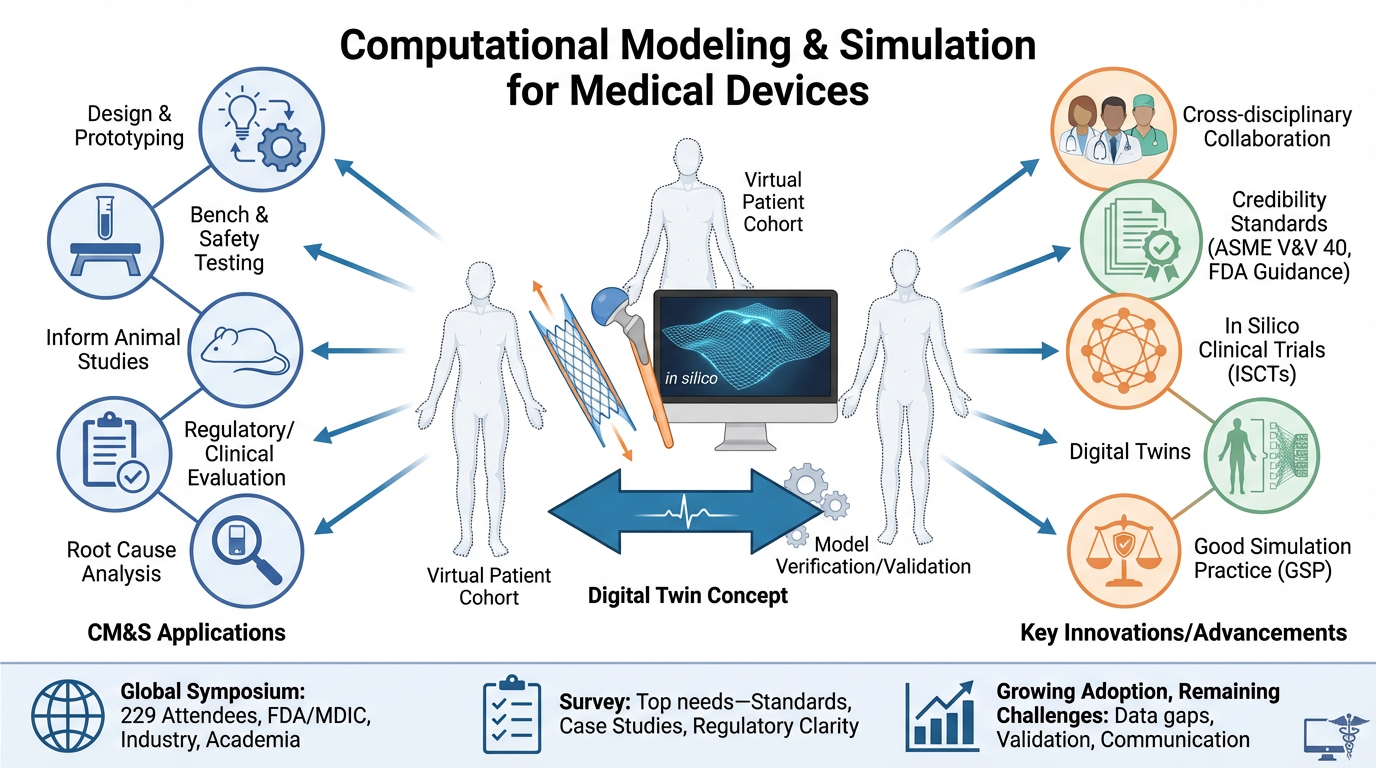 (2026). Computational Modeling and Simulation for Medical Devices: A Summary of the 2024 FDA/MDIC Symposium. Prog. Biomed. Eng., 8(1):013001. DOI: 10.1088/2516-1091/ae1c05.
 -
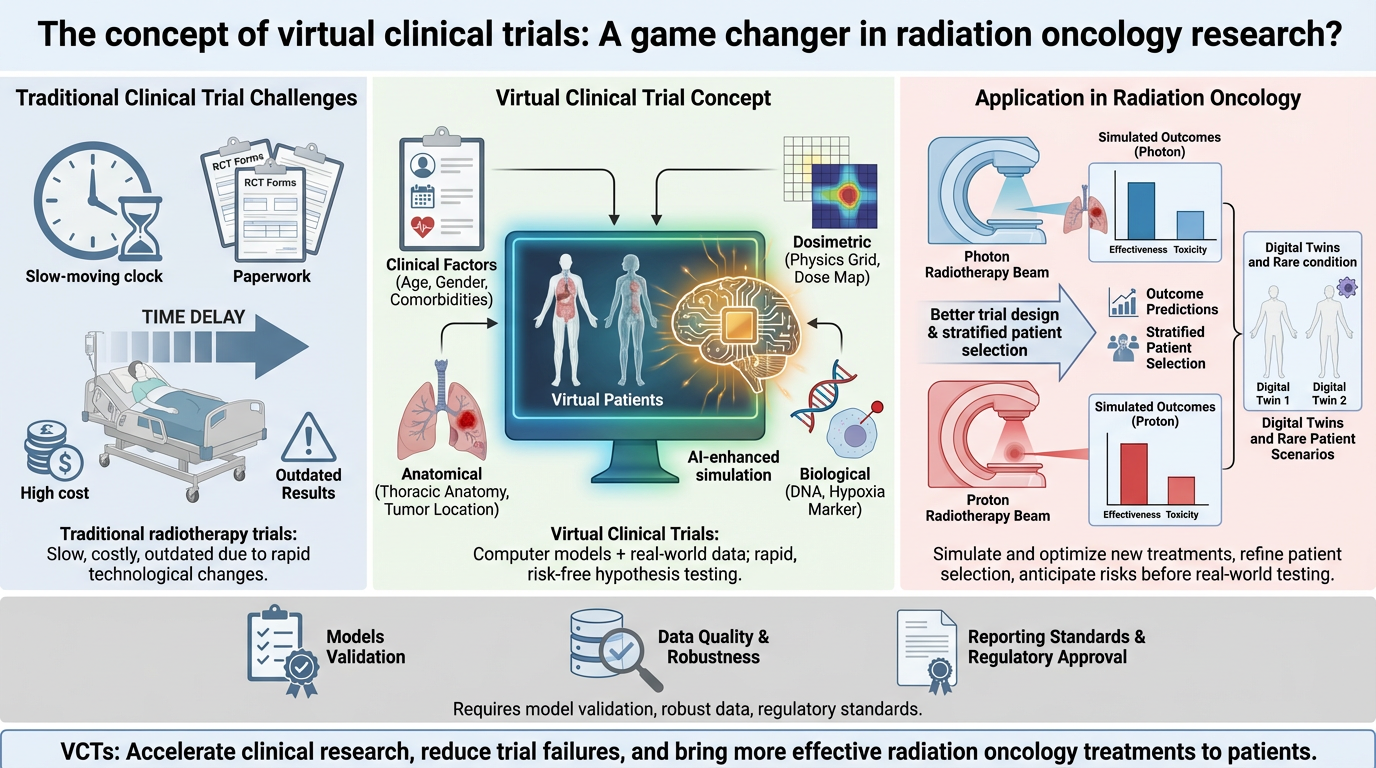 (2026). The concept of virtual clinical trials: A game changer in radiation oncology research?. Radiother. Oncol., 214:111264. DOI: 10.1016/j.radonc.2025.111264.


2025
- (2025). Controllable illumination invariant GAN for diverse temporally-consistent surgical video synthesis. Medical Image Analysis, 105:103731. DOI: 10.1016/j.media.2025.103731.
- (2025). Multimodal graph representation learning for robust surgical workflow recognition with adversarial feature disentanglement. Information Fusion, 123:103290. DOI: 10.1016/j.inffus.2025.103290.
- (2025). PedSemiSeg: Pedagogy-inspired semi-supervised polyp segmentation. Computerized Medical Imaging and Graphics, 124:102591. DOI: 10.1016/j.compmedimag.2025.102591.
- (2025). Rethinking data imbalance in class incremental surgical instrument segmentation. Medical Image Analysis, 105:103728. DOI: 10.1016/j.media.2025.103728.
- (2025). Surgical-VQLA++: Adversarial contrastive learning for calibrated robust visual question-localized answering in robotic surgery. Information Fusion, 113:102602. DOI: 10.1016/j.inffus.2024.102602.
- (2025). Revisiting medical image retrieval via knowledge consolidation. Medical Image Analysis, 102:103553. DOI: 10.1016/j.media.2025.103553.
-
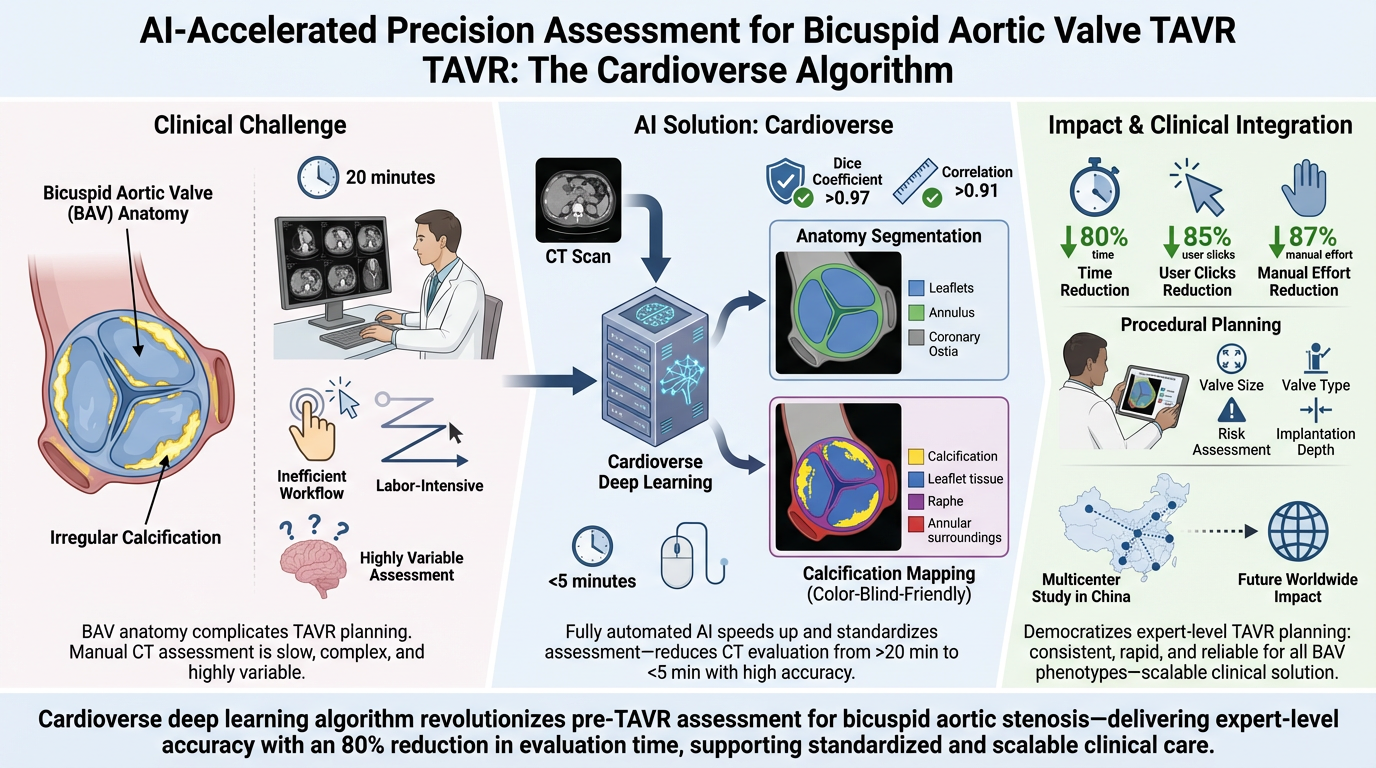 (2025). Precision TAVR quantification- AI-accelerated TAVR planning reduces assessment time by 80% in bicuspid aortic stenosis. Eur. Heart J. Imaging Methods Pract., 3(4):qyaf153. DOI: 10.1093/ehjimp/qyaf153.
 -
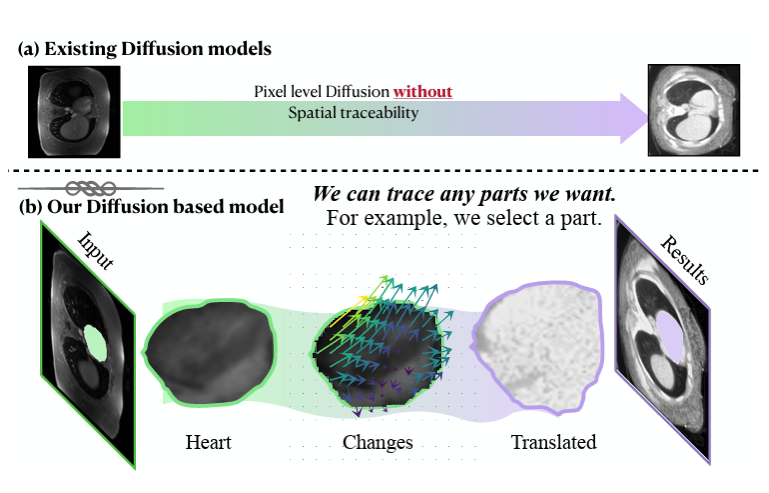 (2025). Plasticine: A traceable diffusion model for medical image translation. IEEE Trans Artif Intell, 6:1–14. DOI: 10.1109/TAI.2025.3647595.
 -
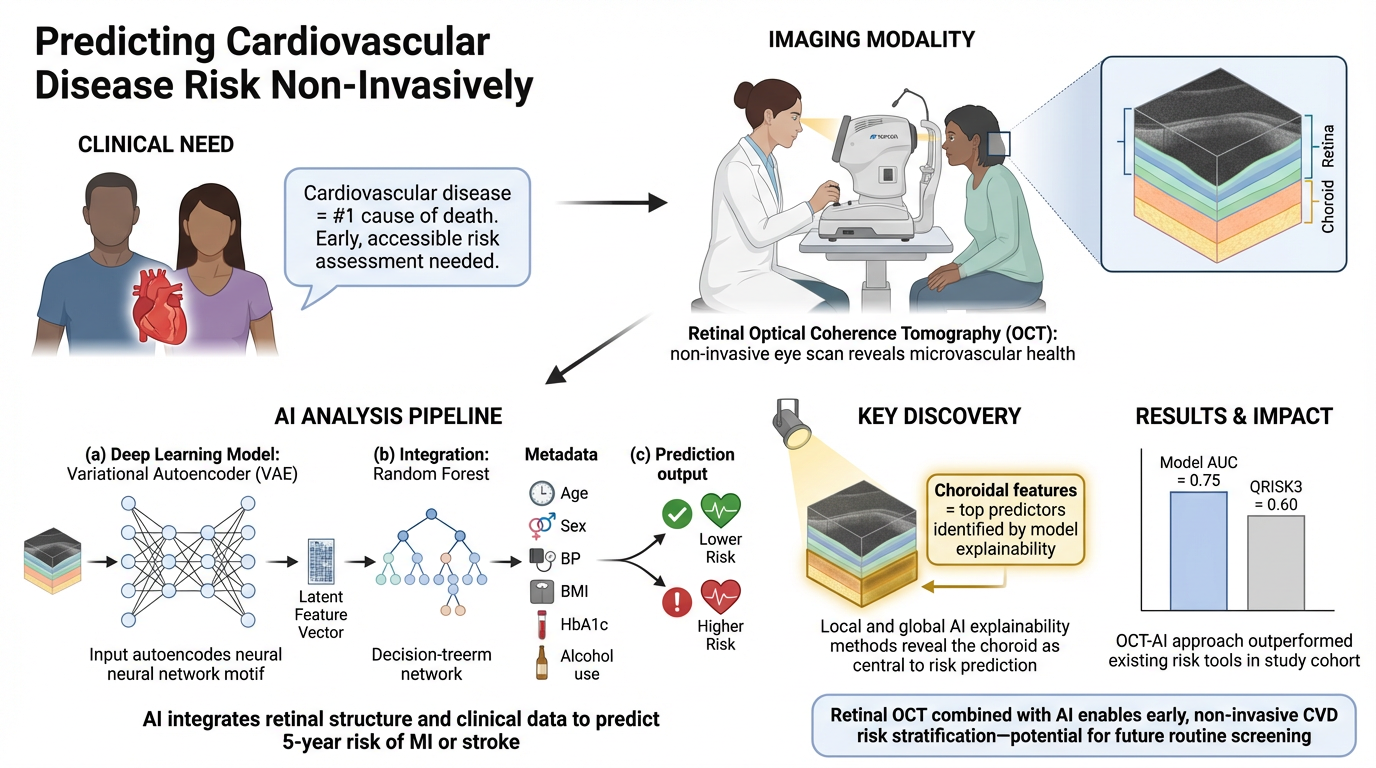 (2025). Predicting cardiovascular disease risk using retinal optical coherence tomography imaging. Front. Artif. Intell., 8:1624550. DOI: 10.3389/frai.2025.1624550.
 -
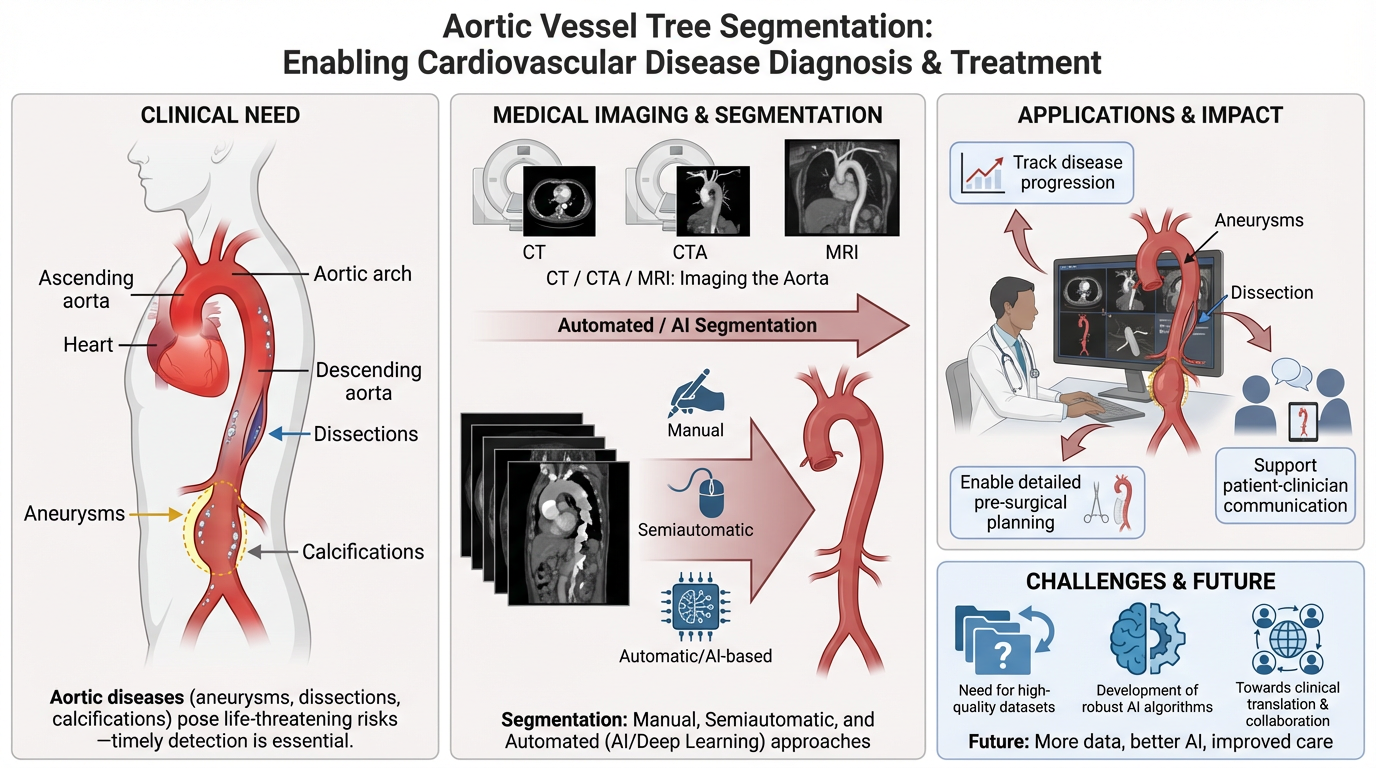 (2025). Aortic Vessel Tree Segmentation for Cardiovascular Diseases Treatment: Status Quo. ACM Comput. Surv., 57(9):1–35. DOI: 10.1145/3728632.
 -
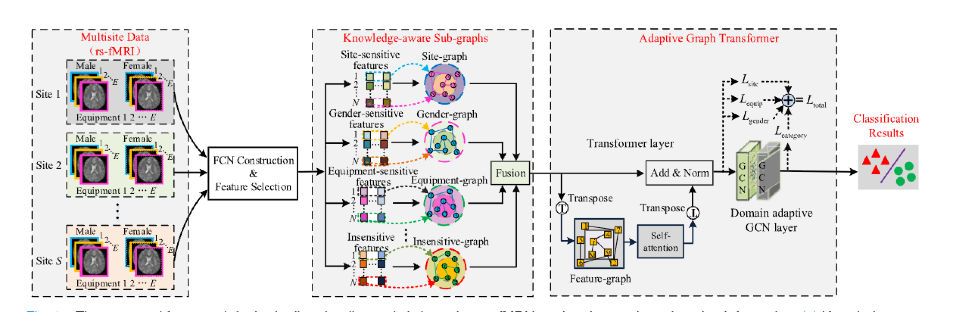 (2025). Knowledge-aware Multisite Adaptive Graph Transformer for Brain Disorder Diagnosis. IEEE Trans Med Imaging., 44(6):2370–2383. DOI: 10.1109/tmi.2024.3453419.
 - (2025). MRI Joint Super-Resolution and Denoising based on Conditional Stochastic Normalizing Flow. IEEE Trans Artif Intell., 6(6):1472–1487. DOI: 10.1109/tai.2024.3515936.
-
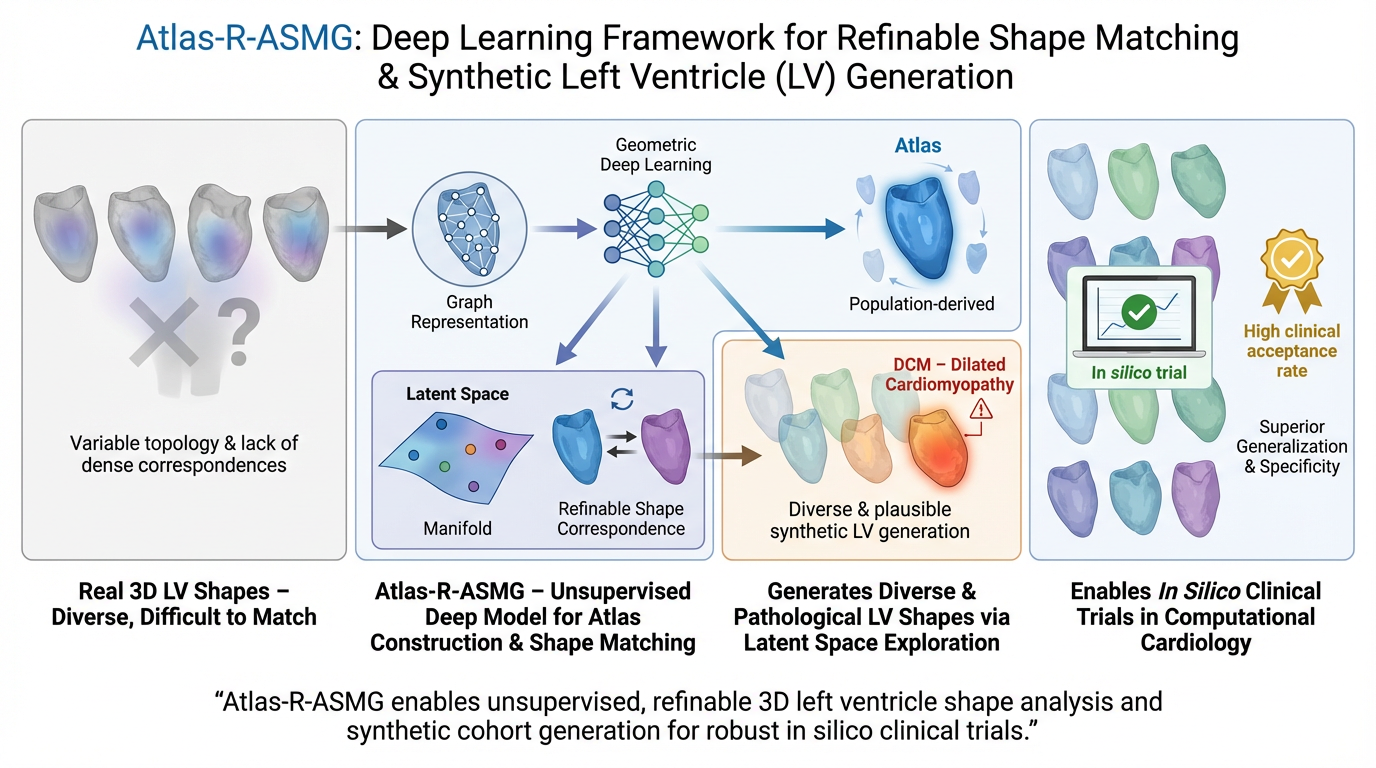 (2025). An End-to-End Deep Learning Generative Framework for Refinable Shape Matching and Generation. IEEE Trans. Med. Imaging, 44(8):3323–3344. DOI: 10.1109/TMI.2025.3562756.journals Funding: UK CEiRSIFunding: BHF COREFunding: MRRCFunding: NIHR BRCFunding: INSILICOFunding: INSILEX Bib
 - (2025). Off-label in-silico flow diverter performance assessment in posterior communicating artery aneurysms. J Neurointerv Surg., 17(11):1160–1167. DOI: 10.1136/jnis-2024-022000.
- (2025). SegMorph: Concurrent Motion Estimation and Segmentation for Cardiac MRI Sequences. IEEE Trans Med Imaging., 44(9):3515–3528. DOI: 10.1109/tmi.2024.3435000.journals Funding: UK CEiRSIFunding: BHF COREFunding: MRRCFunding: NIHR BRCFunding: INSILICOFunding: INSILEX Bib
-
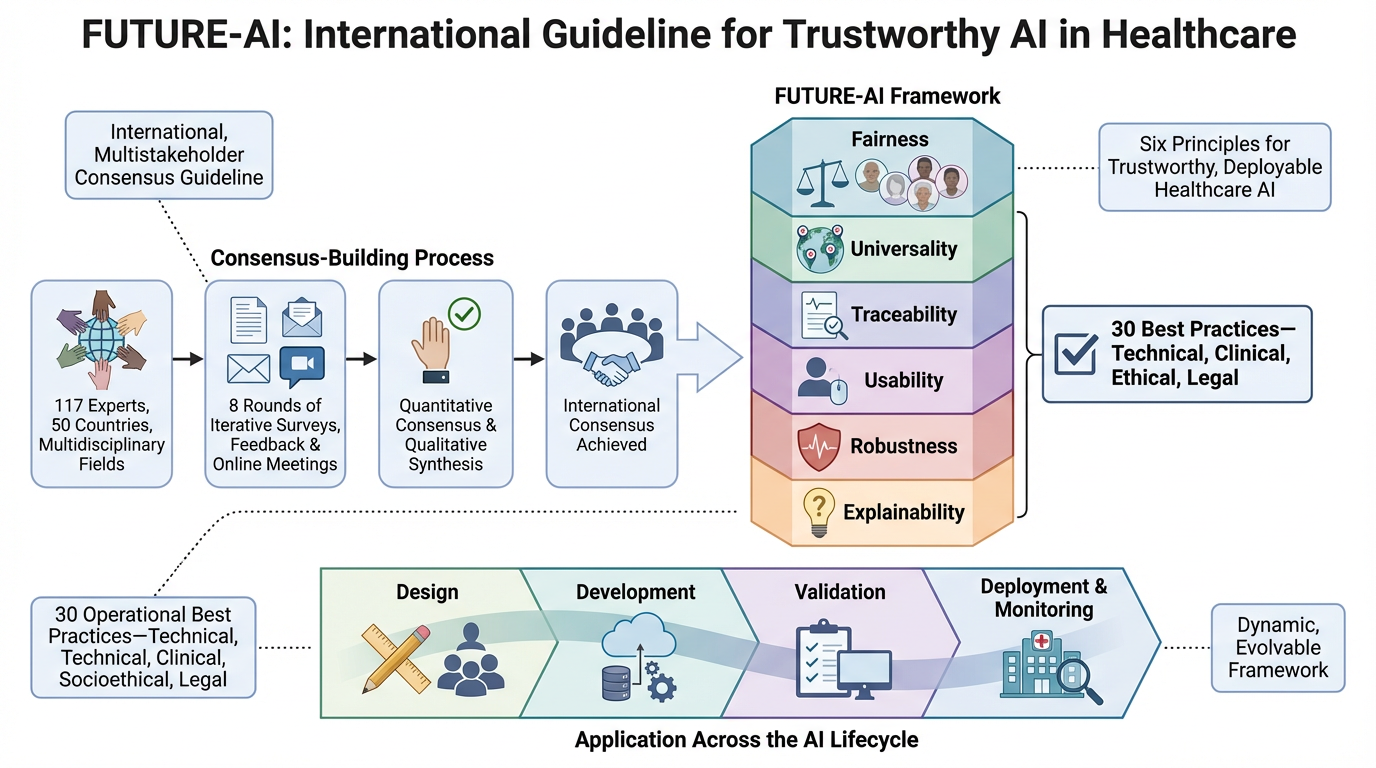 (2025). FUTURE-AI: international consensus guideline for trustworthy and deployable artificial intelligence in healthcare. BMJ, 388:e081554. DOI: 10.1136/bmj-2024-081554.
 - (2025). Flip Learning: Weakly supervised erase to segment nodules in breast ultrasound. Med Image Anal, 102:103552. DOI: 10.1016/j.media.2025.103552.
- (2025). Key influencers in an aneurysmal thrombosis model: A sensitivity analysis and validation study. APL Bioeng, 9(1):016107. DOI: 10.1063/5.0223753.
- (2025). Pose-independent efficient gauge equivariant network for 3D mesh aneurysm segmentation. Neurocomputing., 639:130188. DOI: 10.1016/j.neucom.2025.130188.
-
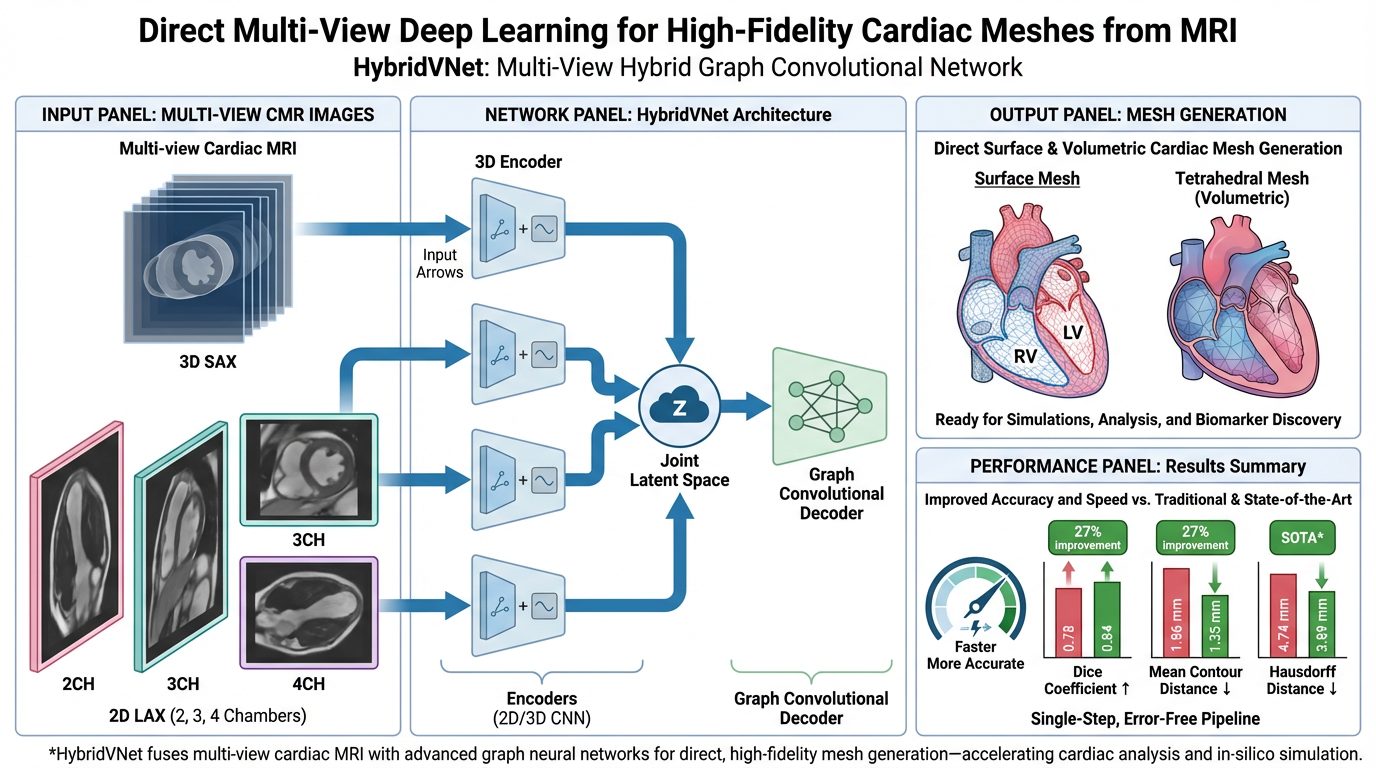 (2025). Multi-view Hybrid Graph Convolutional Network for Volume-to-mesh Reconstruction in Cardiovascular MRI. Med Image Anal, 104:103630. DOI: 10.1016/j.media.2025.103630.
 - (2025). In-Silico Neurosurgery: Toward Safe, Effective and Equitable Flow Diverter Treatment of Intracranial Aneurysms. World Neurosurg, 195:123589. DOI: 10.1016/j.wneu.2024.123589.
-
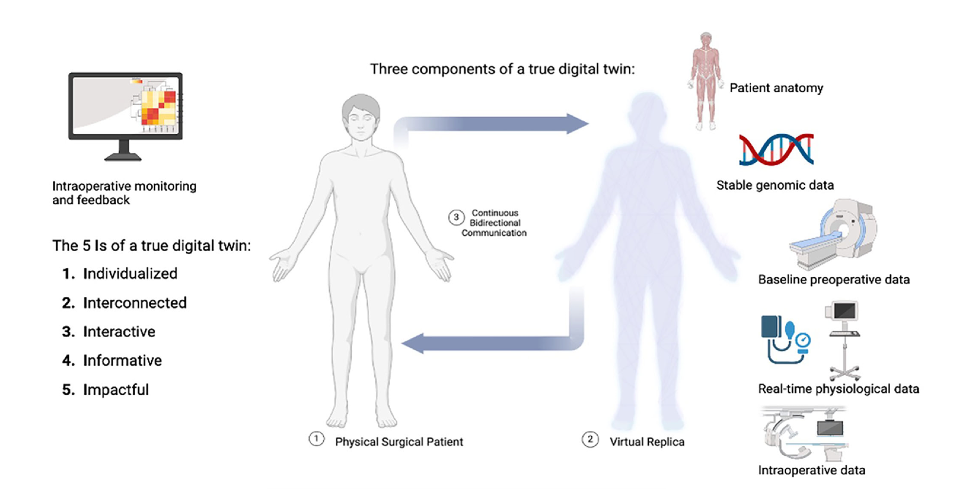 (2025). Digital twins for the era of personalized surgery. NPJ Digit Med, 8(1):283. DOI: 10.1038/s41746-025-01575-5.
 -
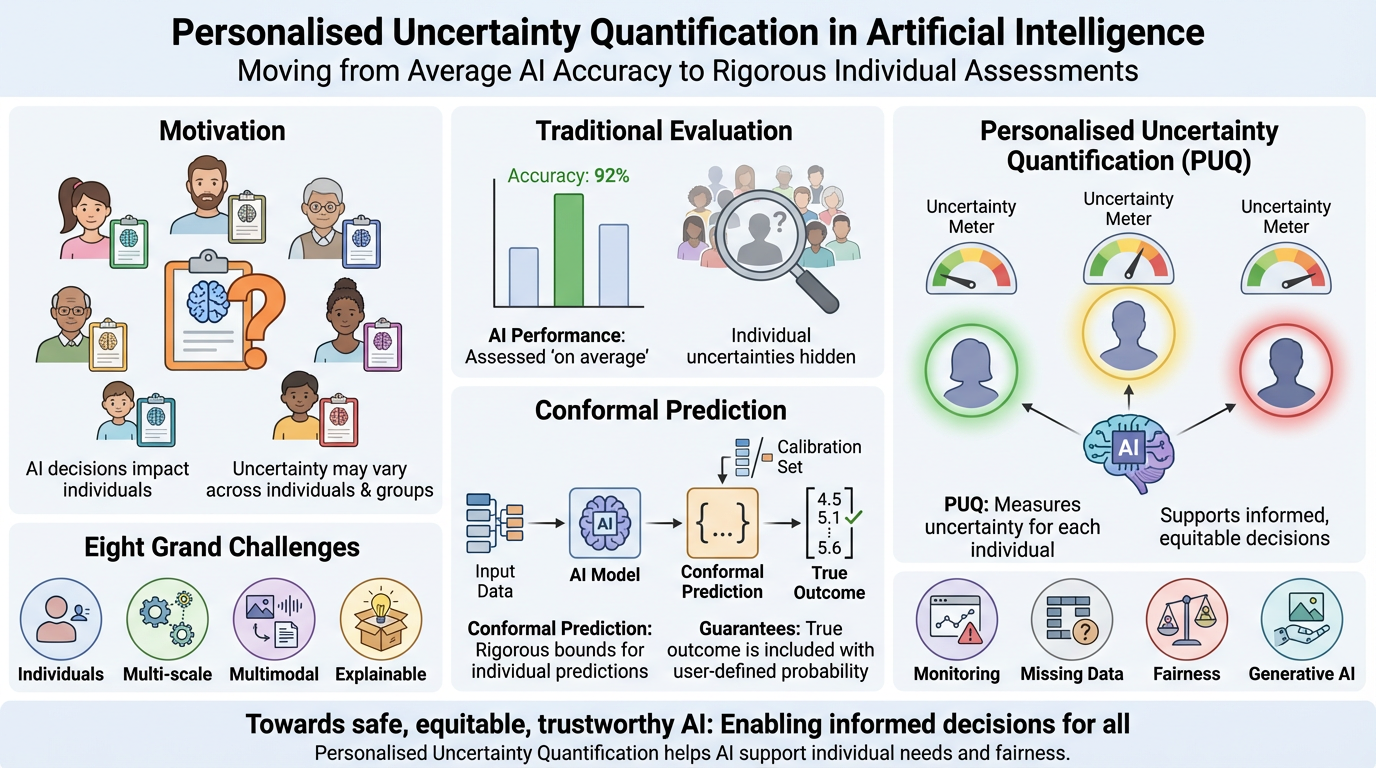 (2025). Personalized uncertainty quantification in artificial intelligence. Nat. Mach. Intell., 7:522–530. DOI: 10.1038/s42256-025-01024-8.
 - (2025). A Survey of Intracranial Aneurysm Detection and Segmentation. Med Image Anal., 101:103493. DOI: 10.1016/j.media.2025.103493.
-
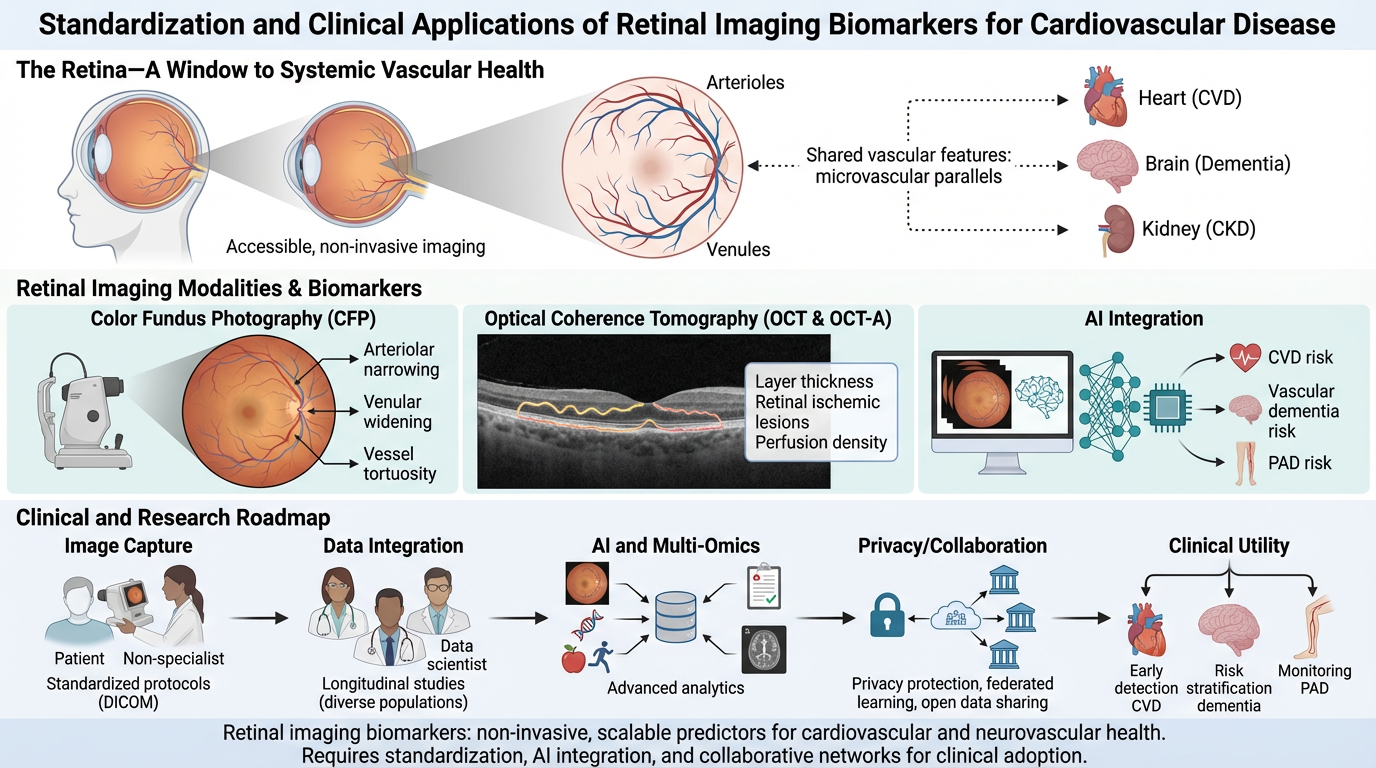 (2025). Standardization and Clinical Applications of Retinal Imaging Biomarkers for Cardiovascular Disease: NHLBI Workshop/Roadmap. Nat Rev Cardiol., 22(1):47–63. DOI: 10.1038/s41569-024-01060-8.
 - (2025). Development and External Validation of [18F]FDG PET-CT-Derived Radiomic Models for Prediction of Abdominal Aortic Aneurysm Growth Rate. Algorithms, 18(2):86. DOI: 10.3390/a18020086.
-
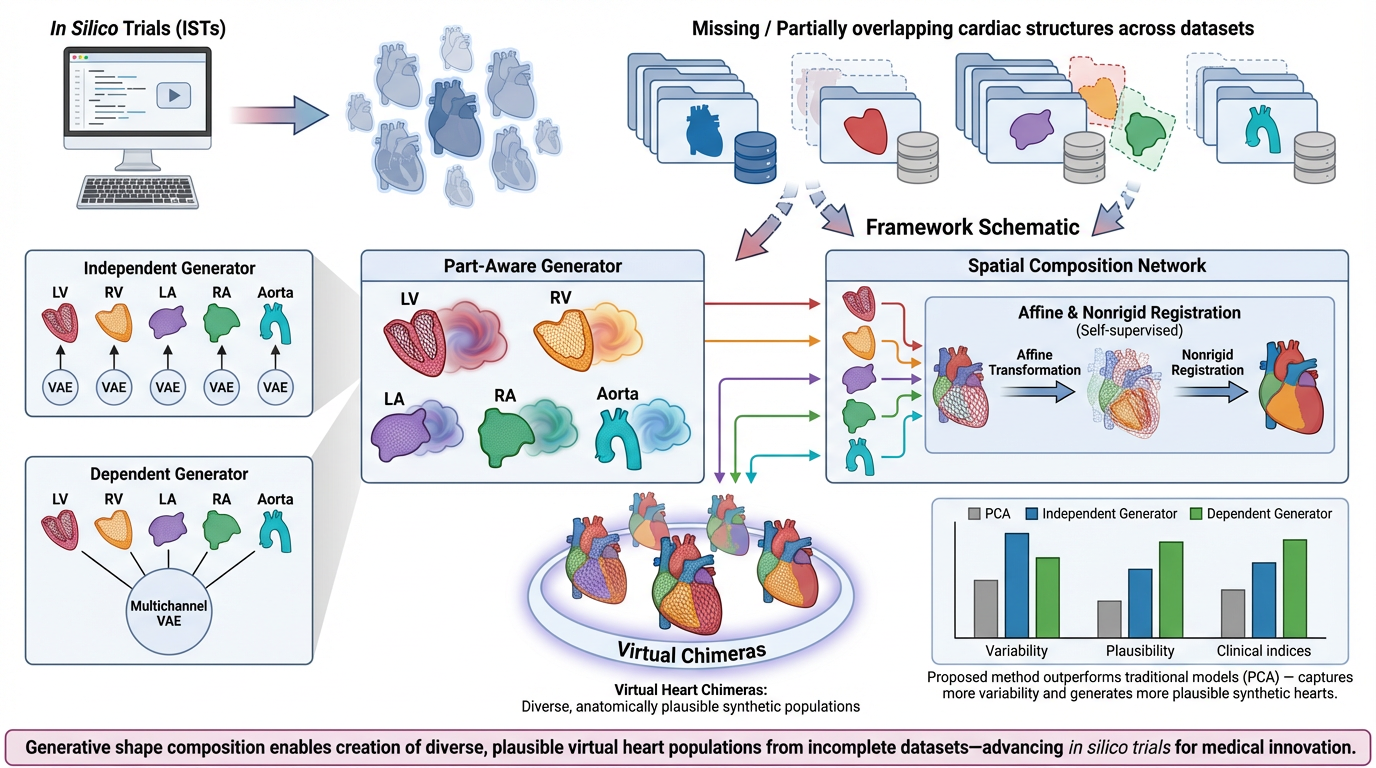 (2025). A Generative Shape Compositional Framework to Synthesize Populations of Virtual Chimeras. IEEE Trans Neural Netw Learn Syst., 36(3):4750–4764. DOI: 10.1109/tnnls.2024.3374121.
 -
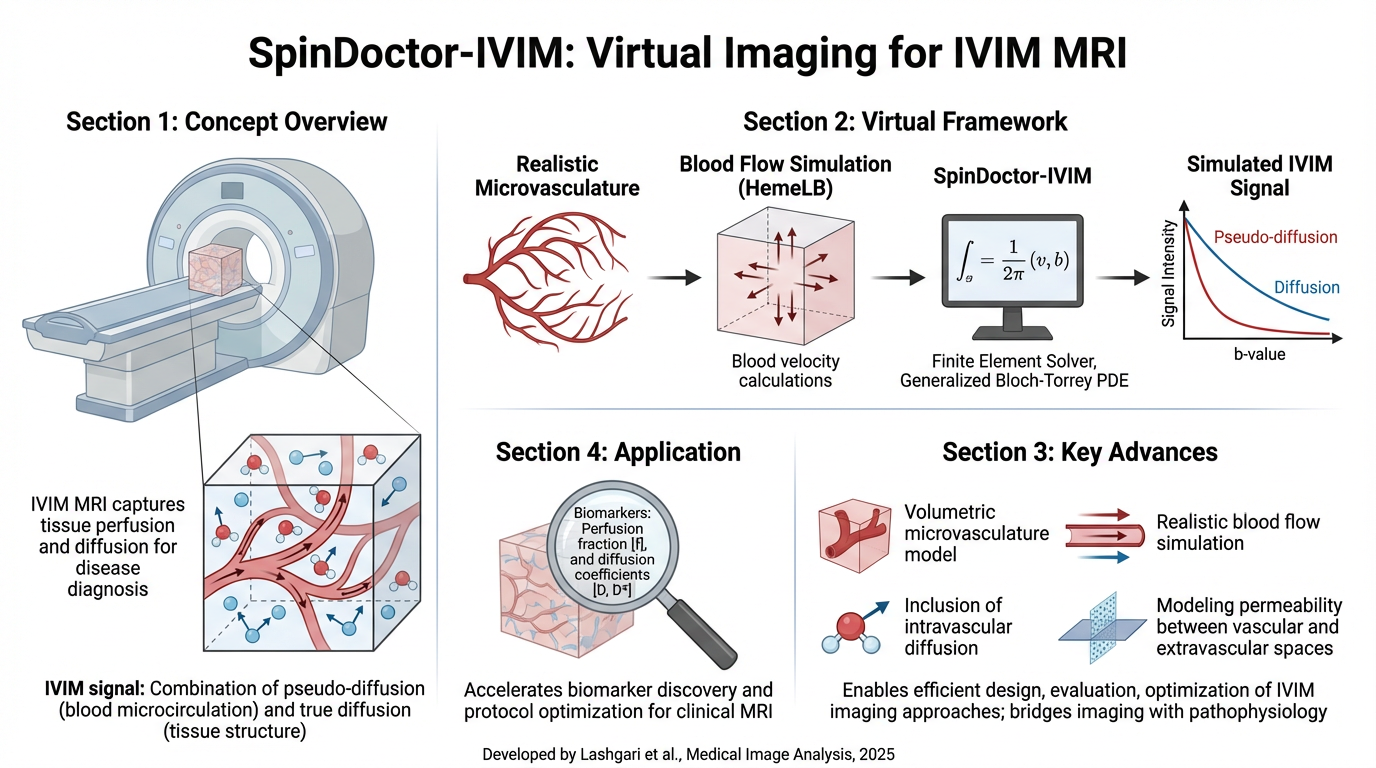 (2025). SpinDoctor-IVIM: A virtual imaging framework for intravoxel incoherent motion MRI. Med Image Anal., 99:103369. DOI: 10.1016/j.media.2024.103369.
 - (2025). Virtual imaging trials in medicine: A brief takeaway of the lessons from the first international summit. Med Phys, 52(3):1950–1959. DOI: 10.1002/mp.17587.
- (2025). Attention-Guided Hierarchical Fusion U-Net for Uncertainty-driven Medical Image Segmentation. Inf. Fusion, 1154:102719. DOI: 10.1016/j.inffus.2024.102719.
- (2025). FORUM roundtable: Regulating AI and computational models in clinical trials. The Academy of Medical Sciences. Available at: https://acmedsci.ac.uk/policy/policy-projects/regulating-ai-and-computational-models-in-clinical-trials.Chairs: Ashby, D. and O’Connor, D. Contributor: Frangi, A. F. Held in partnership with the Regulatory Innovation Office (RIO).


2024
- (2024). 4D-Precise: Learning-based 3D motion estimation and high temporal resolution 4DCT reconstruction from treatment 2D+t X-ray projections. Computer Methods and Programs in Biomedicine, 250:108158. DOI: 10.1016/j.cmpb.2024.108158.
- (2024). Risk factors for raised left ventricular filling pressure by cardiovascular magnetic resonance: Prognostic insights. ESC Heart Fail, 11(6):4148–4159. DOI: 10.1002/ehf2.15011.
- (2024). Concurrent Left Ventricular Myocardial Diffuse Fibrosis and Left Atrial Dysfunction Strongly Predict Incident Heart Failure. JACC Cardiovasc Imaging, 17(5):560–562. DOI: 10.1016/j.jcmg.2023.11.006.
- (2024). Towards widespread use of virtual trials in medical imaging innovation and regulatory science. Med Phys., 51(12):9394–9404. DOI: 10.1002/mp.17442.
- (2024). Beyond images: an integrative multi-modal approach to chest x-ray report generation. Front Radiol., 4:1339612. DOI: 10.3389/fradi.2024.1339612.
-
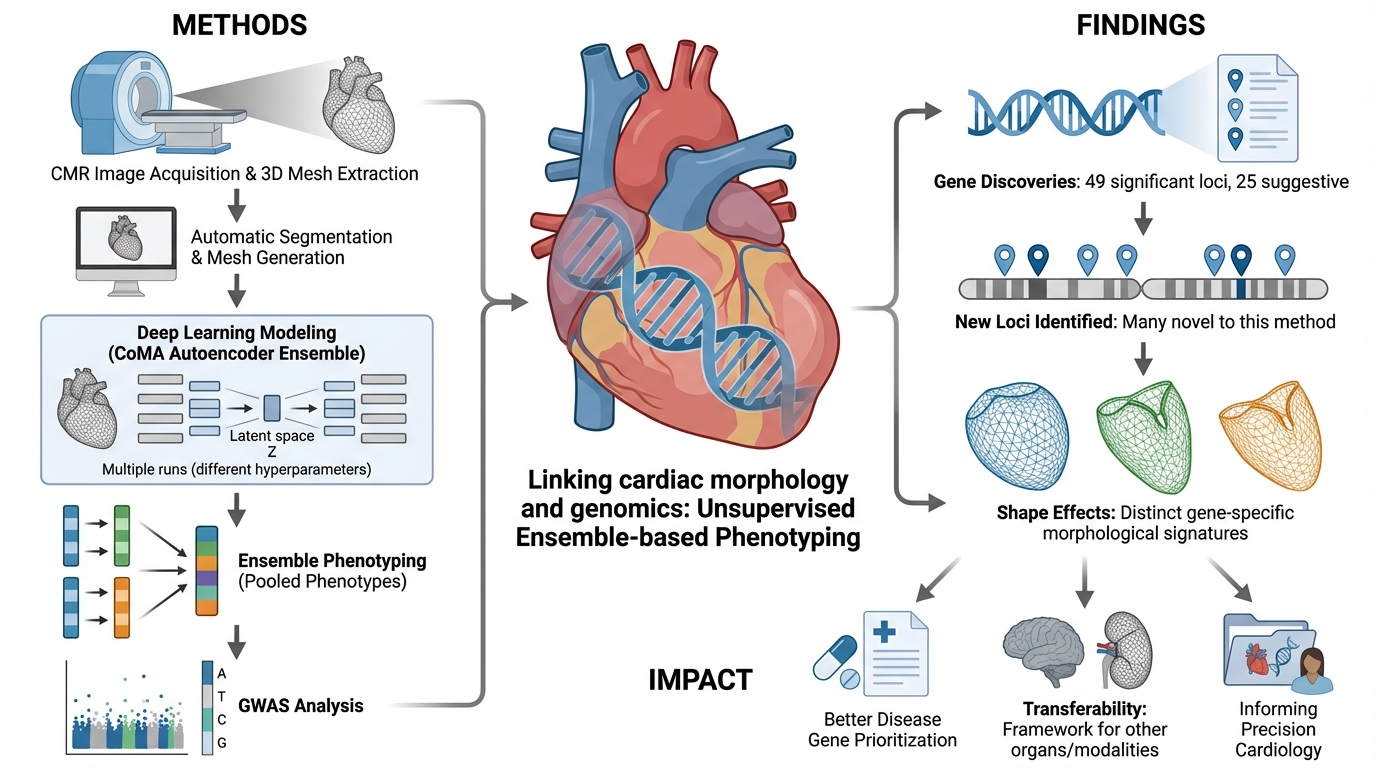 (2024). Unsupervised ensemble-based phenotyping enhances gene discoverability in imaging genetics: new associations from left-ventricular morphology. Nature Mach. Intell., 6(3):291–306. DOI: 10.1038/s42256-024-00801-1.
 - (2024). Joint shape/texture representation learning for cardiovascular disease diagnosis from MRI. Eur Heart J - Imag Meth Practice, 2(1):qyae042. DOI: 10.1093/ehjimp/qyae042.
- (2024). Retinal imaging for the assessment of stroke risk: a systematic review. J Neurol., 271(5):2285–2297. DOI: 10.1007/s00415-023-12171-6.
- (2024). Multi-centre benchmarking of deep learning models for COVID-19 detection in chest x-rays. Front. Radiol., 4:1386906. DOI: 10.3389/fradi.2024.1386906.
- (2024). Joint magnetic resonance imaging artifacts and noise reduction on discrete shape space of images. Pattern Recognit., 153:110495. DOI: 10.1016/j.patcog.2024.110495.
- (2024). Accelerated simulation methodologies for computational vascular flow modelling. J R Soc Interface, 21:20230565. DOI: 10.1098/rsif.2023.0565.
- (2024). Reduced order modelling of intracranial aneurysm flow using proper orthogonal decomposition and neural networks. Int J Numer Meth Biomed Eng., 40(10):e3848. DOI: 10.1002/cnm.3848.
- (2024). COSTA: A Multi-center TOF-MRA Dataset and A Style Self-Consistency Network for Cerebrovascular Segmentation. IEEE Trans Med Imaging., 43(12):4442–4456. DOI: 10.1109/tmi.2024.3424976.
-
- (2024). Compressed Sensing using a Deep Adaptive Perceptual Generative Adversarial Network for MRI Reconstruction from Undersampled K-space Data. Biomed Signal Process Control., 96:106560. DOI: 10.1016/j.bspc.2024.106560.
- (2024). Automatic Plane Pose Estimation for Cardiac Left Ventricle Coverage Estimation via Deep Adversarial Regression Network. IEEE Trans Artif Intell., 5(4):4738–4752. DOI: 10.1109/tai.2024.3394798.
- (2024). Fuzzy Attention-based Border Rendering Orthogonal Network for Lung Organ Segmentation.. IEEE Trans Fuzzy Syst., 32(10):5462–5476. DOI: 10.1109/tfuzz.2024.3433506.
- (2024). Early Detection of Dementia through Retinal Imaging and Trustworthy AI. Nature Digit Med., 7(1):294. DOI: 10.1038/s41746-024-01292-5.
- (2024). Hip Implant Segmentation and Gruen Landmarks Detection. IEEE J Biomed Health Inform, 28(1):333–342. DOI: 10.1109/jbhi.2023.3323533.
- (2024). Deep segmentation of OCTA for evaluation and association of changes of retinal microvasculature with Alzheimer’s disease and mild cognitive impairment. Br J Ophthalmol., 108(3):432–439. DOI: 10.1136/bjo-2022-321399.
- (2024). Method and Apparatus for Controlled Generation of Virtual Anatomical Population Models. Patent Application PCT/GB2024/051608. World Intellectual Property Organization.
- (2024). Statistical learning methods in deep cardiac phenotyping for population imaging and imaging genetics. PhD Thesis, University of Leeds. Supervised by .

2023
- (2023). Correction: Contribution of Shape Features to Intradiscal Pressure and Facets Contact Pressure in L4/L5 FSUs: An In-Silico Study. Annals of Biomedical Engineering, 51(3):642–642. DOI: 10.1007/s10439-023-03149-6.
- (2023). Guest Editorial Special Issue on Geometric Deep Learning in Medical Imaging. IEEE Transactions on Medical Imaging, 42(2):332–335. DOI: 10.1109/tmi.2022.3231755.
- (2023). Virtual high-resolution MR angiography from non-angiographic multi-contrast MRIs: synthetic vascular model populations for in-silico trials. Medical Image Analysis, 87:102814. DOI: 10.1016/j.media.2023.102814.
- (2023). Hercules: Deep Hierarchical Attentive Multi-Level Fusion Model with Uncertainty Quantification for Medical Image Classification. IEEE Trans Industr Inform., 19(1):274–285. DOI: 10.1109/tii.2022.3168887.
- (2023). From Nano to Macro: An Overview of the IEEE Bio Image and Signal Processing Technical Committee. IEEE Signal Process Mag., 40(4):61–71. DOI: 10.1109/msp.2023.3242833.
- (2023). Toxicity Prediction in Pelvic Radiotherapy Using Multiple Instance Learning and Cascaded Attention Layers.. IEEE J Biomed Health Inform., 27(4):1958-.1966. DOI: 10.1109/jbhi.2023.3238825.
- (2023). Measuring Cardiomyocyte Cellular Characteristics in Cardiac Hypertrophy using Diffusion-Weighted MRI. Magn Res Med., 90(5):2144–2157. DOI: 10.1002/mrm.29775.
- (2023). Editorial: Insights in AI: Medicine and public health 2022. Front Artif Intell., 2:1166426. DOI: 10.3389/frai.2023.1166426.
- (2023). Fully Automatic initialization and segmentation of left and right ventricles for large-scale cardiac MRI using a deeply supervised network and 3D-ASM. Comput Methods Programs Biomed, 240:107679. DOI: 10.2139/ssrn.4341036.
- (2023). Contribution of shape features to intradiscal pressure and facets contact pressure in L4/L5 FSUs: An in-silico study. Ann Biomed Eng., 51(1):174–78. DOI: 10.1007/s10439-022-03072-2.
- (2023). High-Throughput 3DRA Segmentation of Brain Vasculature and Aneurysms using Deep Learning. Comput Methods Programs Biomed, 230:107355. DOI: 10.1016/j.cmpb.2023.107355.
- (2023). Hemodynamics of thrombus formation in intracranial aneurysms: An in silico observational study. APL Bioeng, 7(3):036102. DOI: 10.1063/5.0144848.
- (2023). RecON: Online learning for sensorless freehand 3D ultrasound reconstruction. Med Image Anal., 87:102810. DOI: 10.1016/j.media.2023.102810.
-
- (2023). Multi-Center and Multi-Channel Pooling GCN for Early AD Diagnosis Based on Dual-Modality Fused Brain Network. IEEE Trans Med Imaging., 42(2):354–67. DOI: 10.1109/tmi.2022.3187141.
- (2023). DragNet: learning-based deformable registration for realistic cardiac MR sequence generation from a single frame. Med Image Anal., 83:102678. DOI: 10.1016/j.media.2022.102678.
- (2023). Physics-informed Deep Learning for Musculoskeletal Modelling: Predicting Muscle Forces and Joint Kinematics from Surface EMG. IEEE Trans. Neural Syst. Rehabilitation Eng., 31:484–493. DOI: 10.1109/tnsre.2022.3226860.
- (2023). Boosting Personalised Musculoskeletal Modelling with Physics-informed Knowledge Transfer. IEEE Trans Instrum Meas., 72:1–11. DOI: 10.1109/tim.2022.3227604.
- (2023). Unlocking the power of computational modelling and simulation across the product lifecycle in life sciences: A UK Landscape Report. Sounder, safer, faster, and more sustainable innovation and regulatory evidence of medicines and healthcare products. InSilicoUK Innovation Network.
- (2023). Method and apparatus for generating subject-specific magnetic resonance angiography images from other multi-contrast magnetic resonance images. Patent Application No 18/242,982. US Patent and Trademark Office.
- (2023). Method and Apparatus for Generating Virtual Populations of Anatomy. Patent Application PCT/EP2023/077300. World Intellectual Property Organization.
2022
- (2022). An Open Access Chamber Designed for the Acoustic Characterisation of Microbubbles. Applied Sciences, 12(4):1818. DOI: 10.3390/app12041818.
- (2022). Author Correction: Development and clinical deployment of a smartphone-based visual field deep learning system for glaucoma detection. npj Digital Medicine, 5(1):38. DOI: 10.1038/s41746-022-00585-x.
- (2022). Dynamic feature learning for COVID-19 segmentation and classification. Computers in Biology and Medicine, 150:106136. DOI: 10.1016/j.compbiomed.2022.106136.
- (2022). Guest Editorial Generative Adversarial Networks in Biomedical Image Computing. IEEE Journal of Biomedical and Health Informatics, 26(1):4–6. DOI: 10.1109/jbhi.2021.3134004.
- (2022). IFT-Net: Interactive Fusion Transformer Network for Quantitative Analysis of Pediatric Echocardiography. Medical Image Analysis, 82:102648. DOI: 10.1016/j.media.2022.102648.
- (2022). What is next for screening for undiagnosed atrial fibrillation? Artificial intelligence may hold the key. European Heart Journal - Quality of Care and Clinical Outcomes, 8(4):391–397. DOI: 10.1093/ehjqcco/qcab094.
-
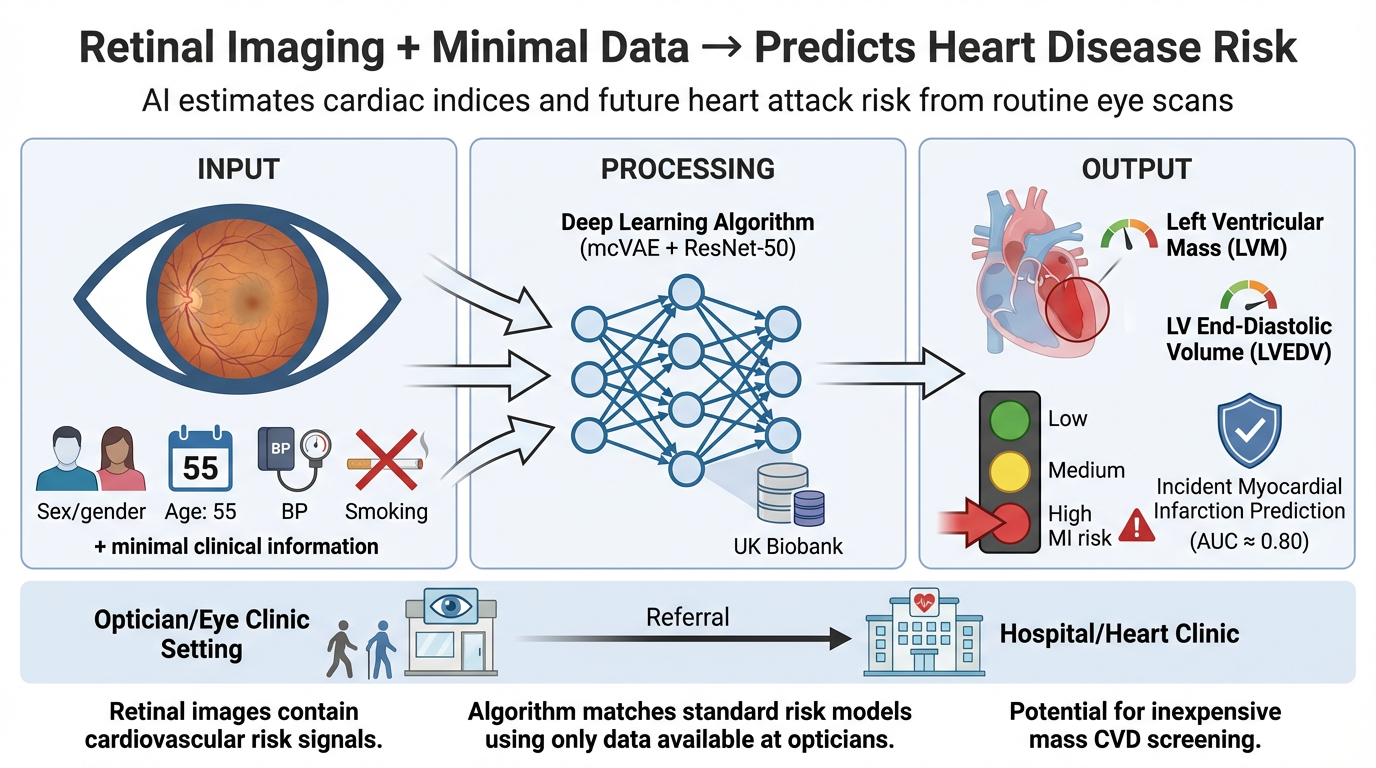 (2022). Predicting Infarction through your Retinal Scans and Minimal Personal Information. Nat Machine Intel., 4(1):55–61. DOI: 10.1038/s42256-021-00427-7. Available at: https://doi.org/10.1038/s42256-021-00427-7.
 - (2022). Quantitating Age-Related BMD Textural Variation from DXA Region-Free-Analysis: A Study of Hip Fracture Prediction in Three Cohorts. J Bone Miner Res., 37(9):1679–1688. DOI: 10.1002/jbmr.4638.
- (2022). Discovery of Pre-Treatment FDG PET/CT-Derived Radiomics-Based Models for Predicting Outcome in Diffuse Large B-Cell. Cancers, 14(7):1711. DOI: 10.3390/cancers14071711.
- (2022). Utility of pre-treatment FDG PET/CT–derived machine learning models for outcome prediction in classical Hodgkin lymphoma. Eur Radiol, 32(10):7237–7247. DOI: 10.1007/s00330-022-09039-0.
- (2022). The Pitfalls of Using Open Data to Develop Deep Learning Solutions for COVID-19 Detection in Chest X-Rays. Stud Health Technol Inform., 6:679–83. DOI: 10.3233/shti220164.
- (2022). Parkinson’s Disease Classification and Clinical Score Regression via United Embedding and Sparse Learning from Longitudinal Data. IEEE Trans Neural Netw Learn Syst., 33(8):3357–3371. DOI: 10.1109/tnnls.2021.3052652.
- (2022). Three-dimensional micro-structurally informed in silico myocardium– towards virtual imaging trials in cardiac diffusion-weighted MRI. Med Image Anal., 82:102592. DOI: 10.1016/j.media.2022.102592.
- (2022). Guest Editorial Special Section on Surgical Vision, Navigation, and Robotics. IEEE Trans Med Robot Bionics., 4(1):2–4. DOI: 10.1109/TMRB.2022.3147605.
- (2022). Learning to complete incomplete hearts for population analysis of cardiac MR images. Med Image Anal., 77:102354. DOI: 10.1016/j.media.2022.102354.
- (2022). Automatic 3D+t Four-Chamber CMR Quantification of the UK Biobank: integrating imaging and non-imaging data priors at scale. Med Image Anal., 80:102498. DOI: 10.1016/j.media.2022.102498.
- (2022). A probabilistic deep motion model for unsupervised cardiac shape anomaly assessment. Med Image Anal., 75:e052887. DOI: 10.1016/j.media.2021.102276.
- (2022). Determination of Cardiac Functional Indexes. Patent Filed No PCT/IB2022/053356. World Intellectual Property Organization.

2021
- (2021). Intrinsic layer based automatic specular reflection detection in endoscopic images. Computers in Biology and Medicine, 128:104106. DOI: 10.1016/j.compbiomed.2020.104106.
- (2021). Shape registration with learned deformations for 3D shape reconstruction from sparse and incomplete point clouds. Medical Image Analysis, 74:102228. DOI: 10.1016/j.media.2021.102228.
- (2021). Super-Resolution of Cardiac MR Cine Imaging using Conditional GANs and Unsupervised Transfer Learning. Medical Image Analysis, 71:102037. DOI: 10.1016/j.media.2021.102037.
- (2021). Tissue microarray (TMA) use in post mortem neuropathology. Journal of Neuroscience Methods, 347:108963. DOI: 10.1016/j.jneumeth.2020.108963.
- (2021). A Comparative Study of Spatio-Temporal U-Nets for Tissue Segmentation in Surgical Robotics. IEEE Trans Med Robotics Bionics., 3(1):53–63. DOI: 10.1109/tmrb.2021.3054326.
- (2021). Deep learning in medical image registration. Prog. Biomed. Eng., 3:012003. DOI: 10.1088/2516-1091/abd37c.
- (2021). Real-time coronary artery stenosis detection based on modern neural networks. Sci Rep., 11(1):7582. DOI: 10.21203/rs.3.rs-130610/v1.
- (2021). Analysis of Deep Neural Networks for Detection of Coronary Artery Stenosis. Program Comput Softw., 47:153–160. DOI: 10.1134/s0361768821030038.
- (2021). Baseline PET/CT imaging parameters for prediction of treatment outcome in Hodgkin and diffuse large B-cell lymphoma: A Systematic Review. Eur J Nucl Med Mol Imaging., 48(10):3198–3220. DOI: 10.1007/s00259-021-05233-2.
- (2021). Dual Attention Enhancement Feature Fusion Network for Segmentation and Quantitative Analysis of Paediatric Echocardiography. Med Image Anal., 71:102042. DOI: 10.1016/j.media.2021.102042.
- (2021). Automatic segmentation of left and right ventricles in cardiac MRI using 3D-ASM and deep learning. Signal Process Image Commun., 96:116303. DOI: 10.1016/j.image.2021.116303.
- (2021). Auto-weighted Centralised Multi-Task Learning via Integrating Functional and Structural Connectivity for Subjective Cognitive Decline Diagnosis. Med Image Anal., 74:102248. DOI: 10.1016/j.media.2021.102248.
- (2021). Origami: Single-cell 3D shape dynamics oriented along the apico-basal axis of folding epithelia from fluorescence microscopy. PLoS Comp Biol., 17(11):e1009063. DOI: 10.1371/journal.pcbi.1009063.
- (2021). Medical imaging and computational image analysis in COVID-19 diagnosis: A review. Comput Biol Med., 135:104605. DOI: 10.1016/j.compbiomed.2021.104605.
- (2021). Predicting patient-level new-onset atrial fibrillation from population-based nationwide electronic health records: protocol of FIND-AF for developing a precision medicine prediction model using artificial intelligence. BMJ Open., 11(11):e052887. DOI: 10.1136/bmjopen-2021-052887.
- (2021). MICaps: Multi-Instance Capsule Network for Machine Inspection of Munro’s Microabscess. Comp Biol Med., 140:105071. DOI: 10.1016/j.compbiomed.2021.105071.
-
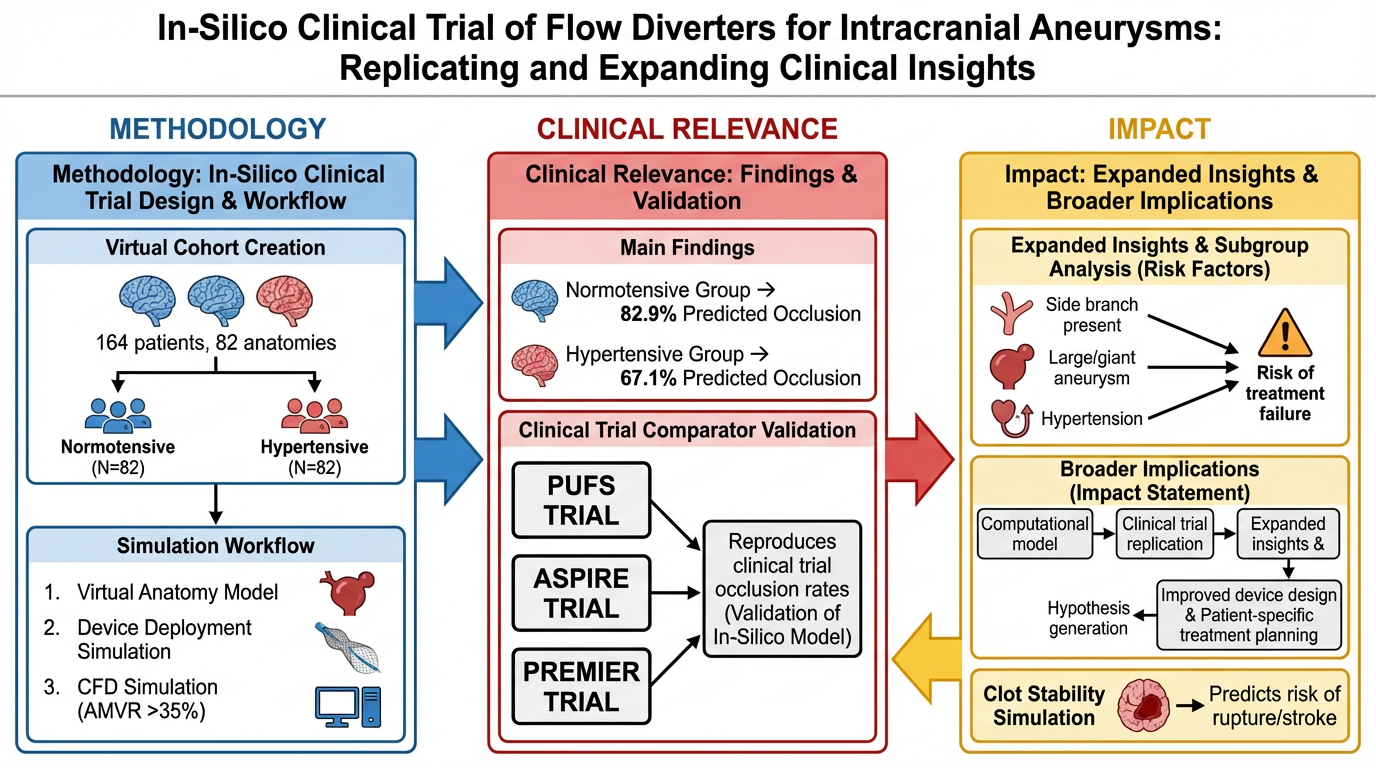 (2021). In-silico trial of intracranial flow diverters replicates and expands insights from conventional clinical trials: Supplementary material. Nat Comm., 12(1):3861. DOI: 10.1038/s41467-021-23998-w.
 - (2021). Interdisciplinary research: shaping the healthcare of the future. Future Healthc J., 8(2):e218–e223. DOI: 10.7861/fhj.2021-0025.
- (2021). Graph Convolution Network with Similarity Awareness and Adaptive Calibration for Disease-induced Deterioration Prediction. Med Image Anal., 61(101947). DOI: 10.1016/j.media.2020.101947.
- (2021). Medicine-Based Evidence in Congenital Heart Disease: How Artificial Intelligence Can Guide Treatment Decision. Front Cardiovasc Med., 8:798215. DOI: 10.3389/fcvm.2021.798215.
- (2021). OpenMandible: An open-source framework for highly realistic numerical modelling of lower mandible physiology. Dent Mater., 37(4):612–624. DOI: 10.1016/j.dental.2021.01.009.
- (2021). Contrastive Rendering with Semi-supervised Learning for Ovary and Follicle Segmentation from 3D Ultrasound. Med Image Anal., 73:102134. DOI: 10.1016/j.media.2021.102134.
- (2021). Am (A)I human? Building Safer and More Effective Medical Devices with Virtual Twins. Pint of Science, Leeds. Available at: https://pintofscience.co.uk/event/hear-me-out.
- (2021). Clinical Trials for Medicines and New Medical Procedures. BBC World Service Radio. Available at: https://www.bbc.co.uk/programmes/w172xv2pndhs8lj.
- (2021). Os ensaios clı́nicos virtuais estão a caminho (e podem ser mais práticos e baratos). aeiou. Available at: https://zap.aeiou.pt/ensaios-clinicos-virtuais-a-caminho-418520.
- (2021). Using virtual populations for clinical trials. Science Daily. Available at: https://www.sciencedaily.com/releases/2021/06/210623091139.htm.
- (2021). Rewrite the Rules. Lifesciences Integrates. Available at: https://www.lifescienceintegrates.com/medtech-integrates-agenda-2021/#rewrite.
- (2021). Replace, Reduce, Refine: In-Silico Trials in The Spotlight. Clinical OMICs. Available at: https://www.clinicalomics.com/topics/patient-care/cardiovascular-disease/replace-reduce-refine-in-silico-trials-in-the-spotlight.
- (2021). ’Huge potential’ in virtual clinical trials. University of Leeds. Available at: https://www.leeds.ac.uk/news-health/news/article/4850/huge-potential-in-virtual-clinical-trials.
- (2021). Virtual clinical trials are on their way. The Economist. Available at: https://www.economist.com/science-and-technology/2021/07/01/virtual-clinical-trials-are-on-their-way.
- (2021). Virtual Patients for Evaluating Medical Devices. BBC Digital Planet. Available at: https://www.bbc.co.uk/programmes/w3ct1lsg.

2020
- (2020). Virtual clinical trials in medical imaging: a review.. J Medical Imaging., 7(4):042805. DOI: 10.1117/1.jmi.7.4.042805.
- (2020). An Automatic Framework for Endoscopic Image Restoration and Enhancement. Appl Intell., 51(1959-–1971). DOI: 10.1007/s10489-020-01923-w.
- (2020). Autonomous Tissue Retraction in Robotic Assisted Minimally Invasive Surgery - A Feasibility Study.. IEEE Robot Autom Lett., 5(4):6528–35. DOI: 10.1109/lra.2020.3013914.
- (2020). Groupwise Registration with Global-local Graph Shrinkage in Atlas Construction.. Med Image Anal., 64:101711. DOI: 10.1016/j.media.2020.101711.
- (2020). AIDAN: An Attention-guided Dual-path Network for Pediatric Echocardiography Segmentation. IEEE Access., 8(1):29176–29187. DOI: 10.1109/access.2020.2971383.
- (2020). Population-specific modelling of between/within-subject flow variability in the carotid arteries of the elderly.. Int J Num Meth Biomed Eng., 36(1):e3271. DOI: 10.1002/cnm.3271.
- (2020). Self-calibrated Brain Network Estimation and Joint Non-Convex Multi-Task Learning for Identification of Early Alzheimer’s Disease. Med Image Anal., 61:101652. DOI: 10.1016/j.media.2020.101652.
- (2020). Early Alzheimer’s Disease Diagnosis Based on Dynamic High Order Networks. Brain Imaging Behav., 15(1):276–287. DOI: 10.1007/s11682-019-00255-9.
-
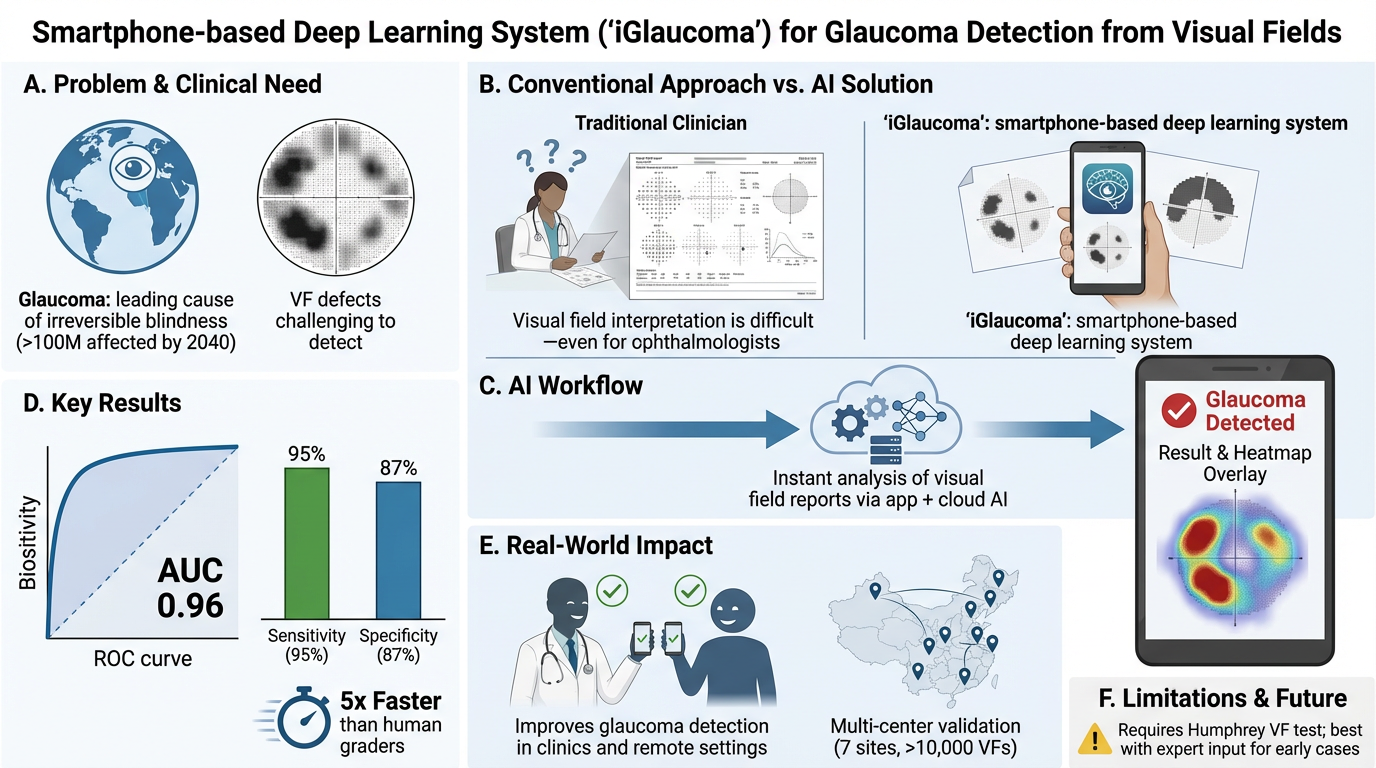 (2020). Development and clinical deployment of a smartphone-based visual field deep learning system for glaucoma detection (iGlaucoma): a multicenter study. Nature Digit Med., 22(3):123. DOI: 10.1038/s41746-020-00329-9.
 - (2020). The UK Biobank imaging enhancement of 100,000 participants: rationale, data collection, management and future directions.. Nat Comm., 11(1):2624–. DOI: 10.1038/s41467-020-15948-9.
- (2020). Radiomics-based assessment of Primary Sjögren’s Syndrome from salivary gland ultrasonography images.. IEEE J Biomed Health Inform., 24(3):835–843. DOI: 10.1109/jbhi.2019.2923773.
- (2020). Tensor-cut: A Tensor-based Graph-cut Blood Vessel Segmentation Method and Its Application to Renal Artery Segmentation. Med Image Anal., 60:101623. DOI: 10.1016/j.media.2019.101623.
- (2020). Recovering from Missing Data in Population Imaging - Cardiac MR Image Imputation via Conditional Generative Adversarial Nets. Med Image Anal., 67:101812. DOI: 10.1016/j.media.2020.101812.

2019
- (2019). Author Correction: Why rankings of biomedical image analysis competitions should be interpreted with care. Nature Communications, 10(1):588. DOI: 10.1038/s41467-019-08563-w.
- (2019). Quantitative CMR Population Imaging on 20,000 Subjects of the UK Biobank Imaging Study: LV/RV Quantification Pipeline and its Evaluation. Med Image Anal., 25(56):26–42. DOI: 10.1016/j.media.2019.05.006.
- (2019). Resolving degeneracy in diffusion MRI biophysical model parameter estimation using double diffusion encoding.. Magn Res Med., 82(1):395–41. DOI: 10.1002/mrm.27714.
- (2019). Histological data of axons, astrocytes, and myelin in deep subcortical white matter populations.. Data Brief, 6(23):103762. DOI: 10.1016/j.dib.2019.103762.
- (2019). Retinal Image Synthesis and Semi-supervised Learning for Glaucoma Assessment.. IEEE Trans Med Imaging., 38(9):2211–2218. DOI: 10.1109/tmi.2019.2903434.
- (2019). Strategic research agenda for biomedical imaging. Insights into Imaging, 10(7). DOI: 10.1186/s13244-019-0684-z.
- (2019). A Spatio-Temporal Ageing Atlas of the Proximal Femur.. IEEE Trans Med Imaging., 39(5):1359–1368. DOI: 10.1109/tmi.2019.2945219.
- (2019). Diffusion MRI For Assessment of Bone Quality; A Review of Findings in Healthy Aging and Osteoporosis.. J Magn Res Imaging., 51(4):975–992. DOI: 10.1002/jmri.26973.
- (2019). Bayesian Polytrees with Learned Deep Features for Multi-Class Cell Segmentation.. IEEE Trans Image Process., 28(7):3246–3260. DOI: 10.1109/tip.2019.2895455.
- (2019). Editorial IJCARS-MICCAI 2018 Special Issue. Int J Comput Assist Radiol Surg., 14(9):1461. DOI: 10.1007/s11548-019-02067-0.
- (2019). Quantitative histomorphometry of capillary microstructure in deep white matter. NeuroImage: Clin., 25(23):101839. DOI: 10.1016/j.nicl.2019.101839.
- (2019). Population-based Bayesian regularization for microstructural diffusion MRI with NODDIDA. Magn Res Med., 82(4):1553–1565. DOI: 10.1002/mrm.27831.
- (2019). Generalised coherent point drift for group-wise multi-dimensional analysis of diffusion brain MRI data.. Med Image Anal.(53):47–63. DOI: 10.1016/j.media.2019.01.001.
- (2019). A computational model for prediction of clot platelet content in flow-diverted intracranial aneurysms. J Biomech., 25(91):7–13. DOI: 10.1016/j.jbiomech.2019.04.045.
- (2019). Editorial: Special Issue on MICCAI 2018.. Med Image Anal., 58:101560. DOI: 10.1016/j.media.2019.101560.
- (2019). Computer-Aided Detection of Lung Nodules: A Review.. J Med Imaging., 6(2):020901. DOI: 10.1117/1.jmi.6.2.020901.
- (2019). Deep Motion Tracking from Multiview Angiographic Image Sequences for Synchronization of Cardiac Phases.. Phys Med Biol., 64(2):025018. DOI: 10.1088/1361-6560/aafa06.
- (2019). Patch-Based Adaptive Background Subtraction for Vascular Enhancement in X-Ray Cineangiograms.. IEEE J Biomed Health Inform., 23(6):2563–2575. DOI: 10.1109/jbhi.2019.2892072.
- (2019). Fluid-Structure Interaction for Highly Complex, Statistically Defined, Biological Media: Homogenisation and a 3D Multi-Compartmental Poroelastic Model for Brain Biomechanics. J Fluids Struct, 91:102641. DOI: 10.1016/j.jfluidstructs.2019.04.008.
- (2019). Highly integrated workflows for exploring cardiovascular conditions: Exemplars of precision medicine in Alzheimer’s disease and aortic dissection.. Morphologie., 103(343):148–160. DOI: 10.1016/j.morpho.2019.10.045.
- (2019). Beyond Episodic Memory: Semantic Processing as Independent redictor of Hippocampal/Perirhinal Volume in Aging and Mild Cognitive Impairmenet due to Alzheimer’s Disease. Neuropsychol., 33(4):523–533. DOI: 10.1037/neu0000534.
- (2019). Iba-1-/CD68+ microglia are a prominent feature of age-associated deep subcortical white matter lesions.. PLOS One., 14(1):e0210888. DOI: 10.1371/journal.pone.0210888.
- (2019). Automated retinal lesion detection via image saliency analysis.. Med Phys., 46(10):4531–44. DOI: 10.1002/mp.13746.
- (2019). Automatic Assessment of Full Left Ventricular Coverage in Cardiac Cine Magnetic Resonance Imaging with Fisher- Discriminative 3D CNN.. IEEE Trans Biomedical Eng., 60(7):1975–86. DOI: 10.1109/tbme.2018.2881952.
2018
- (2018). Multi-task learning approach for natural images’ quality assessment. Journal of Telecommunication, Electronic and Computer Engineering, 10(2-5):1–7. Available at: https://research.manchester.ac.uk/en/publications/multi-task-learning-approach-for-natural-images-quality-assessmen/.
- (2018). Automatic Initialization and Quality Control of Large-Scale Cardiac MRI Segmentations.. Med Image Anal.(43):129–145. DOI: 10.1016/j.media.2017.10.001.
- (2018). A Surface-based Approach to Determine Key Spatial Parameters of the Acetabulum in a Standardized Pelvic Coordinate.. Med Eng Phys., 52:22–30. DOI: 10.1016/j.medengphy.2017.11.009.
- (2018). Local volume fraction distributions of axons, astrocytes, and myelin in deep subcortical white matter.. Neuroimage, 179:275–287. DOI: 10.1016/j.neuroimage.2018.06.040.
- (2018). Characterization of Active and Infiltrative Tumorous Subregions from Normal Tissue in Brain Gliomas Using Multi-Parametric MRI.. J Mag Res Imaging., 48(4):938–950. DOI: 10.1002/jmri.25963.
- (2018). Mixture of probabilistic principal component analyzers for shapes from point sets. IEEE Trans Pattern Anal Mach Intell., 40(4):891–904. DOI: 10.1109/tpami.2017.2700276.
- (2018). Subject-specific multiporoelastic model for exploring the risk factors associated with the early stages of Alzheimer’s Disease.. Interface Focus., 8(1):e20170019. DOI: 10.1098/rsfs.2017.0019.
- (2018). Cross-Modality Image Synthesis via Weakly-Coupled and Geometry Co-Regularized Joint Dictionary Learning.. IEEE Trans Med Imaging., 37(3):815–827. DOI: 10.1109/tmi.2017.2781192.
- (2018). Screening for Cognitive Impairment by Model Assisted Cerebral Blood Flow Estimation.. IEEE Trans Biomedical Eng., 65(7):1654–1661. DOI: 10.1109/tbme.2017.2759511.
- (2018). Why rankings of biomedical image analysis competitions should be interpreted with care?. Nat Commun., 9(1):5217. DOI: 10.1038/s41467-018-07619-7.
- (2018). Simultaneous magnetic resonance diffusion and pseudo-diffusion tensor imaging. Magn Res Med., 79(4):2367–2378. DOI: 10.1002/mrm.26840.
- (2018). Classification of Breast Lesions in Ultrasonography Using Sparse Logistic Regression and Morphology-based Texture Features.. Med Phys., 45(9):4112–4124. DOI: 10.1002/mp.13082.
- (2018). Thrombosis in cerebral aneurysms and the computational modelling thereof: A review.. Front Physiol- Computational Physiology and Medicine., 9:e00306. DOI: 10.3389/fphys.2018.00306.
- (2018). Statistical shape modeling of the left ventricle: myocardial infarct classification challenge.. IEEE J Biomed Health Inform., 22(2):503–515. DOI: 10.1109/jbhi.2017.2652449.
- (2018). Reconstruction and structured meshing of coronary arteries from X-ray angiography.. Sci Reports., 8(1):1711ff. DOI: 10.1038/s41598-018-19440-9.
- (Eds.). (2018). Medical Image Computing and Computer-Assisted Intervention (MICCAI): Proceedings of the International Conference MICCAI 2018 – Part I: Image Quality and Artefacts; Image Reconstruction Methods; Machine Learning in Medical Imaging; Statistical Analysis for Medical Imaging; Image Registration Methods. Berlin: Springer-Verlag.ISBN: 978-3-030-00927-4. Series: Lecture Notes in Computer Science. Volume: 11070.
- (Eds.). (2018). Medical Image Computing and Computer-Assisted Intervention (MICCAI): Proceedings of the International Conference MICCAI 2018 – Part II: Optical and Histology Applications: Optical Imaging Applications; Histology Applications; Microscopy Applications; Optical Coherence Tomography and Other Optical Imaging Applications. Cardiac, Chest and Abdominal Applications: Cardiac Imaging Applications: Colorectal, Kidney and Liver Imaging Applications; Lung Imaging Applications; Breast Imaging Applications; Other Abdominal Applications. Berlin: Springer-Verlag.ISBN: 978-3-030-00933-5. Series: Lecture Notes in Computer Science. Volume: 11071.
- (Eds.). (2018). Medical Image Computing and Computer-Assisted Intervention (MICCAI): Proceedings of the International Conference MICCAI 2018 – Part III: Diffusion Tensor Imaging and Functional MRI: Diffusion Tensor Imaging; Diffusion Weighted Imaging; Functional MRI; Human Connectome. Neuroimaging and Brain Segmentation Methods: Neuroimaging; Brain Segmentation Methods.Series: Lecture Notes in Computer Science.
- (Eds.). (2018). Computational Methods and Clinical Applications in Musculoskeletal Imaging: Proceedings of the International Workshop and Challenge on Computational Musculoskeletal Imaging (MSKI2017). Berlin: Springer-Verlag.ISBN: 978-3-319-74112-3. Series: Lecture Notes in Computer Science. Volume: 10734.
2017
- (2017). Machine learning support to individual diagnosis of mild cognitive impairment using multimodal MRI and cognitive assessments. Alzheimer Dis Assoc Disord., 31(4):278–286. DOI: 10.1097/wad.0000000000000208.
- (2017). ApoE ε4 Allele Related Alterations in Hippocampal Connectivity in Early Alzheimer’s Disease Support Memory Performance. Curr Alzheimer Res, 14(7):766–77. DOI: 10.2174/1567205014666170206113528.
- (2017). Robustness of common hemodynamic indicators with respect to numerical resolution in 38 middle cerebral artery aneurysms. PLoS One, 12(6):e0177566. DOI: 10.1371/journal.pone.0177566.
- (2017). Quantitating the effect of prosthesis design on femoral remodeling using high-resolution region-free densitometric analysis (DXA-RFA). J Orthop Res., 35(10):2203–2210. DOI: 10.1002/jor.23536.
- (2017). Segmentation and Quantification for Angle-Closure Glaucoma Assessment in Anterior Segment OCT. IEEE Trans Med Imaging., 36(9):1930–1938. DOI: 10.1109/tmi.2017.2703147.
- (2017). Wall shear stress at the initiation site of cerebral aneurysms. Biomech Model Mechanobiol, 16. DOI: 10.1007/s10237-016-0804-3.
- (2017). An atlas- and data-driven approach to initializing reaction-diffusion systems in computer cardiac electrophysiology.. Int J Numer Method Biomed Eng., 33(8):e2846. DOI: 10.1002/cnm.2846.
- (2017). Multiresolution eXtended Free-Form Deformations (XFFD) for non-rigid registration with discontinuous transforms.. Med Image Anal, 36:113–122. DOI: 10.1016/j.media.2016.10.008.
- (2017). Support for Taverna workflows in the VPH-Share cloud platform. Comput Methods Programs Biomed, 146:37–46. DOI: 10.1016/j.cmpb.2017.05.006.
- (2017). Improved hybrid/GPU algorithm for solving cardiac electrophysiology problems on Purkinje networks.. Int J Numer Method Biomed Eng., 33(6):e2835. DOI: 10.1002/cnm.2835.
- (2017). PATCH-IQ: A patch based learning framework for blind image quality assessment.. Inform Sciences., 420:329–344. DOI: 10.1016/j.ins.2017.08.080.
- (2017). Evaluation of wave delivery methodology for brain MRE: insights from computational simulations. Magn Reson Med, 78(1):341–356. DOI: 10.1002/mrm.26333.
- (2017). Quantifying Pelvic Periprosthetic Bone Remodeling Using Dual-Energy X-Ray Absorptiometry Region-Free Analysis. J Clin Densitom., 20(4):480–485. DOI: 10.1016/j.jocd.2017.05.013.
- (2017). Quantification of 1 H-MRS signals based on sparse metabolite profiles in the time-frequency domain.. NMR Biomed., 30(2):e3675. DOI: 10.1002/nbm.3675.Keyword: MRS, continuous wavelet transformation (CWT), quantification, sparse representation.
- (2017). Interlacing Complexity Index for open flow systems based on mutual information. J Fluid Mech., 825:704–742. DOI: 10.1017/jfm.2017.392.
- (2017). Group-wise similarity registration of point sets using Student’s t-mixture model for statistical shape models.. Med Image Anal.(42):156–176. DOI: 10.1016/j.media.2017.11.012.
- (2017). Fully automatic and accurate detection of lung nodules in CT images using a hybrid feature set.. Med Phys, 44(7):3615–3629. DOI: 10.1002/mp.12273.
2016
-
- (2016). Learning Biomarker Models for Progression Estimation of Alzheimer’s Disease. PLOS ONE, 11(4):e0153040. DOI: 10.1371/journal.pone.0153040.
- (2016). An algorithm for the segmentation of highly abnormal hearts using a generic statistical shape model. IEEE Trans Med Imaging, 35(3):845–859. DOI: 10.1109/tmi.2015.2497906.
- (2016). Utility of real time 3D echocardiography for the assessment of left ventricular mass in patients with hypertrophic cardiomyopathy: comparison with cardiac magnetic resonance. Echocardiogr –J Card, 33(3):431–436. DOI: 10.1111/echo.13096.
- (2016). Intervertebral disc classification by its degree of degeneration from T2-weighted magnetic resonance images. Eur Spine J, 25(9):2721–2727. DOI: 10.1007/s00586-016-4654-6.
- (2016). Reconstruction of coronary arteries from x-ray angiography: a review. Med Image Anal, 32:46–68. DOI: 10.1016/j.media.2016.02.007.
- (2016). Precision imaging: more descriptive, predictive and integrative imaging. Med Image Anal, 33:27–32. DOI: 10.1016/j.media.2016.06.024.
- (2016). Evaluation of state-of-the-art segmentation algorithms for left ventricle infarct from late gadolinium enhancement MR images. Med Image Anal, 30:95–107. DOI: 10.1016/j.media.2016.01.004.
- (2016). Protective role of false tendon in subjects with left bundle branch block: a virtual population study. PLoS One, 11(1):e0146477. DOI: 10.1371/journal.pone.0146477.
- (2016). Patient-specific biomechanical modeling of bone strength using statistically-derived fabric tensors. Ann Biomed Eng, 44(1):234–246. DOI: 10.1007/s10439-015-1432-2.
- (2016). Statistically-driven 3D fiber reconstruction and denoising from multi-slice cardiac DTI using a Markov random field model. Med Image Anal, 27:105–116. DOI: 10.1016/j.media.2015.03.006.
- (2016). Estimation of trabecular bone parameters in children from multisequence MRI using texture-based regression. Med Phys, 43(6):3071. DOI: 10.1118/1.4950713.
- (2016). Non-parametric quality assessment of natural images. IEEE Multimedia, 23(4):22–30. DOI: 10.1109/mmul.2016.2.
- (2016). Magnetic resonance elastography of the brain: an in silico study to determine the influence of cranial anatomy. Magn Reson Med, 76(2):645–62. DOI: 10.1002/mrm.25881.
- (2016). A review of heart chamber segmentation for structural and functional analysis using cardiac magnetic resonance imaging. MAGMA, 29(2):155–195. DOI: 10.1007/s10334-015-0521-4.
- (2016). Integration of multi-plane tissue Doppler and b-mode echocardiographic images for left ventricular motion estimation. IEEE Trans Med Imaging, 35(1):89–97. DOI: 10.1109/tmi.2015.2456631.
- (2016). Uncertainty quantification of wall shear stress in intracranial aneurysms using a data-driven statistical model of systemic blood flow variability. J Biomech, 49(16):3815–3823. DOI: 10.1016/j.jbiomech.2016.10.005.
- (2016). A coupled 3D-1D numerical monodomain solver for cardiac electrical activation in the myocardium with detailed Purkinje network. J Comput Phys, 308:218–238. DOI: 10.1016/j.jcp.2015.12.016.
- (2016). A multi-center milestone study of clinical vertebral CT segmentation. Comput Med Imaging Graph, 49:16–28. DOI: 10.1016/j.compmedimag.2015.12.006.
- (2016). Method and Apparatus for Modelling Non-rigid Networks. Patent Application WO 2016/030692 A1. World Intellectual Property Organization. Available at: https://lens.org/146-615-565-018-562.
- Video.
2015
- (2015). A parametric finite element solution of the generalised Bloch-Torrey equation for arbitrary domains. J Magn Reson, 259:126–34. DOI: 10.1016/j.jmr.2015.08.008.
- (2015). Integration of cognitive tests and resting state fMRI for the individual identification of mild cognitive impairment. Curr Alzheimer Res, 12(6):592–603. DOI: 10.2174/156720501206150716120332.
- (2015). Statistical interspace models (SIMs): application to robust 3D spine segmentation. IEEE Trans Med Imaging, 34(8):1663–75. DOI: 10.1109/tmi.2015.2443912.
- (2015). Accuracy and Reproducibility of Patient-Specific Hemodynamic Models of Stented Intracranial Aneurysms: Report on the Virtual Intracranial Stenting Challenge 2011. Ann Biomed Eng, 43(1):154–167. DOI: 10.1007/s10439-014-1082-9.
- (2015). Vascular dysfunction in the pathogenesis of Alzheimer’s disease–a review of endothelium-mediated mechanisms and ensuing vicious circles. Neurobiol Dis, 82:593–606. DOI: 10.1016/j.nbd.2015.08.014.
- (2015). Is vasomotion in cerebral arteries impaired in Alzheimer’s disease?. J Alzheimers Dis, 46(1):35–53. DOI: 10.3233/jad-142976.
- (2015). Leptin may play a role in bone microstructural alterations in obese children. J Clin Endocrinol Metab, 100(2):594–602. DOI: 10.1210/jc.2014-3199.
- (2015). A Bayesian approach to sparse model selection in statistical shape models. SIAM J Imag Sci, 8(2):858–887. DOI: 10.1137/140982039.
- (2015). A predictive model of vertebral trabecular anisotropy from ex vivo micro-CT. IEEE Trans Med Imaging, 34(8):1747–59. DOI: 10.1109/tmi.2014.2387114.
- (2015). Statistical estimation of femur micro-architecture using optimal shape and density predictors. J Biomech, 48(4):598–603. DOI: 10.1016/j.jbiomech.2015.01.002.
- (2015). On the relative relevance of subject-specific geometries and degeneration-specific mechanical properties for the study of cell death in human intervertebral disk models. Front Bioeng Biotechnol, 3:5. DOI: 10.3389/fbioe.2015.00005.
- (2015). High-spatial-resolution bone densitometry with dual-energy x-ray absorptiometric region-free analysis. Radiology, 274(2):532–9. DOI: 10.1148/radiol.15154008.
- (2015). Modeling of the acute effects of primary hypertension and hypotension on the hemodynamics of intracranial aneurysms. Ann Biomed Eng, 43(1):207–21. DOI: 10.1007/s10439-014-1076-7.
- (2015). Velocity measurement in carotid artery: quantitative comparison of time-resolved 3D phase-contrast MRI and image-based computational fluid dynamics. Iran J Radiol, 12(4). DOI: 10.5812/iranjradiol.18286.
- (2015). Use of high resolution dual-energy x-ray absorptiometry-region free analysis (DXA-RFA) to detect local periprosthetic bone remodeling events. J Orthop Res, 33(5):712–6. DOI: 10.1002/jor.22823. Available at: http://www.ncbi.nlm.nih.gov/pubmed/25640686.
- (2015). A framework for optimal kernel-based manifold embedding of medical image data. Comput Med Imaging Graph, 41:93–107. DOI: 10.1016/j.compmedimag.2014.06.001.
-
-
-
- (2015). Computer Implemented Methods for Identifying Channels in a 3D Volume and Computer Program Product Implementing the Methods. Patent Application US 2015/0356742 A1. United States. Available at: https://lens.org/086-877-529-831-869.
- Video.
- Video.
- (2015). Sheffield Festival of Science & Engineering, Interview. CISTIB. Available at: http://tinyurl.com/he3w45x.Video.
- (2015). VPH-DARE-IT Platforms Overview. CISTIB. ICT2015 Conference. Available at: http://tinyurl.com/jcxhphh.Video.
- (2015). VPH-DARE@IT Clinical Research Platforms Overview. CISTIB. ICT2015 Conference. Available at: http://tinyurl.com/jd2s2hq.Video.
2014
- (2014). 3D segmentation of annulus fibrosus and nucleus pulposus from T2-weighted magnetic resonance images. Physics in Medicine and Biology, 59(24):7847–7864. DOI: 10.1088/0031-9155/59/24/7847.
- (2014). Automatic cardiac lv segmentation in MRI using modified graph cuts with smoothness and interslice constraints. Magn Reson Med, 72(6):1775–1784. DOI: 10.1002/mrm.25079.
- (2014). Influence of dynamic obstruction and hypertrophy location on diastolic function in hypertrophic cardiomyopathy. J Cardiovasc Med, 15(3):207–213. DOI: 10.2459/jcm.0b013e3283638093.
- (2014). Statistical shape and appearance models in osteoporosis. Curr Osteoporos Rep, 12(2):163–173. DOI: 10.1007/s11914-014-0206-3.
- (2014). Modifiable lifestyle factors in dementia: a systematic review of longitudinal observational cohort studies. J Alzheimers Dis, 42(1):119–135. DOI: 10.3233/jad-132225.
- (2014). Approximating hemodynamics of cerebral aneurysms with steady flow simulations. J Biomech, 47(1):178–185. DOI: 10.1016/j.jbiomech.2013.09.033.
- (2014). Effect of statistically derived fiber models on the estimation of cardiac electrical activation. IEEE Trans Biomed Eng, 61(11):2740–2748. DOI: 10.1109/tbme.2014.2327025.
- (2014). Statistical personalization of ventricular fiber orientation using shape predictors. IEEE Trans Med Imaging, 33(4):882–890. DOI: 10.1109/tmi.2013.2297333.
- (2014). A framework for the merging of pre-existing and correspondenceless 3D statistical shape models. Med Image Anal, 18(7):1044–1058. DOI: 10.1016/j.media.2014.05.009.
- (2014). Improved myocardial motion estimation combining tissue Doppler and b-mode echocardiographic images. IEEE Trans Med Imaging, 33(11):2098–2106. DOI: 10.1109/tmi.2014.2331392.
- (2014). Pre to Intraoperative Data Fusion Framework for Multimodal Characterization of Myocardial Scar Tissue.. IEEE J Transl Eng Health Med., 4(2):1900211. DOI: 10.1109/jtehm.2014.2354332.
- (2014). Computer Implemented Methods for Identifying Channels in a 3D Volume and Computer Program Product Implementing the Methods. Patent Application WO 2014/111787 A1. World Intellectual Property Organization. Available at: https://lens.org/077-893-349-918-223.
2013
- (2013). USING ATLAS OF HEART SHAPES FOR SIMULATION OF BLOOD FLOW IN LEFT VENTRICLE. Biomedical Engineering: Applications, Basis and Communications, 25(06):1350050. DOI: 10.4015/s1016237213500506.
- (2013). Anatomical labeling of the Circle of Willis using maximum a posteriori probability estimation. IEEE Trans Med Imaging, 32(9):1587–1599. DOI: 10.1109/tmi.2013.2259595.
- (2013). Model generation of coronary artery bifurcations from CTA and single plane angiography. Med Phys, 40(1):e013701. DOI: 10.1118/1.4769118.
- (2013). Performance assessment of isolation methods for geometrical cerebral aneurysm analysis. Med Biol Eng Comput, 51(3):343–352. DOI: 10.1007/s11517-012-1003-8.
- (2013). Special issue on medical imaging and image computing in computational physiology. IEEE Trans Med Imaging, 32(1):1–7. DOI: 10.1109/tmi.2012.2234320.
- (2013). A high-resolution atlas and statistical model of the human heart from multislice ct. IEEE Trans Med Imaging, 32(1):28–44. DOI: 10.1109/tmi.2012.2230015.
- (2013). A vision and strategy for the virtual physiological human: 2012 update. Interface Focus, 3(2). DOI: 10.1098/rsfs.2013.0004.
- (2013). Intra-aneurysmal pressure and flow changes induced by flow diverters: relation to aneurysm size and shape. Am J Neuroradiol, 34(4):816–822. DOI: 10.3174/ajnr.a3288.
- (2013). Personalization of a cardiac electromechanical model using reduced order unscented Kalman filtering from regional volumes. Med Image Anal, 17(7):816–829. DOI: 10.1016/j.media.2013.04.012.
- (2013). FocusDet, a new toolbox for SISCOM analysis. evaluation of the registration accuracy using Monte Carlo simulation. Neuroinformatics, 11(1):77–89. DOI: 10.1007/s12021-012-9158-x.
- (2013). A virtual coiling technique for image-based aneurysm models by dynamic path planning. IEEE Trans Med Imaging, 32(1):119–129. DOI: 10.1109/tmi.2012.2219626.
- (2013). Newtonian and non-newtonian blood flow in coiled cerebral aneurysms. J Biomech, 46(13):2158–2164. DOI: 10.1016/j.jbiomech.2013.06.034.
- (2013). Analysis and quantification of endovascular coil distribution inside saccular aneurysms using histological images. J Neurointerv Surg, 5:III33–III37. DOI: 10.1136/neurintsurg-2012-010456.
- (2013). RadStation3G: a platform for cardiovascular image analysis integrating pacs, 3D+t visualization and grid computing. Comput Methods Programs Biomed, 110(3):399–410. DOI: 10.1016/j.cmpb.2012.12.002.
- (2013). Multiview diffeomorphic registration: application to motion and strain estimation from 3D echocardiography. Med Image Anal, 17(3):348–364. DOI: 10.1016/j.media.2013.01.002.
- (2013). Interventional endocardial motion estimation from electroanatomical mapping data: application to scar characterization. IEEE Trans Biomed Eng, 60(5):1217–1224. DOI: 10.1109/tbme.2012.2230327.
- (2013). Characterization and modeling of the peripheral cardiac conduction system. IEEE Trans Med Imaging, 32(1):45–55. DOI: 10.1109/tmi.2012.2221474.
- (2013). Benchmarking framework for myocardial tracking and deformation algorithms: an open access database. Med Image Anal, 17(6):632–648. DOI: 10.1016/j.media.2013.03.008.
- (2013). Understanding the mechanisms amenable to CRT response: from pre-operative multimodal image data to patient-specific computational models. Med Biol Eng Comput, 51(11):1235–1250. DOI: 10.1007/s11517-013-1044-7.
- (2013). Generating anatomical models of the heart and the aorta from medical images for personalized physiological simulations. Med Biol Eng Comput, 51(11):1209–1219. DOI: 10.1007/s11517-012-1027-0.
- (2013). 3D reconstruction of the lumbar vertebrae from anteroposterior and lateral dual-energy x-ray absorptiometry. Med Image Anal, 17(4):475–487. DOI: 10.1016/j.media.2013.02.002.
- (2013). Metodo para Obtener una Reconstruccion Tridimensional a Partir de una o mas Vistas Proyectivas, y uso de la misma. Granted Patent ES 2382774 B1. Spain. Available at: https://lens.org/088-548-851-354-429.
2012
- (2012). Deployment of self-expandable stents in aneurysmatic cerebral vessels: comparison of different computational approaches for interventional planning. Comput Methods Biomech Biomed Engin, 15(3):303–311. DOI: 10.1080/10255842.2010.527838.
- (2012). Automated landmarking and geometric characterization of the carotid siphon. Med Image Anal, 16(4):889–903. DOI: 10.1016/j.media.2012.01.006.
- (2012). Full multiresolution active shape models. J Math Imaging Vision, 44(3):463–479. DOI: 10.1007/s10851-012-0338-y.
- (2012). Temporal diffeomorphic free-form deformation: application to motion and strain estimation from 3D echocardiography. Med Image Anal, 16(2):427–450. DOI: 10.1016/j.media.2011.10.006.
- (2012). Atlas-based quantification of myocardial motion abnormalities: added-value for understanding the effect of cardiac resynchronization therapy. Ultrasound Med Biol, 38(12):2186–2197. DOI: 10.1016/j.ultrasmedbio.2012.08.009.
- (2012). Constrained manifold learning for the characterization of pathological deviations from normality. Med Image Anal, 16(8):1532–1549. DOI: 10.1016/j.media.2012.07.003.
- (2012). Relationship between endocardial activation sequences defined by high-density mapping to early septal contraction (septal flash) in patients with left bundle branch block undergoing cardiac resynchronization therapy. Europace, 14(1):99–106. DOI: 10.1093/europace/eur235.
- (2012). Technical note: comparison between single and multiview simulated DXA configurations for reconstructing the 3D shape and bone mineral density distribution of the proximal femur. Med Phys, 39(8):5272–5276. DOI: 10.1118/1.4736540.
- (2012). Fast virtual deployment of self-expandable stents: method and in vitro evaluation for intracranial aneurysmal stenting. Med Image Anal, 16(3):721–730. DOI: 10.1016/j.media.2010.04.009.
- (2012). Angiolab-a software tool for morphological analysis and endovascular treatment planning of intracranial aneurysms. Comput Methods Programs Biomed, 108(2):806–819. DOI: 10.1016/j.cmpb.2012.05.006.
- (2012). Cardiac motion estimation by joint alignment of tagged MRI sequences. Med Image Anal, 16(1):339–350. DOI: 10.1016/j.media.2011.09.001.
- (2012). An experimental evaluation of three classifiers for use in self-updating face recognition systems. IEEE Trans Inf Forensics Security, 7(3):932–943. DOI: 10.1109/tifs.2012.2186292.
- (2012). Automatic training and reliability estimation for 3D ASM applied to cardiac MRI segmentation. Phys Med Biol, 57(13):4155–4174. DOI: 10.1088/0031-9155/57/13/4155.
- (2012). Hip fracture discrimination from dual-energy x-ray absorptiometry by statistical model registration. Bone, 51(5):896–901. DOI: 10.1016/j.bone.2012.08.114.
- (2012). Method for Obtaining a Three-dimensional Reconstruction from One or More Projective Views and Use Thereof. Patent Application WO 2011/098895 A8. World Intellectual Property Organization. Available at: https://lens.org/093-001-489-209-561.
- (2012). Method for Obtaining a Three-dimensional Reconstruction from One or More Projective Views and Use Thereof. Patent Application EP 2534641 A2. European Patent Office. Available at: https://lens.org/031-317-640-459-582.
- (2012). Metodo para Obtener una Reconstruccion Tridimensional a Partir de una o mas Vistas Proyectivas, y uso de la misma. Patent Application ES 2382774 A1. Spain. Available at: https://lens.org/108-942-953-738-684.
2011
- (2011). Morphologic pattern of late gadolinium enhancement in takotsubo cardiomyopathy detected by early cardiovascular magnetic resonance. Clin Cardiol, 34(3):178–182. DOI: 10.1002/clc.20877.
- (2011). Utilidad de la resonancia magnética cardı́aca en la valoración de los pacientes con dolor torácico, troponinas elevadas y ausencia de obstrucción arterial coronaria. Rev Argent Cardiol, 79(3):226–230. Available at: https://research.manchester.ac.uk/en/publications/cardiac-magnetic-resonance-imaging-in-patients-with-chest-pain-hi/.
- (2011). Influence of different computational approaches for stent deployment on cerebral aneurysm haemodynamics. Interface Focus, 1(3):338–348. DOI: 10.1098/rsfs.2011.0004.
- (2011). Automated segmentation of cerebral vasculature with aneurysms in 3DRA and tof-mra using geodesic active regions: an evaluation study. Med Phys, 38(1):210–222. DOI: 10.1118/1.3515749.
- (2011). OpenCMISS: a multi-physics & multi-scale computational infrastructure for the vph/physiome project. Prog Biophys Mol Biol, 107(1):32–47. DOI: 10.1016/j.pbiomolbio.2011.06.015.
- (2011). Inter-model consistency and complementarity: learning from ex-vivo imaging and electrophysiological data towards an integrated understanding of cardiac physiology. Prog Biophys Mol Biol, 107(1):122–133. DOI: 10.1016/j.pbiomolbio.2011.07.007.
- (2011). Automatic aneurysm neck detection using surface Voronoi diagrams. IEEE Trans Med Imaging, 30(10):1863–76. DOI: 10.1109/tmi.2011.2157698.
- (2011). Special issue on Multiscale modeling and analysis in computational biology and medicine - Part 2. IEEE Trans Biomed Eng, 58(12):3434–3439. DOI: 10.1109/tbme.2011.2168990.
- (2011). Biomechanical wall properties of human intracranial aneurysms resected following surgical clipping (irras project). J Biomech, 44(15):2685–2691. DOI: 10.1016/j.jbiomech.2011.07.026.
- (2011). A spatiotemporal statistical atlas of motion for the quantification of abnormal myocardial tissue velocities. Med Image Anal, 15(3):316–328. DOI: 10.1016/j.media.2010.12.006.
- (2011). Special issue on Multiscale modeling and analysis in computational biology and medicine - Part 1. IEEE Trans Biomed Eng, 58(10):2936–2942. DOI: 10.1109/tbme.2011.2165151.
- (2011). Patient-specific computational hemodynamics of intracranial aneurysms from 3D rotational angiography and CT angiography: an in vivo reproducibility study. Am J Neuroradiol, 32(3):581–586. DOI: 10.3174/ajnr.a2306.
- (2011). Three-dimensional morphological analysis of intracranial aneurysms: a fully automated method for aneurysm sac isolation and quantification. Med Phys, 38(5):2439–2449. DOI: 10.1118/1.3575417.
- (2011). Computational hemodynamics in cerebral aneurysms: the effects of modeled versus measured boundary conditions. Ann Biomed Eng, 39(2):884–896. DOI: 10.1007/s10439-010-0187-z.
- (2011). How do coil configuration and packing density influence intra-aneurysmal hemodynamics?. Am J Neuroradiol, 32(10):1935–1941. DOI: 10.3174/ajnr.a2635.
- (2011). Fast multiscale modeling of cardiac electrophysiology including Purkinje system. IEEE Trans Biomed Eng, 58(10):2956–2960. DOI: 10.1109/tbme.2011.2162841.
- (2011). Efficient 3D geometric and Zernike moments computation from unstructured surface meshes. IEEE Trans Pattern Anal Mach Intell, 33(3):471–484. DOI: 10.1109/tpami.2010.139.
- (2011). Construction of a computational anatomical model of the peripheral cardiac conduction system. IEEE Trans Biomed Eng, 58(12):3479–3482. DOI: 10.1109/tbme.2011.2166553.
- (2011). euHeart: personalized and integrated cardiac care using patient-specific cardiovascular modelling. Interface Focus, 1(3):349–364. DOI: 10.1098/rsfs.2010.0048.
- (2011). Automated regional wall motion abnormality detection by combining rest and stress cardiac MRI: correlation with contrast-enhanced MRI. J Magn Reson Imaging, 34(2):270–278. DOI: 10.1002/jmri.22601.
- (2011). @neurIST complex information processing toolchain for the integrated management of cerebral aneurysms. Interface Focus, 1(3):308–319. DOI: 10.1098/rsfs.2010.0033.
- (2011). Reconstructing the 3D shape and bone mineral density distribution of the proximal femur from dual-energy x-ray absorptiometry. IEEE Trans Med Imaging, 30(12):2101–2114. DOI: 10.1109/tmi.2011.2163074.
- (2011). Dynamic estimation of three-dimensional cerebrovascular deformation from rotational angiography. Med Phys, 38(3):1294–1306. DOI: 10.1118/1.3549761.
- (2011). Method for Obtaining a Three-dimensional Reconstruction from One or More Projective Views and Use Thereof. Patent Application WO 2011/098895 A2. World Intellectual Property Organization. Available at: https://lens.org/118-958-078-427-819.
- (2011). Method for Obtaining a Three-dimensional Reconstruction from One or More Projective Views and Use Thereof. Search report WO 2011/098895 A3. World Intellectual Property Organization. Available at: https://lens.org/101-601-983-252-554.
- (2011). DISCIPULUS Project – Digital Patient: Interview. University of Sheffield. Available at: http://tinyurl.com/jrnx9tx.Video.
- Video.
2010
- (2010). Feasibility of estimating regional mechanical properties of cerebral aneurysms in vivo. Med Phys, 37(4):1689–1706. DOI: 10.1118/1.3355933.
- (2010). Estimation of the viscoelastic properties of vessel walls using a computational model and Doppler ultrasound. Phys Med Biol, 55(12):3557–3575. DOI: 10.1088/0031-9155/55/12/019.
- (2010). @neurIST: infrastructure for advanced disease management through integration of heterogeneous data, computing, and complex processing services. IEEE Trans Inf Technol Biomed, 14(6):1365–1377. DOI: 10.1109/titb.2010.2049268.
- (2010). Multi-view face segmentation using fusion of statistical shape and appearance models. Comput Vis Image Underst, 114(3):311–321. DOI: 10.1016/j.cviu.2009.11.001.
- (2010). Sharing and reusing cardiovascular anatomical models over the web: a step towards the implementation of the virtual physiological human project. Philos Trans A Math Phys Eng Sci, 368(1921):3039–3056. DOI: 10.1098/rsta.2010.0025.
- (2010). A vision and strategy for the virtual physiological human in 2010 and beyond. Philos Trans A Math Phys Eng Sci, 368(1920):2595–2614. DOI: 10.1098/rsta.2010.0048.
- (2010). The multiscenario multienvironment biosecure multimodal database (BMDB). IEEE Trans Pattern Anal Mach Intell, 32(6):1097–1111. DOI: 10.1109/tpami.2009.76.
- (2010). Wall motion estimation in intracranial aneurysms. Physiol Meas, 31(9):1119–1135. DOI: 10.1088/0967-3334/31/9/004.
- (2010). Haar-like features with optimally weighted rectangles for rapid object detection. Pattern Recognit, 43(1):160–172. DOI: 10.1016/j.patcog.2009.05.011.
- (2010). Characterizing myocardial deformation in patients with left ventricular hypertrophy of different etiologies using the strain distribution obtained by magnetic resonance imaging. Rev Esp Cardiol, 63(11):1281–1291. DOI: 10.1016/s1885-5857(10)70253-x.
- (2010). Effects of the Purkinje system and cardiac geometry on biventricular pacing: a model study. Ann Biomed Eng, 38(4):1388–1398. DOI: 10.1007/s10439-010-9926-4.
- (2010). Effects of smoking and hypertension on wall shear stress and oscillatory shear index at the site of intracranial aneurysm formation. Clin Neurol Neurosurg, 112(4):306–313. DOI: 10.1016/j.clineuro.2009.12.018.
- (2010). Projective active shape models for pose-variant image analysis of quasi-planar objects: application to facial analysis. Pattern Recognit, 43(3):835–849. DOI: 10.1016/j.patcog.2009.07.001.
- (2010). Toward integrated management of cerebral aneurysms. Philos Trans A Math Phys Eng Sci, 368(1921):2961–2982. DOI: 10.1098/rsta.2010.0095.
- (2010). Gene expression signature in peripheral blood cells detects intracranial aneurysm. Neurosurgery, 67(2):540. DOI: 10.1227/01.neu.0000386985.32689.26.
- Video.
2009
- (2009). Hemodynamics and rupture of terminal cerebral aneurysms. Acad Radiol, 16(10):1201–1207. DOI: 10.1016/j.acra.2009.03.022.
- (2009). Similarity-based fisherfaces. Pattern Recognit Lett, 30(12):1110–1116. DOI: 10.1016/j.patrec.2009.04.014.
- (2009). Bilinear models for spatio-temporal point distribution analysis. Int J Comput Vision, 85(3):237–252. DOI: 10.1007/s11263-009-0212-6.
- (2009). Cardiac injuries in blunt chest trauma. J Cardiovasc Magn Reson, 11(35). DOI: doi.org/10.1186/1532-429X-11-35.
- (2009). 3D edge detection by selection of level surface patches. J Math Imaging Vision, 34(1):1–16. DOI: 10.1007/s10851-008-0118-x.
- (2009). The role of computational fluid dynamics in the management of unruptured intracranial aneurysms: a clinicians’ view. Comput Intell Neurosci:760364. DOI: 10.1155/2009/760364.
- (2009). Automated detection of regional wall motion abnormalities based on a statistical model applied to multislice short-axis cardiac MR images. IEEE Trans Med Imaging, 28(4):595–607. DOI: 10.1109/tmi.2008.2008966.
- (2009). Computational cardiac atlases: from patient to population and back. Exp Physiol, 94(5):578–596. DOI: 10.1113/expphysiol.2008.044081.
- (2009). Morphodynamic analysis of cerebral aneurysm pulsation from time-resolved rotational angiography. IEEE Trans Med Imaging, 28(7):1105–1116. DOI: 10.1109/tmi.2009.2012405.
2008
- (2008). Special Issue on Imaging and the Virtual Physiological Human. IEEE Transactions on Medical Imaging, 27(6):874–874. DOI: 10.1109/tmi.2008.925933.
- (2008). Association of endothelial function and vascular data with ldl-c and HDL-c in a homogeneous population of middle-aged, healthy military men: evidence for a critical role of optimal lipid levels. Int J Cardiol, 125(3):376–382. DOI: 10.1016/j.ijcard.2007.03.001.
- (2008). Reproducibility of haemodynamical simulations in a subject-specific stented aneurysm model - a report on the virtual intracranial stenting challenge 2007. J Biomech, 41(10):2069–2081. DOI: 10.1016/j.jbiomech.2008.04.035.
- (2008). Reliability estimation for statistical shape models. IEEE Trans Image Process, 17(12):2442–2455. DOI: 10.1109/tip.2008.2006604.
- (2008). Automatic construction of 3D-ASM intensity models by simulating image acquisition: application to myocardial gated SPECT studies. IEEE Trans Med Imaging, 27(11):1655–1667. DOI: 10.1109/tmi.2008.2004819.
2007
- (2007). Efficient computational fluid dynamics mesh generation by image registration. Med Image Anal, 11(6):648–662. DOI: 10.1016/j.media.2007.06.011.
- (2007). Non-parametric geodesic active regions: method and evaluation for cerebral aneurysms segmentation in 3DRA and CTA. Med Image Anal, 11(3):224–241. DOI: 10.1016/j.media.2007.01.002.
- (2007). Detailed exploration of the endothelium: parameterization of flow-mediated dilation through principal component analysis. Physiol Meas, 28(3):301–320. DOI: 10.1088/0967-3334/28/3/006.
- (2007). Morphological characterization of intracranial aneurysms using 3D moment invariants. IEEE Trans Med Imaging, 26(9):1270–1282. DOI: 10.1109/tmi.2007.901008.
- (2007). Computational mouse atlases and their application to automatic assessment of craniofacial dysmorphology caused by the Crouzon mutation fgfr2(c342y). J Anat, 211(1):37–52. DOI: 10.1111/j.1469-7580.2007.00751.x.
- (2007). Active shape models with invariant optimal features: application to facial analysis. IEEE Trans Pattern Anal Mach Intell, 29(7):1105–1117. DOI: 10.1109/tpami.2007.1041.
- (2007). Understanding cerebral aneurysms: The @neurIST project. ERCIM News. Available at: http://tinyurl.com/y7sfqyoq.Special Theme on the Digital Patient.
- (2007). The @neurIST Project: Towards understanding of cerebral aneurysms. SPIE Newsroom. Available at: http://tinyurl.com/ycexcalq.
2006
- (2006). SPASM: a 3D-ASM for segmentation of sparse and arbitrarily oriented cardiac MRI data. Med Image Anal, 10(2):286–303. DOI: 10.1016/j.media.2005.12.001.
- (2006). A framework for weighted fusion of multiple statistical models of shape and appearance. IEEE Trans Pattern Anal Mach Intell, 28(11):1847–1857. DOI: 10.1109/tpami.2006.215.
- (2006). Special Issue on International Conference on Functional Imaging and Modelling of the Heart (FIMH). Med Image Anal, 10(4):612–614. DOI: 10.1016/j.media.2006.05.004.
2005
- (2005). Flow-Mediated Dilation: Just a Marker of Local Shear Stress?. Hypertension, 45(3). DOI: 10.1161/01.hyp.0000154362.35209.b9.
- (2005). Efficient pipeline for image-based patient-specific analysis of cerebral aneurysm hemodynamics: technique and sensitivity. IEEE Trans Med Imaging, 24(4):457–467. DOI: 10.1109/tmi.2005.844159.
-
- (2005). KPCA plus LDA: a complete kernel fisher discriminant framework for feature extraction and recognition. IEEE Trans Pattern Anal Mach Intell, 27(2):230–244. DOI: 10.1109/tpami.2005.33.
2004
- (2004). A new kernel Fisher discriminant algorithm with application to face recognition. Neurocomputing, 56:415–421. DOI: 10.1016/s0925-2312(03)00444-2.
- (2004). Two-dimensional PCA: a new approach to appearance-based face representation and recognition. IEEE Trans Pattern Anal Mach Intell, 26(1):131–137. DOI: 10.1109/tpami.2004.1261097.
- (2004). Essence of kernel fisher discriminant: KPCA plus LDA. Pattern Recognit, 37(10):2097–2100. DOI: 10.1016/j.patcog.2003.10.015.
2003
- (2003). A registration-based approach to quantify flow-mediated dilation (FMD) of the brachial artery in ultrasound image sequences. IEEE Trans Med Imaging, 22(11):1458–1469. DOI: 10.1109/tmi.2003.819278.
- (2003). Automatic construction of 3-D statistical deformation models of the brain using nonrigid registration. IEEE Trans Med Imaging, 22(8):1014–1025. DOI: 10.1109/tmi.2003.815865.
- (2003). Combined fisherfaces framework. Image Vision Comput, 21(12):1037–1044. DOI: 10.1016/j.imavis.2003.07.005.
- (2003). Uncorrelated projection discriminant analysis and its application to face image feature extraction. Int J Pattern Recognit Artif Intell, 17(8):1325–1347. DOI: 10.1142/s0218001403002903.
2002
- (2002). Propagation of measurement noise through backprojection reconstruction in electrical impedance tomography. IEEE Trans Med Imaging, 21(6):566–578. DOI: 10.1109/tmi.2002.800612.
- (2002). Automatic construction of multiple-object three-dimensional statistical shape models: application to cardiac modeling. IEEE Trans Med Imaging, 21(9):1151–1166. DOI: 10.1109/tmi.2002.804426.
- (2002). Active shape model segmentation with optimal features. IEEE Trans Med Imaging, 21(8):924–933. DOI: 10.1109/tmi.2002.803121.
- (2002). 3D MRA coronary axis determination using a minimum cost path approach. Magn Reson Med, 47(6):1169–1175. DOI: 10.1002/mrm.10164.
2001
- (2001). Three-dimensional modeling for functional analysis of cardiac images: a review. IEEE Trans Med Imaging, 20(1):2–25. DOI: 10.1109/42.906421.
- (2001). Quantitative analysis of vascular morphology from 3D MR angiograms: in vitro and in vivo results. Magn Reson Med, 45(2):311–322. DOI: 10.1002/1522-2594(200102)45:2<311::aid-mrm1040>3.0.co;2-7.
- (2001). Bone tumor segmentation from MR perfusion images with neural networks using multi-scale pharmacokinetic features. Image Vision Comput, 19(9-10):679–690. DOI: 10.1016/s0262-8856(01)00044-0.
1999
- (1999). Model-based quantitation of 3-D magnetic resonance angiographic images. IEEE Trans Med Imaging, 18(10):946–956. DOI: 10.1109/42.811279.
RISE— Reducing Immune Stress from Excess Cytokine Release in Advanced Therapies (APP67256)
MRC Prosperity Partnerships: Advanced Therapies Safety and Toxicity
Jon Lim (Principal Investigator), Alejandro F. Frangi (Co-Investigator), Evangelos Giampazolias (Co-Investigator), Lukas Hughes-Noehrer (Co-Investigator), Matthew Parkes (Co-Investigator), Simona Valletta (Co-Investigator)
- Physiology & Disease Modelling
- In Silico Trials & VVUQ
RISE is a multidisciplinary initiative addressing the challenges of advanced immunotherapies (ATs) such as CAR-T, with a focus on improving safety, accessibility, and long-term outcomes. It tackles critical issues such as cytokine release syndrome (CRS) and other severe adverse effects, which currently hinder broader adoption. Methodologically, RISE integrates cutting-edge in silico techniques — including AI-driven digital twins and multimodal data integration — to simulate patient outcomes and toxicity mechanisms. Through collaborations with the NHS, academia, and industry, RISE combines high-dimensional immunoprofiling, wearable technologies, and patient-reported outcomes to enhance pharmacovigilance and establish new standards for AT development and regulation.
CIMIM leads the in silico digital-twin and multimodal data-integration work package, providing the computational backbone for safety and toxicity simulation across the consortium.
 £3.199m
 UK CEiRSI— The UK's Centre of Excellence on In-silico Regulatory Science and Innovation — Pilot Phase (10139527)
UKRI Regulatory Innovation Networks: Implementation Phase (Human Health)
Alejandro F. Frangi (Principal Investigator)
- In Silico Trials & VVUQ
- Trial Ecosystems & Infrastructure

The UK Centre of Excellence on in silico Regulatory Science and Innovation (UK CEiRSI) addresses a critical deadlock in medical-product development and regulation. Computational Modelling and Simulation (CM&S) techniques offer the potential for more reliable, faster, and cost-effective testing and approvals, but their adoption is hindered by a regulatory-industrial impasse: regulators lack evidence to accept in silico methods as alternatives to live trials, while developers hesitate to invest without regulatory assurance. Building on preliminary work in international partnerships and regulatory guidance, the Pilot Phase implements an In-Silico Regulatory Airlock initiative. Through pre-competitive pilot case studies of hypothetical medical products, the Centre evaluates and refines existing credibility frameworks (including FDA and ASME V&V standards) to establish robust UK principles for the regulatory adoption of in silico technologies.
Hosted by CIMIM at the University of Manchester.
Academic partners: University of Oxford, University College London, Queen Mary University of London, University of Birmingham, University of Edinburgh, University of Liverpool, University of Sheffield, University of Strathclyde, Swansea University, University of York.
Industry and standards partners: ANSYS UK, Association of British HealthTech Industries, BioNow, Edwards Lifesciences, Health Innovation Research Alliance, Health Innovation Manchester, Medtronic, NAFEMS, NHS England, NPL, the British Standards Institution, and the Organisation for Professionals in Regulatory Affairs.
Related publications
- (2025). Precision TAVR quantification- AI-accelerated TAVR planning reduces assessment time by 80% in bicuspid aortic stenosis. Eur. Heart J. Imaging Methods Pract., 3(4):qyaf153. DOI: 10.1093/ehjimp/qyaf153.
- (2025). An End-to-End Deep Learning Generative Framework for Refinable Shape Matching and Generation. IEEE Trans. Med. Imaging, 44(8):3323–3344. DOI: 10.1109/TMI.2025.3562756.journals Funding: UK CEiRSIFunding: BHF COREFunding: MRRCFunding: NIHR BRCFunding: INSILICOFunding: INSILEX Bib
- (2025). SegMorph: Concurrent Motion Estimation and Segmentation for Cardiac MRI Sequences. IEEE Trans Med Imaging., 44(9):3515–3528. DOI: 10.1109/tmi.2024.3435000.journals Funding: UK CEiRSIFunding: BHF COREFunding: MRRCFunding: NIHR BRCFunding: INSILICOFunding: INSILEX Bib
 £1m
£1m BHF Manchester Centre of Research Excellence (RE/24/130017)
BHF Centre of Research Excellence: Computational Cardiovascular Medicine
Bernard Keavney (Principal Investigator), Alejandro F. Frangi (Work Package 5 Co-Lead), Stuart Allan (Co-Investigator), Sophia Ananiadou (Co-Investigator), David Brough (Co-Investigator), Maya Buch (Co-Investigator), Elizabeth Cartwright (Co-Investigator), Adam Greenstein (Co-Investigator), Kathryn Hentges (Co-Investigator), Evangelos Kontopantelis (Co-Investigator), Mamas Mamas (Co-Investigator), Christopher Miller (Co-Investigator), Andrew Morris (Co-Investigator), Jenny Myers (Co-Investigator), William Newman (Co-Investigator), Delvac Oceandy (Co-Investigator), Niels Peek (Co-Investigator), Alistair Revell (Co-Investigator), Craig Smith (Co-Investigator), Maciej Tomaszewski (Co-Investigator), Andy Trafford (Co-Investigator), Xin Wang (Co-Investigator)
- Real-World Clinical Phenomics
- Physiology & Disease Modelling
The Manchester British Heart Foundation Centre of Research Excellence (CRE) advances cardiovascular research through interdisciplinary collaboration to tackle cardiovascular disease. It focuses on innovative prevention, diagnosis, treatment, and care strategies, combining cutting-edge technology with clinical expertise to deliver high-impact, translational discoveries.
The Centre integrates world-class cardiovascular science, data science, and AI researchers, supporting groundbreaking research in cardiovascular genomics, heart failure, and the inflammatory drivers of disease. CIMIM contributes the in silico and AI-driven imaging methods that underpin the Centre's computational cardiology workstream.
Related publications
- (2025). Precision TAVR quantification- AI-accelerated TAVR planning reduces assessment time by 80% in bicuspid aortic stenosis. Eur. Heart J. Imaging Methods Pract., 3(4):qyaf153. DOI: 10.1093/ehjimp/qyaf153.
- (2025). Aortic Vessel Tree Segmentation for Cardiovascular Diseases Treatment: Status Quo. ACM Comput. Surv., 57(9):1–35. DOI: 10.1145/3728632.
- (2025). An End-to-End Deep Learning Generative Framework for Refinable Shape Matching and Generation. IEEE Trans. Med. Imaging, 44(8):3323–3344. DOI: 10.1109/TMI.2025.3562756.journals Funding: UK CEiRSIFunding: BHF COREFunding: MRRCFunding: NIHR BRCFunding: INSILICOFunding: INSILEX Bib
- (2025). SegMorph: Concurrent Motion Estimation and Segmentation for Cardiac MRI Sequences. IEEE Trans Med Imaging., 44(9):3515–3528. DOI: 10.1109/tmi.2024.3435000.journals Funding: UK CEiRSIFunding: BHF COREFunding: MRRCFunding: NIHR BRCFunding: INSILICOFunding: INSILEX Bib
- (2025). Key influencers in an aneurysmal thrombosis model: A sensitivity analysis and validation study. APL Bioeng, 9(1):016107. DOI: 10.1063/5.0223753.
 £8.1m
£8.1m Manchester Radiation Research Centre of Excellence (C1994/A28701)
CRUK Radiation Research Network: Computational Radiation Oncology
Alejandro F. Frangi (Co-Investigator)
- Real-World Clinical Phenomics
- Physiology & Disease Modelling
CRUK RadNet Manchester works in partnership with The Christie NHS Foundation Trust and The University of Manchester to develop an integrated, world-leading radiation oncology programme. The Centre pursues individualised, personalised physical and biological testing, informed by real-time outcomes and a mechanistic understanding of the tumour microenvironment, immune response, comorbidity, and genomics.
The network represents a major investment by Cancer Research UK to establish a critical mass of radiation research activity across seven strategic UK locations, including Manchester. The Manchester Centre focuses on three priorities: personalised and adaptive radiotherapy, re-irradiation strategies, and combining radiotherapy with novel therapies.
Within the Manchester Centre, CIMIM develops the computational approaches supporting these priorities — particularly image-guided therapy planning and treatment-response prediction.
Related publications
- (2025). Aortic Vessel Tree Segmentation for Cardiovascular Diseases Treatment: Status Quo. ACM Comput. Surv., 57(9):1–35. DOI: 10.1145/3728632.
- (2025). An End-to-End Deep Learning Generative Framework for Refinable Shape Matching and Generation. IEEE Trans. Med. Imaging, 44(8):3323–3344. DOI: 10.1109/TMI.2025.3562756.journals Funding: UK CEiRSIFunding: BHF COREFunding: MRRCFunding: NIHR BRCFunding: INSILICOFunding: INSILEX Bib
- (2025). SegMorph: Concurrent Motion Estimation and Segmentation for Cardiac MRI Sequences. IEEE Trans Med Imaging., 44(9):3515–3528. DOI: 10.1109/tmi.2024.3435000.journals Funding: UK CEiRSIFunding: BHF COREFunding: MRRCFunding: NIHR BRCFunding: INSILICOFunding: INSILEX Bib
 £4.52m
 NIHR Manchester Biomedical Research Centre (NIHR203308)
NIHR Biomedical Research Centre
Alejandro F. Frangi (Digital Infrastructure Lead)
- Real-World Clinical Phenomics
- Trial Ecosystems & Infrastructure
The NIHR Manchester Biomedical Research Centre (BRC) received a £59.1m award — the largest single research grant ever made by the NIHR to the city region — to translate scientific discoveries into new treatments, diagnostic tests, and medical technologies that will improve outcomes for patients in Greater Manchester and beyond.
CIMIM leads the BRC's Digital Infrastructure programme, contributing to the delivery of the Greater Manchester Secure Data Environment and the data-platform foundations that underpin the BRC's translational research themes.
Related publications
- (2026). Automated hemodynamic modeling to explore arterial curvature effects on intracranial aneurysm initiation. Comput Methods Programs Biomed, 277:109245. DOI: 10.1016/j.cmpb.2026.109245.
- (2025). Precision TAVR quantification- AI-accelerated TAVR planning reduces assessment time by 80% in bicuspid aortic stenosis. Eur. Heart J. Imaging Methods Pract., 3(4):qyaf153. DOI: 10.1093/ehjimp/qyaf153.
- (2026). The concept of virtual clinical trials: A game changer in radiation oncology research?. Radiother. Oncol., 214:111264. DOI: 10.1016/j.radonc.2025.111264.
- (2025). Aortic Vessel Tree Segmentation for Cardiovascular Diseases Treatment: Status Quo. ACM Comput. Surv., 57(9):1–35. DOI: 10.1145/3728632.
- (2025). An End-to-End Deep Learning Generative Framework for Refinable Shape Matching and Generation. IEEE Trans. Med. Imaging, 44(8):3323–3344. DOI: 10.1109/TMI.2025.3562756.journals Funding: UK CEiRSIFunding: BHF COREFunding: MRRCFunding: NIHR BRCFunding: INSILICOFunding: INSILEX Bib
- (2025). SegMorph: Concurrent Motion Estimation and Segmentation for Cardiac MRI Sequences. IEEE Trans Med Imaging., 44(9):3515–3528. DOI: 10.1109/tmi.2024.3435000.journals Funding: UK CEiRSIFunding: BHF COREFunding: MRRCFunding: NIHR BRCFunding: INSILICOFunding: INSILEX Bib
- (2025). Key influencers in an aneurysmal thrombosis model: A sensitivity analysis and validation study. APL Bioeng, 9(1):016107. DOI: 10.1063/5.0223753.
- (2025). Multi-view Hybrid Graph Convolutional Network for Volume-to-mesh Reconstruction in Cardiovascular MRI. Med Image Anal, 104:103630. DOI: 10.1016/j.media.2025.103630.
- (2024). Retinal imaging for the assessment of stroke risk: a systematic review. J Neurol., 271(5):2285–2297. DOI: 10.1007/s00415-023-12171-6.
 £59.1m
 INSILICO— Cardiovascular Device Innovation and Regulatory Science: Virtual Chimaeras and In-Silico Trials with Novel Hybrid Machine Learning (EP/Y030494/1)
EPSRC Frontier Research Guarantee (UKRI replacement for ERC Advanced Grant)
Alejandro F. Frangi (Awardee)
- Agentic Digital Twinning
- Physiology & Disease Modelling
- In Silico Trials & VVUQ
INSILICO lays advanced computational foundations to accelerate the adoption of in silico trials as a cost-effective, rational route to medical-device innovation and regulatory evidence. The programme unifies data- and knowledge-driven deep learning through hybrid representations.
It will deliver: (a) virtual patient cohorts that reflect complex features of real-world populations; (b) mechanistic and phenomenological prediction of interventional outcomes in those virtual populations; and (c) the accuracy, reliability, and scalability needed for trustworthy computational predictions and their uncertainty quantification.
INSILICO will deliver the first head-to-head comparison between a Randomised Controlled Trial and an In Silico Trial, using a real-world dataset from an $80m cardiac prosthetic-valve trial.
Related publications
- (2026). An effective deep learning algorithm for medical image registration. PLOS Digit. Health, 5(4):e0001339. DOI: 10.1371/journal.pdig.0001339.
- (2025). Precision TAVR quantification- AI-accelerated TAVR planning reduces assessment time by 80% in bicuspid aortic stenosis. Eur. Heart J. Imaging Methods Pract., 3(4):qyaf153. DOI: 10.1093/ehjimp/qyaf153.
- (2025). Predicting cardiovascular disease risk using retinal optical coherence tomography imaging. Front. Artif. Intell., 8:1624550. DOI: 10.3389/frai.2025.1624550.
- (2025). Aortic Vessel Tree Segmentation for Cardiovascular Diseases Treatment: Status Quo. ACM Comput. Surv., 57(9):1–35. DOI: 10.1145/3728632.
- (2025). An End-to-End Deep Learning Generative Framework for Refinable Shape Matching and Generation. IEEE Trans. Med. Imaging, 44(8):3323–3344. DOI: 10.1109/TMI.2025.3562756.journals Funding: UK CEiRSIFunding: BHF COREFunding: MRRCFunding: NIHR BRCFunding: INSILICOFunding: INSILEX Bib
- (2025). Off-label in-silico flow diverter performance assessment in posterior communicating artery aneurysms. J Neurointerv Surg., 17(11):1160–1167. DOI: 10.1136/jnis-2024-022000.
- (2025). SegMorph: Concurrent Motion Estimation and Segmentation for Cardiac MRI Sequences. IEEE Trans Med Imaging., 44(9):3515–3528. DOI: 10.1109/tmi.2024.3435000.journals Funding: UK CEiRSIFunding: BHF COREFunding: MRRCFunding: NIHR BRCFunding: INSILICOFunding: INSILEX Bib
- (2025). Flip Learning: Weakly supervised erase to segment nodules in breast ultrasound. Med Image Anal, 102:103552. DOI: 10.1016/j.media.2025.103552.
- (2025). Key influencers in an aneurysmal thrombosis model: A sensitivity analysis and validation study. APL Bioeng, 9(1):016107. DOI: 10.1063/5.0223753.
- (2025). Pose-independent efficient gauge equivariant network for 3D mesh aneurysm segmentation. Neurocomputing., 639:130188. DOI: 10.1016/j.neucom.2025.130188.
- (2025). Multi-view Hybrid Graph Convolutional Network for Volume-to-mesh Reconstruction in Cardiovascular MRI. Med Image Anal, 104:103630. DOI: 10.1016/j.media.2025.103630.
- (2025). Digital twins for the era of personalized surgery. NPJ Digit Med, 8(1):283. DOI: 10.1038/s41746-025-01575-5.
- (2025). SpinDoctor-IVIM: A virtual imaging framework for intravoxel incoherent motion MRI. Med Image Anal., 99:103369. DOI: 10.1016/j.media.2024.103369.
- (2024). Towards widespread use of virtual trials in medical imaging innovation and regulatory science. Med Phys., 51(12):9394–9404. DOI: 10.1002/mp.17442.
- (2024). Unsupervised ensemble-based phenotyping enhances gene discoverability in imaging genetics: new associations from left-ventricular morphology. Nature Mach. Intell., 6(3):291–306. DOI: 10.1038/s42256-024-00801-1.
- (2024). Joint shape/texture representation learning for cardiovascular disease diagnosis from MRI. Eur Heart J - Imag Meth Practice, 2(1):qyae042. DOI: 10.1093/ehjimp/qyae042.
- (2024). Accelerated simulation methodologies for computational vascular flow modelling. J R Soc Interface, 21:20230565. DOI: 10.1098/rsif.2023.0565.
- (2024). Reduced order modelling of intracranial aneurysm flow using proper orthogonal decomposition and neural networks. Int J Numer Meth Biomed Eng., 40(10):e3848. DOI: 10.1002/cnm.3848.
- (2024). Early Detection of Dementia through Retinal Imaging and Trustworthy AI. Nature Digit Med., 7(1):294. DOI: 10.1038/s41746-024-01292-5.
- (2024). Hip Implant Segmentation and Gruen Landmarks Detection. IEEE J Biomed Health Inform, 28(1):333–342. DOI: 10.1109/jbhi.2023.3323533.
 £2.163m
 INSILEX— Precision Computational Medicine for In Silico Trials of Medical Devices (CiET1819/19)
Royal Academy of Engineering Chair in Emerging Technologies
Alejandro F. Frangi (Chair Holder)
- Agentic Digital Twinning
- Physiology & Disease Modelling
- In Silico Trials & VVUQ
The Royal Academy of Engineering Chair in Emerging Technologies scheme identifies global research visionaries and provides them with long-term support to lead the development of emerging technology areas with high potential for economic and social benefit to the UK.
INSILEX is the flagship long-horizon programme that anchors much of CIMIM's research agenda, providing sustained capacity for foundational work on computational precision medicine and in silico trials of medical devices.
Related publications
- (2026). An effective deep learning algorithm for medical image registration. PLOS Digit. Health, 5(4):e0001339. DOI: 10.1371/journal.pdig.0001339.
- (2026). Ophthalmic Features in Stroke Patients: A Systematic Review of Imaging Studies. Curr. Eye Res., 51(7):752–763. DOI: 10.1080/02713683.2026.2649415.
- (2026). Multi-attention-aware motion estimation for cardiac MR imaging based on a feature pyramid network. Biomed Signal Process Control, 118:109714. DOI: 10.1016/j.bspc.2026.109714.
- (2025). Precision TAVR quantification- AI-accelerated TAVR planning reduces assessment time by 80% in bicuspid aortic stenosis. Eur. Heart J. Imaging Methods Pract., 3(4):qyaf153. DOI: 10.1093/ehjimp/qyaf153.
- (2025). Predicting cardiovascular disease risk using retinal optical coherence tomography imaging. Front. Artif. Intell., 8:1624550. DOI: 10.3389/frai.2025.1624550.
- (2025). Knowledge-aware Multisite Adaptive Graph Transformer for Brain Disorder Diagnosis. IEEE Trans Med Imaging., 44(6):2370–2383. DOI: 10.1109/tmi.2024.3453419.
- (2025). An End-to-End Deep Learning Generative Framework for Refinable Shape Matching and Generation. IEEE Trans. Med. Imaging, 44(8):3323–3344. DOI: 10.1109/TMI.2025.3562756.journals Funding: UK CEiRSIFunding: BHF COREFunding: MRRCFunding: NIHR BRCFunding: INSILICOFunding: INSILEX Bib
- (2025). Off-label in-silico flow diverter performance assessment in posterior communicating artery aneurysms. J Neurointerv Surg., 17(11):1160–1167. DOI: 10.1136/jnis-2024-022000.
- (2025). SegMorph: Concurrent Motion Estimation and Segmentation for Cardiac MRI Sequences. IEEE Trans Med Imaging., 44(9):3515–3528. DOI: 10.1109/tmi.2024.3435000.journals Funding: UK CEiRSIFunding: BHF COREFunding: MRRCFunding: NIHR BRCFunding: INSILICOFunding: INSILEX Bib
- (2025). Flip Learning: Weakly supervised erase to segment nodules in breast ultrasound. Med Image Anal, 102:103552. DOI: 10.1016/j.media.2025.103552.
- (2025). Key influencers in an aneurysmal thrombosis model: A sensitivity analysis and validation study. APL Bioeng, 9(1):016107. DOI: 10.1063/5.0223753.
- (2025). Digital twins for the era of personalized surgery. NPJ Digit Med, 8(1):283. DOI: 10.1038/s41746-025-01575-5.
- (2025). A Generative Shape Compositional Framework to Synthesize Populations of Virtual Chimeras. IEEE Trans Neural Netw Learn Syst., 36(3):4750–4764. DOI: 10.1109/tnnls.2024.3374121.
- (2024). Towards widespread use of virtual trials in medical imaging innovation and regulatory science. Med Phys., 51(12):9394–9404. DOI: 10.1002/mp.17442.
- (2024). Unsupervised ensemble-based phenotyping enhances gene discoverability in imaging genetics: new associations from left-ventricular morphology. Nature Mach. Intell., 6(3):291–306. DOI: 10.1038/s42256-024-00801-1.
- (2024). Joint shape/texture representation learning for cardiovascular disease diagnosis from MRI. Eur Heart J - Imag Meth Practice, 2(1):qyae042. DOI: 10.1093/ehjimp/qyae042.
- (2024). Retinal imaging for the assessment of stroke risk: a systematic review. J Neurol., 271(5):2285–2297. DOI: 10.1007/s00415-023-12171-6.
- (2024). Accelerated simulation methodologies for computational vascular flow modelling. J R Soc Interface, 21:20230565. DOI: 10.1098/rsif.2023.0565.
- (2023). Measuring Cardiomyocyte Cellular Characteristics in Cardiac Hypertrophy using Diffusion-Weighted MRI. Magn Res Med., 90(5):2144–2157. DOI: 10.1002/mrm.29775.
- (2023). High-Throughput 3DRA Segmentation of Brain Vasculature and Aneurysms using Deep Learning. Comput Methods Programs Biomed, 230:107355. DOI: 10.1016/j.cmpb.2023.107355.
- (2023). Hemodynamics of thrombus formation in intracranial aneurysms: An in silico observational study. APL Bioeng, 7(3):036102. DOI: 10.1063/5.0144848.
- (2023). Multi-Center and Multi-Channel Pooling GCN for Early AD Diagnosis Based on Dual-Modality Fused Brain Network. IEEE Trans Med Imaging., 42(2):354–67. DOI: 10.1109/tmi.2022.3187141.
- (2022). Quantitating Age-Related BMD Textural Variation from DXA Region-Free-Analysis: A Study of Hip Fracture Prediction in Three Cohorts. J Bone Miner Res., 37(9):1679–1688. DOI: 10.1002/jbmr.4638.
- (2022). Discovery of Pre-Treatment FDG PET/CT-Derived Radiomics-Based Models for Predicting Outcome in Diffuse Large B-Cell. Cancers, 14(7):1711. DOI: 10.3390/cancers14071711.
- (2022). Parkinson’s Disease Classification and Clinical Score Regression via United Embedding and Sparse Learning from Longitudinal Data. IEEE Trans Neural Netw Learn Syst., 33(8):3357–3371. DOI: 10.1109/tnnls.2021.3052652.
- (2022). A probabilistic deep motion model for unsupervised cardiac shape anomaly assessment. Med Image Anal., 75:e052887. DOI: 10.1016/j.media.2021.102276.
- (2021). A Comparative Study of Spatio-Temporal U-Nets for Tissue Segmentation in Surgical Robotics. IEEE Trans Med Robotics Bionics., 3(1):53–63. DOI: 10.1109/tmrb.2021.3054326.
- (2021). Origami: Single-cell 3D shape dynamics oriented along the apico-basal axis of folding epithelia from fluorescence microscopy. PLoS Comp Biol., 17(11):e1009063. DOI: 10.1371/journal.pcbi.1009063.
- (2021). In-silico trial of intracranial flow diverters replicates and expands insights from conventional clinical trials: Supplementary material. Nat Comm., 12(1):3861. DOI: 10.1038/s41467-021-23998-w.
- (2020). AIDAN: An Attention-guided Dual-path Network for Pediatric Echocardiography Segmentation. IEEE Access., 8(1):29176–29187. DOI: 10.1109/access.2020.2971383.
- (2020). The UK Biobank imaging enhancement of 100,000 participants: rationale, data collection, management and future directions.. Nat Comm., 11(1):2624–. DOI: 10.1038/s41467-020-15948-9.
 £2.69m
 UK Centre of Excellence in In-Silico Regulatory Science and Innovation supporting the Entire Product Lifecycle in Life and Health Sciences — A Network of Enabling National Capabilities (10110484)
UKRI Regulatory Science and Innovation Networks: Discovery Phase
Alejandro F. Frangi (Principal Investigator)
- In Silico Trials & VVUQ
- Trial Ecosystems & Infrastructure
The UK Centre of Excellence in in silico Regulatory Science and Innovation (UK CEiRSI) extends the InSilicoUK Pro-Innovation Regulations Network's work in advancing computational modelling and simulation (CM&S) for the Life and Health Sciences.
Traditional testing methods for medical products are costly, lengthy, and stage-bound — from bench tests to human clinical trials. In silico testing uses computational models, including digital twins and virtual patients, to simulate the product life cycle, offering a more efficient, cost-effective, and ethical alternative by reducing animal and human testing.
Launched in March 2022, InSilicoUK has grown into a community of more than 2,600 members across academia, industry, and regulatory bodies. The Discovery Phase, hosted at CIMIM, scoped the operating model, partnerships, and skills foundations of UK CEiRSI in preparation for the Pilot Phase.
 £50k
£50k Innovation Launchpad Network (EP/W037009/1)
EPSRC Catapult-Academic Engagement Network Plus
Peter Osborne (Principal Investigator), Mimoun Azzouz (Co-Investigator), Fiona Charnley (Co-Investigator), Alejandro F. Frangi (Co-Investigator), Ben Hicks (Co-Investigator), Stephen McArthur (Co-Investigator), Ashutosh Tiwari (Co-Investigator)
- Trial Ecosystems & Infrastructure
The Innovation Launchpad Network aims to unify cross-disciplinary academic teams to work with the UK's nine Catapult Centres in areas like Net Zero, Healthcare & Wellbeing, and Resilience. It has wide geographical coverage across the UK and is supported by a Steering Panel to enhance expertise and collaboration. The initiative seeks to foster new technologies and methodologies, promoting a culture of inclusion and diversity, connecting academics with Catapult Centres to bridge gaps between academia and industry and encourage innovation and knowledge exchange.
£4.88m STARTER-KIT: A technical, procedural and ethical template for accelerating the start-up of AI multicentre studies requiring data re-use and sharing in clinical settings (RRNIA-Feb22\100001)
Cancer Research UK Radiation Therapy Network
Alejandro F. Frangi (Principal Investigator)
- In Silico Trials & VVUQ
- Trial Ecosystems & Infrastructure
STARTER-KIT combines complementary research and expertise, developed separately as part of the CRUK-funded RadNet, ART-NET, and NCITA consortia and made available via newly designated CRUK Centres, to create an infrastructure template and worked examples for facilitating multicentre collaborative data-analytics projects.
£198k CROSSLINK: Computational phenomics for unravelling associative/causative links using image-based multi-phenotypes in diabetes in the UK Biobank (IES\NSFC\201380)
Royal Society International Exchanges (Cost Share Scheme)
Alejandro F. Frangi (Principal Investigator)
- Real-World Clinical Phenomics
A UK–China International Exchange programme.
Partners: Shenzhen University.
 £12k
£12k OncoEng— Oncological Engineering: A new concept in the treatment of bone metastases (EP/W007096/1)
EPSRC Programme Grant
Richard Hall (Principal Investigator), Gregory De Boer (Co-Investigator), Vishal Borse (Co-Investigator), Michael Bryant (Co-Investigator), Alejandro F. Frangi (Co-Investigator), Robert Hewson (Co-Investigator), Connor Myant (Co-Investigator), Nicholas Ovenden (Co-Investigator), Anthony Redmond (Co-Investigator), Paul Robinson (Co-Investigator), Matthew Santer (Co-Investigator), Rebecca Shipley (Co-Investigator), Jake Timothy (Co-Investigator), Simon Walker-Samuel (Co-Investigator)
- Real-World Clinical Phenomics
- Physiology & Disease Modelling
OncoEng adopts a patient-centric methodology, forecasting vertebral failures caused by tumours to guide treatment decisions. The programme uses sophisticated computational modelling and imaging to predict vertebral integrity over time, and develops minimally invasive, custom implants to reinforce at-risk vertebrae — minimising recovery time and discomfort.
Partners: University College London, Imperial College London, Airbus Group Ltd, ETH Zurich, Luleå University of Technology, Photocentric Ltd, Simulation Solutions, TOffeeAM Ltd, and the University of Florida.
£5.62m TUSCA— Transthoracic Ultrasound Coronary Angiography (EP/V04799X/1)
EPSRC Healthcare Innovation Partnership
Steven Freear (Principal Investigator), David Cowell (Co-Investigator), Alejandro F. Frangi (Co-Investigator), Alistair Hall (Co-Investigator), James McLaughlan (Co-Investigator), Roxy Senior (Co-Investigator), Mengxing Tang (Co-Investigator)
- Real-World Clinical Phenomics
A Healthcare Innovation Partnerships programme developing transthoracic ultrasound methods for coronary angiography.
Partners: Imperial College London, Acoustic, GE Healthcare, Grow MedTech, and Woodcliffe Associates.
Related publications
- (2024). Unsupervised ensemble-based phenotyping enhances gene discoverability in imaging genetics: new associations from left-ventricular morphology. Nature Mach. Intell., 6(3):291–306. DOI: 10.1038/s42256-024-00801-1.
- (2023). RecON: Online learning for sensorless freehand 3D ultrasound reconstruction. Med Image Anal., 87:102810. DOI: 10.1016/j.media.2023.102810.
£1.15m ROCHESTER— Quantification of free and bound water concentrations in human cortical bone using hybrid hard-tissue MRI: Towards Comprehensive Osteoporosis Assessment (H2020-MSCA-IF-2019-IIF-898530)
Marie Skłodowska-Curie Individual Fellowship (H2020)
Alejandro F. Frangi (Principal Investigator), Hamidreza Saligheh Rad (Fellow)
- Real-World Clinical Phenomics
A Marie Skłodowska-Curie International Incoming Fellowship, with Prof Frangi as host and mentor.
Fellow: Dr Hamidreza Saligheh Rad.
 €225k
€225k Cancer Research UK Radiation Research Centre of Excellence at the University of Leeds (C19942/A28832)
Cancer Research UK Radiation Therapy Network
Alejandro F. Frangi (Co-Investigator)
- Trial Ecosystems & Infrastructure
CRUK invested £56m over five years to establish a critical mass of radiation research activity across seven UK locations, including Leeds. The Network grows the radiation research community through national and international multidisciplinary collaboration and develops the field's future leaders. The Leeds Centre focuses on personalised and adaptive radiotherapy, re-irradiation, and combining radiotherapy with novel therapies.
Related publications
- (2025). Development and External Validation of [18F]FDG PET-CT-Derived Radiomic Models for Prediction of Abdominal Aortic Aneurysm Growth Rate. Algorithms, 18(2):86. DOI: 10.3390/a18020086.
- (2023). Toxicity Prediction in Pelvic Radiotherapy Using Multiple Instance Learning and Cascaded Attention Layers.. IEEE J Biomed Health Inform., 27(4):1958-.1966. DOI: 10.1109/jbhi.2023.3238825.
- (2023). DragNet: learning-based deformable registration for realistic cardiac MR sequence generation from a single frame. Med Image Anal., 83:102678. DOI: 10.1016/j.media.2022.102678.
- (2022). Three-dimensional micro-structurally informed in silico myocardium– towards virtual imaging trials in cardiac diffusion-weighted MRI. Med Image Anal., 82:102592. DOI: 10.1016/j.media.2022.102592.
£3.5m Learning novel deep multiscale representations of heart anatomy for cardiomics through graph neural networks (IES\R2\202165)
Royal Society International Exchanges Scheme
Alejandro F. Frangi (Principal Investigator)
- Real-World Clinical Phenomics
A UK–Argentina International Exchange programme.
Related publications
- (2025). Multi-view Hybrid Graph Convolutional Network for Volume-to-mesh Reconstruction in Cardiovascular MRI. Med Image Anal, 104:103630. DOI: 10.1016/j.media.2025.103630.
£12k BQ-MINDED— Breakthroughs in Quantitative Magnetic resonance ImagiNg for improved Detection of brain diseases (H2020-MSCA-ITN-2017-764513)
Marie Skłodowska-Curie Innovative Training Network (H2020)
Jan Sijbers (Coordinator), Alejandro F. Frangi (Co-Investigator)
- Real-World Clinical Phenomics
Consortium leader: Prof Jan Sijbers, University of Antwerp, Belgium. Prof Frangi was PI for the University of Leeds.
Partners: University of Antwerp (BE), Erasmus Medical Centre Rotterdam (NL), University of Leeds (UK), Jülich Forschungszentrum (DE), Siemens Healthineers (BE), MR Solutions (UK), Icometrix (BE), Quantib (NL), and Antwerp University Hospital (BE).
Related publications
- (2025). SpinDoctor-IVIM: A virtual imaging framework for intravoxel incoherent motion MRI. Med Image Anal., 99:103369. DOI: 10.1016/j.media.2024.103369.
€3.7m CARDIOMICS— Novel cardiac phenotyping for population imaging and imaging genetics
IBM Research PhD Studentship
Alejandro F. Frangi (Principal Investigator), Rodrigo Bonazzola (PhD Student)
- Real-World Clinical Phenomics
A partially funded PhD studentship.
PhD student: Rodrigo Bonazzola.
 £60k
£60k InSilc— In-silico trials for drug-eluting bioabsorbable vascular stents (BVS): design, development and evaluation (H2020-SC1-PM-16-2017-777119)
H2020 Research & Innovation Action
Dimitrios Fotiadis (Coordinator), Alejandro F. Frangi (Technical Coordinator)
- Physiology & Disease Modelling
- In Silico Trials & VVUQ
Consortium leader: Prof Dimitris Fotiadis, Foundation for Research and Technology Hellas, Greece. Prof Frangi was Technical Coordinator and PI for the University of Leeds.
Partners: University of Sheffield (UK), Erasmus University Medical Centre (NL), Politecnico di Milano (IT), CNRS (FR), Mediolanum Cardio Research (IT), FEOPS NV (BE), National University of Ireland (IE), BioIRC (RS), University of Ioannina (EL), Boston Scientific (IE), and Concord Inc (US).
Related publications
- (2025). Off-label in-silico flow diverter performance assessment in posterior communicating artery aneurysms. J Neurointerv Surg., 17(11):1160–1167. DOI: 10.1136/jnis-2024-022000.
- (2024). Accelerated simulation methodologies for computational vascular flow modelling. J R Soc Interface, 21:20230565. DOI: 10.1098/rsif.2023.0565.
- (2023). Hemodynamics of thrombus formation in intracranial aneurysms: An in silico observational study. APL Bioeng, 7(3):036102. DOI: 10.1063/5.0144848.
- (2020). AIDAN: An Attention-guided Dual-path Network for Pediatric Echocardiography Segmentation. IEEE Access., 8(1):29176–29187. DOI: 10.1109/access.2020.2971383.
- (2020). The UK Biobank imaging enhancement of 100,000 participants: rationale, data collection, management and future directions.. Nat Comm., 11(1):2624–. DOI: 10.1038/s41467-020-15948-9.
 €5.8m
€5.8m BackUP— Personalised Prognostic Models to Improve Well-being and Return to Work After Neck and Low Back Pain (H2020-SC1-PM-17-2017-777090)
H2020 Research & Innovation Action
Helios de Rosario (Coordinator), Alejandro F. Frangi (Technical Coordinator)
- Real-World Clinical Phenomics
Consortium leader: Helios de Rosario, Instituto de Biomecánica de Valencia, Spain. Prof Frangi was Technical Coordinator and PI for the University of Leeds.
Partners: University of Leeds (UK), GMV (ES), Università degli Studi di Parma (IT), empirica (DE), NTNU (NO), Università degli Studi di Padova (IT), Roessingh Research and Development (NL), Genos (HR), Karolinska Institutet (SE), CIOP (PL), Keele University (UK), and MAZ Mutua de Seguros (ES).
Related publications
- (2020). The UK Biobank imaging enhancement of 100,000 participants: rationale, data collection, management and future directions.. Nat Comm., 11(1):2624–. DOI: 10.1038/s41467-020-15948-9.
€5.1m Cardio-X— From cardiac imaging to integrated quantitative patient reports for Precision Cardiology within LTHT (POC041)
Grow MedTech Proof of Concept Award
Alejandro F. Frangi (Principal Investigator)
- Real-World Clinical Phenomics
This project demonstrated the technical feasibility and commercial viability of scale-based quantitative cardiac image analysis. Preliminary work analysed 32k UK Biobank subjects, benchmarked against 5k manually annotated cases. The prototype was deployed in a test environment within NHS Leeds Teaching Hospitals Trust through a co-development process involving clinicians, clinical imaging experts, patients, and members of the public.
Related publications
- (2026). Multi-attention-aware motion estimation for cardiac MR imaging based on a feature pyramid network. Biomed Signal Process Control, 118:109714. DOI: 10.1016/j.bspc.2026.109714.
- (2022). A probabilistic deep motion model for unsupervised cardiac shape anomaly assessment. Med Image Anal., 75:e052887. DOI: 10.1016/j.media.2021.102276.
£89k VERDICT— Development and Evaluation of a Functional Prototype for the Automated Identification of Osteoporotic Vertebral Fractures (ARUK-21498)
Arthritis Research UK Proof of Concept
Alejandro F. Frangi (Principal Investigator)
- Real-World Clinical Phenomics
Collaborators: Mellanby Centre for Bone Research, University of Sheffield.
 €99k
€99k MedIAN— EPSRC-NIHR HTC Partnership Award 'Plus': Medical Image Analysis Network (EP/N026993/1)
EPSRC-NIHR HTC Partnership Award (Plus)
Alison Noble (Principal Investigator), Alejandro F. Frangi (Co-Investigator), Ben Glocker (Co-Investigator), Julia Schnabel (Co-Investigator), Tom Vercauteren (Co-Investigator)
- Real-World Clinical Phenomics
- Trial Ecosystems & Infrastructure
Network PI: Prof Alison Noble, University of Oxford. Prof Frangi was PI for the University of Sheffield.
Partners: University of Leeds, Imperial College London, King's College London, and University College London.
Related publications
- (2026). Multi-attention-aware motion estimation for cardiac MR imaging based on a feature pyramid network. Biomed Signal Process Control, 118:109714. DOI: 10.1016/j.bspc.2026.109714.
- (2022). Automatic 3D+t Four-Chamber CMR Quantification of the UK Biobank: integrating imaging and non-imaging data priors at scale. Med Image Anal., 80:102498. DOI: 10.1016/j.media.2022.102498.
- (2021). Deep learning in medical image registration. Prog. Biomed. Eng., 3:012003. DOI: 10.1088/2516-1091/abd37c.
- (2021). Origami: Single-cell 3D shape dynamics oriented along the apico-basal axis of folding epithelia from fluorescence microscopy. PLoS Comp Biol., 17(11):e1009063. DOI: 10.1371/journal.pcbi.1009063.
- (2021). Interdisciplinary research: shaping the healthcare of the future. Future Healthc J., 8(2):e218–e223. DOI: 10.7861/fhj.2021-0025.
- (2020). Groupwise Registration with Global-local Graph Shrinkage in Atlas Construction.. Med Image Anal., 64:101711. DOI: 10.1016/j.media.2020.101711.
- (2020). Population-specific modelling of between/within-subject flow variability in the carotid arteries of the elderly.. Int J Num Meth Biomed Eng., 36(1):e3271. DOI: 10.1002/cnm.3271.
- (2020). Self-calibrated Brain Network Estimation and Joint Non-Convex Multi-Task Learning for Identification of Early Alzheimer’s Disease. Med Image Anal., 61:101652. DOI: 10.1016/j.media.2020.101652.
- (2020). The UK Biobank imaging enhancement of 100,000 participants: rationale, data collection, management and future directions.. Nat Comm., 11(1):2624–. DOI: 10.1038/s41467-020-15948-9.
- (2020). Radiomics-based assessment of Primary Sjögren’s Syndrome from salivary gland ultrasonography images.. IEEE J Biomed Health Inform., 24(3):835–843. DOI: 10.1109/jbhi.2019.2923773.
- (2020). Tensor-cut: A Tensor-based Graph-cut Blood Vessel Segmentation Method and Its Application to Renal Artery Segmentation. Med Image Anal., 60:101623. DOI: 10.1016/j.media.2019.101623.
- (2020). Recovering from Missing Data in Population Imaging - Cardiac MR Image Imputation via Conditional Generative Adversarial Nets. Med Image Anal., 67:101812. DOI: 10.1016/j.media.2020.101812.
£507,583 OCEAN— One-stop-shop microstructure-sensitive perfusion/diffusion MRI: Application to vascular cognitive impairment (EP/M006328/1)
EPSRC Standard Grant
Alejandro F. Frangi (Principal Investigator), Leandro Beltrachini (Co-Investigator), John Highley (Co-Investigator), Paul Ince (Co-Investigator), Derek Jones (Co-Investigator), Aneurin Kennerley (Co-Investigator), Geoff Parker (Co-Investigator), Zeike Taylor (Co-Investigator), Annalena Venneri (Co-Investigator), Iain Wilkinson (Co-Investigator)
- Real-World Clinical Phenomics
Partners: University of Manchester and Cardiff University.
Related publications
- (2022). Three-dimensional micro-structurally informed in silico myocardium– towards virtual imaging trials in cardiac diffusion-weighted MRI. Med Image Anal., 82:102592. DOI: 10.1016/j.media.2022.102592.
- (2020). Self-calibrated Brain Network Estimation and Joint Non-Convex Multi-Task Learning for Identification of Early Alzheimer’s Disease. Med Image Anal., 61:101652. DOI: 10.1016/j.media.2020.101652.
£1.3m STORMING— Simultaneous de-noising and non-rigid registration for medical imaging (IE141258)
Royal Society International Exchanges Scheme
Alejandro F. Frangi (Principal Investigator)
- Real-World Clinical Phenomics
A UK–China International Exchange programme.
£12k VPH-DARE@IT— VPH Dementia Research Enabled by IT (FP7-ICT-2011-9-601055)
FP7 Integrated Project
Alejandro F. Frangi (Principal Investigator)
- Physiology & Disease Modelling
- Trial Ecosystems & Infrastructure
Partners: University of Oxford (UK), VTT Technical Research Centre (FI), ESI Group (FR), Advanced Simulation and Design (DE), University of Oslo (NO), Erasmus MC Rotterdam (NL), Klinik Hirslanden (CH), Philips Medical Systems (NL), ETH Zurich (CH), King's College London (UK), Philips Technologie (DE), Sheffield Teaching Hospitals NHS Foundation Trust (UK), University College London (UK), University of Eastern Finland (FI), Maastricht University (NL), Tomorrow Options Microelectronics (PT), Imperial College London (UK), and EIBIR (AT).
Related publications
- (2020). The UK Biobank imaging enhancement of 100,000 participants: rationale, data collection, management and future directions.. Nat Comm., 11(1):2624–. DOI: 10.1038/s41467-020-15948-9.
€13.3m MindNet— EPSRC-NIHR HTC Partnership Award: Partnership with the MindTech HTC (EP/M000346/1)
EPSRC-NIHR HTC Partnership Award
Chris Taylor (Principal Investigator), John Ainsworth (Co-Investigator), Alejandro F. Frangi (Collaborator)
- Trial Ecosystems & Infrastructure
Network PI: Prof Chris Taylor, University of Manchester.
Partners: University of Nottingham, University of Sheffield, University of Lancaster, and University of York.
£151k MedIAN— EPSRC-NIHR HTC Partnership Award: Medical Image Analysis Network (EP/M000133/1)
EPSRC-NIHR HTC Partnership Award
Alison Noble (Principal Investigator), Alejandro F. Frangi (Co-Investigator), Julia Schnabel (Co-Investigator)
- Real-World Clinical Phenomics
- Trial Ecosystems & Infrastructure
Network PI: Prof Alison Noble, University of Oxford. Prof Frangi was PI for the University of Sheffield.
Partners: University of Sheffield, Imperial College London, King's College London, and University College London.
Related publications
- (2020). Population-specific modelling of between/within-subject flow variability in the carotid arteries of the elderly.. Int J Num Meth Biomed Eng., 36(1):e3271. DOI: 10.1002/cnm.3271.
- (2020). Self-calibrated Brain Network Estimation and Joint Non-Convex Multi-Task Learning for Identification of Early Alzheimer’s Disease. Med Image Anal., 61:101652. DOI: 10.1016/j.media.2020.101652.
- (2020). Radiomics-based assessment of Primary Sjögren’s Syndrome from salivary gland ultrasonography images.. IEEE J Biomed Health Inform., 24(3):835–843. DOI: 10.1109/jbhi.2019.2923773.
- (2020). Tensor-cut: A Tensor-based Graph-cut Blood Vessel Segmentation Method and Its Application to Renal Artery Segmentation. Med Image Anal., 60:101623. DOI: 10.1016/j.media.2019.101623.
£151k MD-Paedigree— Model-Driven European Paediatric Digital Repository (FP7-ICT-2011-9-600932)
FP7 Integrated Project
Bruno Dallapiccola (Coordinator), Alejandro F. Frangi (Co-Investigator)
- Physiology & Disease Modelling
- Trial Ecosystems & Infrastructure
Partners: Ospedale Pediatrico Bambino Gesù (IT), University College London (UK), Istituto Giannina Gaslini (IT), Johns Hopkins University (US), KU Leuven (BE), VUmc (NL), UMC Utrecht (NL), Siemens AG (DE), BGI Europe (DK), Fraunhofer (DE), INRIA (FR), Motek Medical (NL), Siemens Corporation (US), TU Delft (NL), Sapienza Università di Roma (IT), University of Sheffield (UK), Maat France (FR), HES-SO (CH), Transilvania University of Brașov (RO), University of Athens (GR), empirica (DE), and Lynkeus (IT).
€11.9m BALMORAL— Variational Basis Learning for Statistical Motion Atlases: Application to Quantitative Dynamic Cardiac Imaging (FP7-PEOPLE-2013-IIF-625745)
Marie Skłodowska-Curie Individual Fellowship (FP7)
Alejandro F. Frangi (Principal Investigator), Ali Gooya (Fellow)
- Real-World Clinical Phenomics
A Marie Skłodowska-Curie International Incoming Fellowship, with Prof Frangi as host and mentor.
Fellow: Dr Ali Gooya, subsequently Lecturer at the University of Sheffield.
€309k VPH-Share— Virtual Physiological Human: Structured Human Physiological Research Environment (FP7-ICT-2010-6-269978)
FP7 Integrated Project
Rod Hose (Coordinator), Alejandro F. Frangi (Co-Investigator)
- Physiology & Disease Modelling
- Trial Ecosystems & Infrastructure
Project PI: Prof Rod Hose, University of Sheffield. Prof Frangi was PI for Universitat Pompeu Fabra.
Partners: University of Sheffield (UK), AGH University (PL), Sheffield Teaching Hospitals NHS Foundation Trust (UK), Atos Origin (ES), University of Oxford (UK), Universitat Pompeu Fabra (ES), empirica (DE), SCS (IT), NHS Information Centre (UK), INRIA (FR), Istituto Ortopedico Rizzoli (IT), The Open University (UK), Philips (NL), TU Eindhoven (NL), University of Auckland (NZ), University of Amsterdam (NL), University College London (UK), University of Vienna (AT), AQuAS (ES), IBM Israel (IL), and Fundació Clínic per a la Recerca Biomèdica (ES).
€10.7m MySpine— Functional prognosis simulation of patient-specific spinal treatment for clinical use (FP7-ICT-2009-6-269909)
FP7 STREP Project
Damien Lacroix (Coordinator), Alejandro F. Frangi (Co-Investigator)
- Physiology & Disease Modelling
Project PI: Prof Damien Lacroix, Institute for Bioengineering of Catalonia. Prof Frangi was PI for Universitat Pompeu Fabra.
Partners: Institute for Bioengineering of Catalonia (ES), TU Eindhoven (NL), TU Vienna (AT), University of Technology of Compiègne (FR), Universitat Pompeu Fabra (ES), CETIR Grup Mèdic (ES), and the National Center for Spinal Disorders (HU).
€3.9m eHealth Innovation— Scaling up eHealth-facilitated personalised health services: A European roadmap for sustained eHealth Innovation (CIP-ICT-PSP-2009-4)
CIP-ICT-PSP Thematic Network
Dipak Kalra (Coordinator), Alejandro F. Frangi (Co-Investigator)
- Trial Ecosystems & Infrastructure
Project PI: Prof Dipak Kalra, University College London. Prof Frangi was PI for Universitat Pompeu Fabra.
A thematic network of academic, clinical, industrial, and policy partners developing a European roadmap for sustained eHealth innovation.
€497k VERTEX— VERtebral Extensive diagnosis based on X-ray images (RD10-1-0034)
Nuclis Cooperation (ACCIÓ)
Alejandro F. Frangi (Principal Investigator)
- Real-World Clinical Phenomics
Partners: CETIR Centre Mèdic (ES), UDIAT Centre Diagnòstic (ES), Innopro Global Services (ES), and Universitat Pompeu Fabra (ES).
 €139k
€139k CardioSuite— Evaluación de la función cardíaca y aplicación a la planificación de terapias cardiovasculares (2010-VALOR-00130)
VALOR Programme (Talència)
Alejandro F. Frangi (Principal Investigator)
- Real-World Clinical Phenomics
Partners: Universitat Pompeu Fabra (ES) and Grupo Hospitalario Quirón (ES).
€76.1k EndoTreat— Herramienta para el planeamiento de tratamiento endovascular de aneurismas intracraneales con coils (2010-VALOR-00064)
VALOR Programme (Talència)
Alejandro F. Frangi (Principal Investigator)
- Physiology & Disease Modelling
- In Silico Trials & VVUQ
Partners: Universitat Pompeu Fabra (ES) and Grupo Hospitalario Quirón (ES).
€74.1k cvREMOD— Gestión de remodelado cardiovascular mediante interacción de tecnologías de monitorización ubicua y conceptos del humano fisiológico virtual (CEN-20091044)
CENIT Programme (CDTI)
Alejandro F. Frangi (Scientific Coordinator)
- Real-World Clinical Phenomics
- Physiology & Disease Modelling
A consortium of 10 companies and 10 academic institutions.
 €24.0m
 RICORDO— Researching Interoperability using Core Reference Datasets and Ontologies for the Virtual Physiological Human (ICT-2009-248502)
FP7 STREP Project
Bernard de Bono (Coordinator), Alejandro F. Frangi (Co-Investigator)
- Trial Ecosystems & Infrastructure
Project PI: Dr Bernard de Bono, European Bioinformatics Institute. Prof Frangi was PI for Universitat Pompeu Fabra.
Partners: EBI–EMBL (EU), University of Auckland (NZ), Universitat Pompeu Fabra (ES), University of Washington (US), Medical Research Council (UK), Technical University of Denmark (DK), University of Cambridge (UK), and Heriot-Watt University (UK).
€1m MSV— Multiscale Spatiotemporal Visualisation: an open-source software library for the interactive visualisation of multiscale biomedical data (ICT-2009-248032)
FP7 STREP Project
Alessandro Chiarini (Coordinator), Alejandro F. Frangi (Co-Investigator)
- Trial Ecosystems & Infrastructure
Project PI: Alessandro Chiarini, B3C Srl. Prof Frangi was PI for Universitat Pompeu Fabra.
Partners: B3C Srl (IT), University of Bedfordshire (UK), Universitat Pompeu Fabra (ES), University of Auckland (NZ), and Kitware Inc (US).
€1m STIMATH— Análisis de imágenes de alto rendimiento mediante modelos estadísticos de forma, apariencia y deformación (TIN2009-14536-C02-01)
Plan Nacional de I+D+i
Alejandro F. Frangi (Principal Investigator)
- Real-World Clinical Phenomics
High-throughput image analysis using statistical models of shape, appearance, and deformation.
 €288k
€288k euHeart— Personalised & Integrated Cardiac Care: Patient-specific Cardiovascular Modelling and Simulation for In Silico Disease Understanding & Management and for Medical Device Evaluation & Optimisation (IST-2007-224495)
FP7 Integrated Project
Jürgen Weese (Coordinator), Alejandro F. Frangi (Co-Investigator)
- Real-World Clinical Phenomics
- Physiology & Disease Modelling
Project PI: Dr Jürgen Weese, Philips Research Hamburg. Prof Frangi was PI for Universitat Pompeu Fabra.
A consortium of 17 European organisations led by Philips Research.
€13.9m VPH-NoE— Virtual Physiological Human Network of Excellence (IST-2007-223920)
FP7 Network of Excellence
Peter Coveney (Coordinator), Alejandro F. Frangi (Co-Investigator)
- Physiology & Disease Modelling
- Trial Ecosystems & Infrastructure
Project PI: Prof Peter Coveney, University College London. Prof Frangi was PI for Universitat Pompeu Fabra.
A consortium of 12 European organisations led by University College London.
€8m Computational Analysis of Cerebral Aneurysm Evolution (R01 NS059063-01)
NIH R01 Research Grant
Juan R. Cebral (Principal Investigator), Alejandro F. Frangi (External Consultant)
- Physiology & Disease Modelling
Project PI: Prof Juan R. Cebral, George Mason University, United States.

CIBER-BBN— National Centre for Networked Biomedical Research in Bioengineering, Biomaterials and Nanomedicine (CB06/01/0061)
CIBER-BBN Networked Biomedical Research Centre
Alejandro F. Frangi (Co-Investigator)
- Trial Ecosystems & Infrastructure
A network of the top 36 Spanish groups in bioengineering, biomaterials, and nanomedicine. Prof Frangi directed the Universitat Pompeu Fabra node, supported by core funding of ~€110k per annum over the period.
 €110k / year
 CDTEAM— Consortium for the Development of Advanced Medical Imaging Technologies
CENIT Programme (CDTI)
Alejandro F. Frangi (Scientific Coordinator)
- Real-World Clinical Phenomics
A consortium of 10 companies and 10 academic institutions.
€15.8m @neurIST— Integrated Biomedical Informatics for the Management of Cerebral Aneurysms (IST-2004-027703)
FP6 Integrated Project
Alejandro F. Frangi (Principal Investigator)
- Physiology & Disease Modelling
- Trial Ecosystems & Infrastructure
A consortium of 27 European organisations and four non-European participants, developing an integrated biomedical-informatics infrastructure for the management of cerebral aneurysms.
Related publications
- (2025). Off-label in-silico flow diverter performance assessment in posterior communicating artery aneurysms. J Neurointerv Surg., 17(11):1160–1167. DOI: 10.1136/jnis-2024-022000.
- (2025). Key influencers in an aneurysmal thrombosis model: A sensitivity analysis and validation study. APL Bioeng, 9(1):016107. DOI: 10.1063/5.0223753.
- (2024). Accelerated simulation methodologies for computational vascular flow modelling. J R Soc Interface, 21:20230565. DOI: 10.1098/rsif.2023.0565.
- (2023). High-Throughput 3DRA Segmentation of Brain Vasculature and Aneurysms using Deep Learning. Comput Methods Programs Biomed, 230:107355. DOI: 10.1016/j.cmpb.2023.107355.
- (2023). Hemodynamics of thrombus formation in intracranial aneurysms: An in silico observational study. APL Bioeng, 7(3):036102. DOI: 10.1063/5.0144848.
- (2021). In-silico trial of intracranial flow diverters replicates and expands insights from conventional clinical trials: Supplementary material. Nat Comm., 12(1):3861. DOI: 10.1038/s41467-021-23998-w.
€12.6m AHAWALL— Study of the Interaction of Wall Shear Stress and Cerebral Aneurysm Wall Compliance
AHA Research Grant
Juan R. Cebral (Principal Investigator), Alejandro F. Frangi (External Consultant)
- Physiology & Disease Modelling
Project PI: Prof Juan R. Cebral, George Mason University, United States.

Affine registration of 3D medical images based on mutual information normalised for radiotherapeutic applications
Industry Contract
Alejandro F. Frangi (Principal Contractor)
- Real-World Clinical Phenomics
 €24k
€24k Cooperation agreement on grid-computing applications in healthcare
Cooperation Agreement
Alejandro F. Frangi (Principal Contractor)
- Trial Ecosystems & Infrastructure
Supported through 128 free software licenses.
Cooperation agreement in R&D on techniques for 3D facial biometry
R&D Cooperation Agreement
Alejandro F. Frangi (Principal Contractor)
 €45k
€45k Excellence Research Lab in Advanced Computing and Visualization
Excellence Research Lab Agreement
Alejandro F. Frangi (Principal Contractor)
- Trial Ecosystems & Infrastructure
An agreement designating the Computational Imaging Lab an official Excellence Lab by SGI.
Excellence Research Lab in Advanced Medical Image Computing
Excellence Research Lab Agreement
Alejandro F. Frangi (Principal Contractor)
- Real-World Clinical Phenomics
An agreement designating the Computational Imaging Lab an official Excellence Lab by Philips Ibérica.

TEAM— TEchnologies in Aneurysm Management
Industry Contract
Alejandro F. Frangi (Principal Contractor)
- Physiology & Disease Modelling
€500k SERESHA— SEgmentation, dynamic REconstruction and SHape analysis of cerebral aneurysms
Industry Contract
Alejandro F. Frangi (Principal Contractor)
- Real-World Clinical Phenomics
€50k In silico modelling and simulation of a novel flow diverter
Industry Contract
Alejandro F. Frangi (Principal Contractor)
- Physiology & Disease Modelling
- In Silico Trials & VVUQ
 €10k
€10k Federated Data Science UK (FEDS UK)
UKRI Medical Research Council Investment in Federated Data Science
Stian Soiland-Reyes (Principal Investigator), Alejandro F. Frangi (Co-Investigator), Carole Goble (Co-Investigator)
- Real-World Clinical Phenomics
- Trial Ecosystems & Infrastructure
A five-year UKRI Medical Research Council investment to scale up secure, federated data science across the UK's health-data infrastructure, led by Swansea University's Secure eResearch Platform (SeRP) with partners including Health Data Research UK, the University of Manchester, the University of Nottingham and the NHS Secure Data Environment programme. Building on the DARE UK programme, it unifies technologies from across these institutions into an open-source suite for federated analytics over UK health data.
CIMIM contributes to the Manchester node's federated data-science and analytics work.
£3.7m ICF— State-of-the-art preclinical MRI for imaging brain physiology
Ben Dickie (Principal Investigator), Stuart Allan (Co-Investigator), Marie-Claude Asselin (Co-Investigator), Marianne Aznar (Co-Investigator), Sam Butterworth (Co-Investigator), Kevin Couper (Co-Investigator), Ross Dunne (Co-Investigator), Alejandro F. Frangi (Co-Investigator), Adam Greenstein (Co-Investigator), Maria Kamper (Co-Investigator), Kostas Kostarelos (Co-Investigator), Catherine Lawrence (Co-Investigator), Denise Ogden (Co-Investigator), Yolanda Ohene (Co-Investigator), Laura Parkes (Co-Investigator), Harry Pritchard (Co-Investigator), Jack Rowbotham (Co-Investigator), Kieron South (Co-Investigator), Stavros Stivaros (Co-Investigator), Kaye Williams (Co-Investigator), Rob Wykes (Co-Investigator)
- Physiology & Disease Modelling
This capital award replaces the University of Manchester's end-of-life 7T preclinical MRI scanner — last upgraded in 2008 and now five years beyond its serviceable life — with a new cryogen-free, state-of-the-art 7T instrument.
Beyond its familiar hospital role in diagnosing and monitoring disease, MRI is an essential preclinical research tool: it is used to study how diseases occur and develop and to evaluate novel interventions in mouse and rat models, and to develop new imaging methods. Discoveries translate directly onto human scanners and into clinical populations, giving the work significant translational reach.
The current instrument is heavily used — around 900 hours a year, ~90% of operational capacity, underpinning some £20M of grant income — yet is at high risk of non-recoverable failure, which would halt a wide range of research programmes. The project therefore has two aims: to prevent the loss of preclinical MRI capability at Manchester, and to dramatically upgrade hardware and software to boost image quality and enable science not currently possible.
Higher-specification gradients will increase brain coverage and spatial resolution for both routine and novel techniques — filtered exchange imaging, arterial spin labelling and diffusion tensor imaging — resolving smaller structures such as the hippocampus and perivascular spaces and mapping lesion (e.g. tumour) heterogeneity, and enabling higher-resolution imaging of low-frequency nuclei such as deuterium and higher b-value (kurtosis) diffusion MRI. Multi-channel coils and SmartMI AI software deliver clearer images in less time, improving throughput.
While current users focus on the brain, a longer-term goal is to expand into new areas including cardiology — capitalising on the recent BHF Centre of Research Excellence funding — supported by automated analysis pipelines for robust, efficient and sustainable service delivery locally, nationally and internationally.
£800k